
Blog
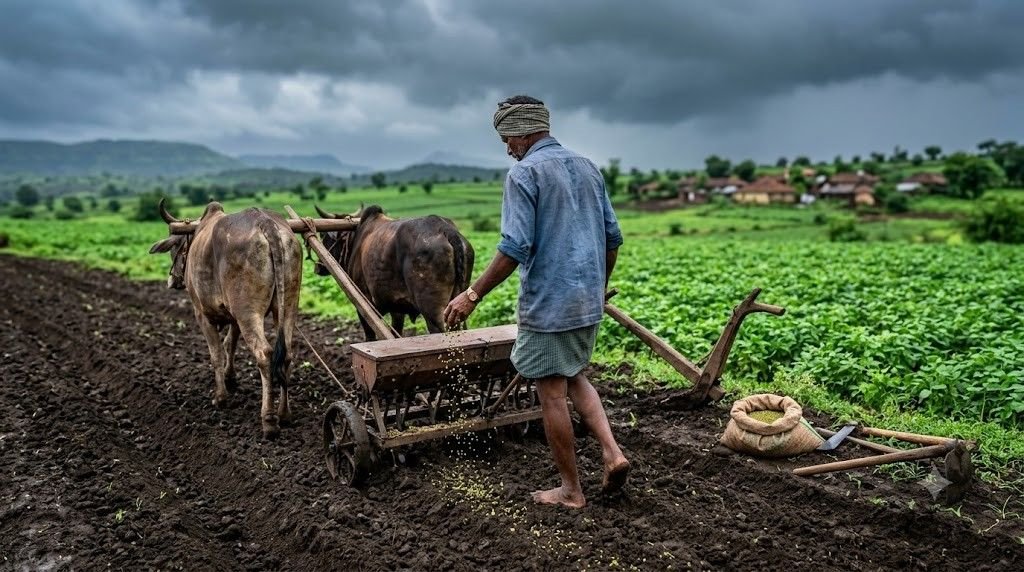
Best Time to Sow Moong Seeds in India
Best Time to Sow Moong Seeds in India
1. Introduction to Moong Cultivation in India
Moong is also called green gram. It is a small bean that many farmers grow in India. Farmers grow moong almost everywhere, from the flat lands near the Ganges river to the dry areas of Rajasthan. People like this plant because it grows fast and does not need much water. Farmers also like it because it makes the soil healthier. But moong needs to be planted at just the right time. If farmers plant it too early, sudden rain before the monsoon can hurt the young plants. If they plant it too late, too much wetness in the air can cause plant diseases. Knowing the best time to plant moong helps farmers grow a strong and healthy crop and increase their Moong Farming Profit Per Acre in India. Before sowing, farmers should also understand the correct Moong Seed Rate Per Acre.
2. Understanding the Moong Crop Cycle
Growth Duration and Harvest Window
Moong beans grow very fast! Most types are ready to pick in just sixty to seventy days. That is much quicker than crops like wheat or rice. Because moong grows so fast, farmers can plant it in the small gap between two big farming seasons. This helps them earn extra money from the same field. But since moong grows quickly, even a tiny mistake in planting time can cause big problems. If farmers plant too early or too late, the harvest might happen during bad weather. Picking the right planting day is very important for a good crop.
Climatic Requirements for Optimal Yield
Moong beans love warm weather, between 25 and 35 degrees Celsius. They hate sitting in wet, soggy soil and grow best in soil that drains water easily. Too much water when the plant is flowering can make it sick with diseases like anthracnose. But if the soil stays dry for too long, the pods will not grow well either. Farmers must plant moong at just the right time. That is why farmers plant moong seeds based on when the rains usually start in their area.
3. Regional Sowing Calendar for Moong
India is a very big country, so farmers cannot all plant their seeds on the same day. The monsoon rains do not arrive everywhere at once. Rain reaches the south first, then slowly moves north. Because of this, farmers in different areas must wait for their own rains. The weather also changes from place to place. Some regions are hot, and some are cool, so crops grow differently there. The soil is not the same everywhere either. Some soil is sandy, some is rich and dark, and some holds water well. Farmers look at the rain, the weather, and the soil before they plant. This helps them choose the best time to sow their seeds. Every farmer follows the pattern that suits their own land.
|
Region |
Best Sowing Time |
|
North India |
Late June–Mid July |
|
Central India |
Mid June–Early July |
|
Western India |
Mid June–July |
|
South India |
June–July & Oct–Nov |
|
Eastern India |
June–Early July |
|
Summer Crop |
March–April |
North Indian Sowing Schedule
Farmers in North India plant a crop called moong beans. They do this from late June to mid-July. This time is special because the monsoon rains arrive then. The rain gives water to the young plants, which they need to grow well. Places like Punjab, Haryana, and western Uttar Pradesh follow this same planting time every year.
Central Indian Sowing Schedule
Central India has two states called Madhya Pradesh and Chhattisgarh. Farmers here start planting their crops a little earlier than other places. They begin sowing seeds from mid-June to early July. This happens because the rain comes early in this region. The soil here is also very good for early planting. Because of these reasons, farmers can start their farming work sooner than usual.
Western Indian Sowing Schedule
In Western India, places like Gujarat, Maharashtra, and Rajasthan grow crops in a special way. Farmers plant their seeds from mid-June to July every year. This is just before the rainy season, called the monsoon, begins. But farmers have to be very careful during this time. Sometimes strong dust storms blow in before the rains actually arrive. These dust storms can dry up the tiny seeds very fast. Dry seeds cannot grow into healthy plants properly. So farmers watch the sky closely and stay alert. They protect young seeds from sudden dry, dusty winds. This care helps their crops grow strong and healthy later.
South Indian Sowing Schedule
South India has two special farming seasons because of its rainfall. Farmers plant their first crop, called kharif, in June and July. This is when the southwest monsoon brings heavy rain to fields. Farmers plant again in October and November for a second crop. This time they use rain from the retreating northeast monsoon. It is called "retreating" because the monsoon slowly moves away then. Two planting seasons help farmers grow more food every single year. South India gets rain from two different wind systems each year. This makes its farming calendar different from most parts of India.
Eastern Indian Sowing Schedule
Eastern India has three states: West Bengal, Bihar, and Odisha. These states follow the same farming time as central India. Farmers here also sow their seeds from June to early July. This region gets a lot of rain during these months. Good rain helps seeds grow well and strong. But farmers must plant seeds at the right time. If timing is correct, the rain helps young plants grow into healthy crops.
4. Summer Moong: The Zaid Season Opportunity
Farmers in India usually grow crops during two main seasons. One season depends on monsoon rains for water. But some farmers have canals or wells for water. These farmers can grow an extra crop called summer moong. Summer moong is a small green bean crop. Farmers plant it between March and April every year. It does not need rain because it uses irrigation water. This crop grows between two big farming seasons. First comes the rabi harvest in early summer. Then comes the kharif sowing when monsoon rains begin. Summer moong fits nicely in that small gap. It helps farmers earn extra money from their land. The same field gives three harvests in one year instead of two. This makes farming more profitable for those with good water access.
5. Kharif Moong: The Monsoon Advantage
Kharif moong is grown when the monsoon rains begin. This is the most common way farmers grow moong across the country. This method uses natural rain, so farmers don't need much extra water. But rain can be unpredictable, and that creates some risk. If the monsoon comes late, the seeds may not grow well. This is called poor germination, and it can hurt the crop. Because of this, farmers need to stay flexible and watchful. They should choose sowing dates based on real rainfall, not just the calendar. Adjusting to actual weather helps farmers protect their crop and get better results.
6. Soil Preparation Before Sowing
Before we plant moong seeds, we must first get the soil ready. We plough the field well to make the soil soft and loose. This helps the roots grow easily without any problem. We add old, well-rotted cow dung to make the soil rich. This also helps the soil hold water better for the plants. We make the field flat and even on all sides. This stops water from collecting and damaging the young plants. Moong plants do not like too much water around their roots. We also treat the seeds with a special culture called rhizobium. This helps the plant take nitrogen from the air into the soil. With this good start, the young moong plants grow strong and healthy.
7. Role of Rainfall and Monsoon Patterns
Rain timing matters a lot for how well moong grows. The India Meteorological Department gives weather forecasts to help farmers. These forecasts are very useful for farmers today. Farmers should plant seeds right after the first big rain falls. This works better than planting on a fixed date every year. If farmers plant too early, the dry soil can hurt the seeds. If farmers plant too late, wet soil can make seeds rot. This is why timing must be just right, not too early or late. So calendar dates are only rough guides for farmers to use. They are not strict rules that must always be followed.
8. Common Mistakes Farmers Make While Timing Sowing
Many farmers make mistakes when it is time to plant moong beans. Some farmers plant seeds just because their neighbors started planting. They do not check if their own field has enough moisture first. Other farmers forget that different fields can be very different. One field may drain water well, but another field may not. Many farmers also forget to check how warm the soil is. Moong seeds do not grow well when the soil is too cold. Some farmers do not look at the weather forecast before planting. This mistake can cause them to lose their whole crop. The best farmers stay alert and watch their fields closely. They change their plans instead of doing the same thing always.
9. Tips for Maximizing Moong Yield
Growing a good moong crop needs more than just planting at the right time. First, farmers should pick strong seeds that fight disease well. These seeds should also match the local weather and soil type. Next, plants need enough space so they can grow freely. Too many plants close together can cause fungus problems. Farmers should also remove weeds during the first three weeks. This stops weeds from taking food meant for the crop. Adding phosphorus fertilizer early helps the roots grow strong. Strong roots help the whole plant grow better later. Lastly, farmers must watch for small pests called pod borers. Using safe pest control methods protects the pods from damage. Following all these steps helps farmers get a healthy harvest.
10. Conclusion: Aligning Tradition with Technology
Farmers use old calendars to know when to plant moong beans. These calendars come from years of watching the land and sky. But today's farmers also have new tools to help them. They can check rain reports and weather forecasts easily now. Mixing old farming wisdom with new weather science works best. This way, farmers get strong and healthy moong crops every year. Farmers should always look at real weather, not just old dates. This helps them respect old knowledge and use new science too. Together, both ideas help farmers grow better crops each season.
Choosing the best sowing time is only one part of successful moong cultivation. To maximize your harvest, also learn the correct Moong Seed Rate Per Acre and calculate your expected Moong Farming Profit Per Acre in India before planting.
Finally, selecting premium-quality seeds can make a significant difference in crop establishment and yield. Explore AR Super Gold Moong Seed and AR Green Gold Moong Seed to choose the right variety for your farming needs.
Frequently Asked Questions
1. Which month is best for sowing moong seeds in India?
The best time to sow moong seeds is June to July during the Kharif season, depending on the arrival of the monsoon in your region. In irrigated areas, summer sowing is also common.
2. Can moong be grown in summer?
Yes. Summer moong can be successfully grown in irrigated fields and is usually sown between March and April.
3. What is the ideal temperature for moong seed germination?
Moong seeds germinate best at temperatures between 25°C and 35°C, which support quick and healthy seedling growth.
4. How many days does moong take to mature?
Most improved moong varieties mature within 60 to 70 days, although some may take up to 75 days depending on the variety and growing conditions.
5. Does delayed sowing affect moong yield?
Yes. Delayed sowing can reduce germination, expose the crop to pests and diseases, shorten the growing period, and ultimately lower the yield. Timely sowing is essential for achieving the best results.
.

Leave a comment


Comments(0)