
Blog
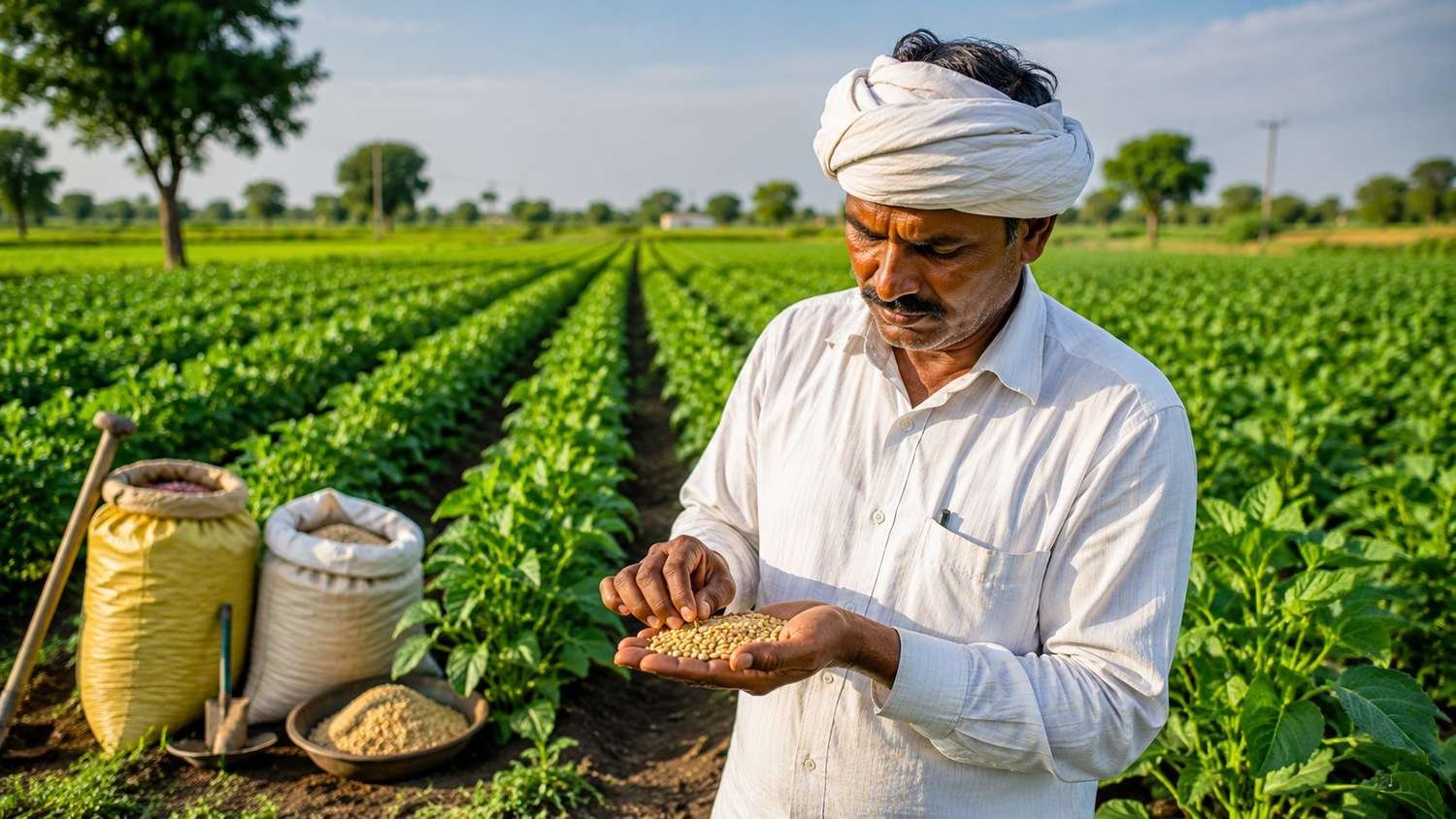
Top 5 Seed Selection Tips Every Farmer Should Know
Farming success starts with choosing the right seeds. Seeds are crucial for crop production, impacting germination, growth, disease resistance, and yield. Poor-quality seeds can reduce crop yield and profits.
Choosing the right seeds is crucial for healthy crops and higher yields. Farmers who choose quality seeds tend to see better crop performance and lower risks. This article shares five simple seed selection tips to improve crop yield and profits.
Why Seed Selection Matters
Seeds carry the genetic potential of a crop. Quality seeds promote strong growth, uniform crops, and improved stress resistance. Poor-quality seeds lead to weak germination, uneven crops, and greater pest and disease risk.
Benefits of selecting quality seeds include:
- Higher germination rates
- Improved crop yield
- Better disease resistance
- Uniform crop growth
- Reduced input costs
- Greater profitability
By following the right seed selection practices, farmers can create a strong foundation for a successful harvest.
1. Choose Certified and High-Quality Seeds
One of the most important seed selection tips is to purchase certified seeds from trusted suppliers. Certified seeds are tested for purity and quality before reaching farmers.
Benefits of Certified Seeds
- Higher genetic purity
- Better germination percentage
- Reduced risk of contamination
- Improved crop performance
- Greater resistance to pests and diseases
Check the certification label to ensure seeds meet quality standards.
What to Check on Seed Packaging
Before purchasing seeds, verify:
- Germination percentage
- Seed purity percentage
- Batch number
- Packing date
- Expiry date
- Variety name
- Certification mark
Avoid purchasing seeds from unknown sources, as they may not meet quality standards.
2. Select Seeds Suitable for Local Climate and Soil Conditions
Different crops and varieties perform differently under various environmental conditions. Selecting seeds suited to local climate and soil boosts crop performance.
Climate Considerations
Farmers should consider:
- Temperature requirements
- Rainfall patterns
- Humidity levels
- Seasonal variations
Drought-tolerant varieties suit dry areas, while flood-tolerant ones excel in wet regions.
Soil Considerations
Soil characteristics influence crop growth and productivity.
Important factors include:
- Soil type
- Soil fertility
- Soil pH
- Drainage capacity
- Organic matter content
Choosing region-recommended varieties boosts crop success and lowers farming risks.
3. Check Germination Rate and Seed Vigour
Seed germination refers to the ability of a seed to sprout and develop into a healthy seedling. High germination rates are essential for establishing a strong crop stand.
Why Germination Rate Matters
Seeds with high germination percentages provide:
- Better plant population
- Uniform crop growth
- Reduced need for replanting
- Improved productivity
Most quality seed packets display the germination percentage. Farmers should prefer seeds with high germination rates according to crop standards.
Simple Germination Test at Home
Farmers can conduct a basic germination test before sowing:
- Take 100 seeds.
- Place them on a moist cloth or paper towel.
- Keep them in a warm place.
- Observe germination for several days.
- Count the number of seeds that sprout.
If 85–90 seeds germinate out of 100, the seed lot generally has a good germination rate.
Importance of Seed Vigour
Seed vigour refers to the strength and energy of seeds during germination and early growth.
High-vigour seeds provide:
- Faster emergence
- Strong root development
- Better stress tolerance
- Improved crop establishment
Choosing vigorous seeds helps crops withstand challenging environmental conditions.
4. Select Disease-Resistant and Pest-Resistant Varieties
Crop losses due to diseases and pests can significantly affect farm profitability. One effective way to reduce these risks is to choose resistant seed varieties.
Benefits of Resistant Varieties
Disease-resistant seeds help:
- Minimize crop losses
- Reduce pesticide use
- Lower production costs
- Improve crop quality
Pest-resistant varieties protect crops from insect attacks and boost productivity.
Common Resistance Traits
Depending on the crop, farmers should look for resistance to:
- Fungal diseases
- Bacterial infections
- Viral diseases
- Nematodes
- Major insect pests
Agricultural extension officers and seed companies provide info on region-specific resistant varieties.
Long-Term Advantages
Resistant varieties promote sustainable agriculture by lessening chemical pesticide use.
5. Consider Yield Potential and Market Demand
While selecting seeds, farmers should evaluate both yield potential and market opportunities.
Yield Potential
High-yielding varieties can increase production and improve farm income. However, yield potential should be considered alongside local growing conditions.
A seed variety may not perform the same in every region.
Market Demand
Farmers should understand current market trends before selecting seed varieties.
Factors to consider include:
- Consumer preferences
- Local market demand
- Processing industry requirements
- Export opportunities
- Price trends
Growing crops with strong market demand can improve profitability and reduce marketing challenges.
Balancing Yield and Quality
The highest-yielding variety is not always the most profitable. Quality traits such as grain size, color, taste, and shelf life may influence market prices.
Farmers should select varieties that offer both good yield and strong market acceptance.
Additional Seed Selection Tips
Besides the top five tips, farmers should keep the following recommendations in mind:
Buy Seeds from Reputable Suppliers
Always purchase seeds from trusted dealers, agricultural cooperatives, or recognized seed companies.
Avoid Damaged Seeds
Do not use seeds that are:
- Broken
- Shriveled
- Discolored
- Moldy
- Insect-damaged
Healthy seeds have a better chance of producing vigorous plants.
Store Seeds Properly
Proper storage helps maintain seed quality.
Store seeds in:
- Cool environments
- Dry locations
- Airtight containers
- Pest-free storage areas
Poor storage conditions can reduce germination and seed vigour.
Follow Recommended Seed Treatment
Seed treatment protects seeds from soil-borne diseases and pests during the early growth stages.
Consult agricultural experts regarding suitable seed treatment methods for your crop.
Common Mistakes Farmers Should Avoid
Many farmers unknowingly make seed selection mistakes that affect crop performance.
Purchasing Cheap, Unverified Seeds
Low-cost seeds may appear attractive but can lead to poor germination and lower yields.
Ignoring Local Recommendations
Varieties not adapted to local conditions often perform poorly.
Using Old Seeds
Older seeds may have reduced germination rates and vigour.
Focusing Only on Yield
Farmers should consider yield, disease resistance, and market demand when selecting seeds.
Not Testing Seed Quality
Conducting simple quality checks before planting can prevent costly mistakes.
Conclusion
Seed selection is one of the most important decisions farmers make each season. Quality seeds improve germination, yields, disease resistance, and farm profitability.
To achieve the best results, farmers should:
- Choose certified and high-quality seeds.
- Select varieties suitable for local climate and soil conditions.
- Check germination rate and seed vigour.
- Prefer disease-resistant and pest-resistant varieties.
- Consider yield potential and market demand.
Following these seed selection tips ensures successful crop production and sustainability.
FAQs
1. Why is seed selection important in farming?
Seed selection affects germination, crop growth, disease resistance, and final yield.
2. What are certified seeds?
Certified seeds are tested and approved for quality, purity, and germination standards.
3. How can farmers check seed quality?
Farmers can evaluate seed appearance, certification details, and conduct a simple germination test.
4. Why should farmers choose disease-resistant varieties?
Disease-resistant varieties reduce crop losses, lower pesticide use, and improve productivity.
5. How does seed quality affect crop yield?
High-quality seeds produce healthy plants, better crop establishment, and higher yields.

Leave a comment


Comments(0)