
Blog
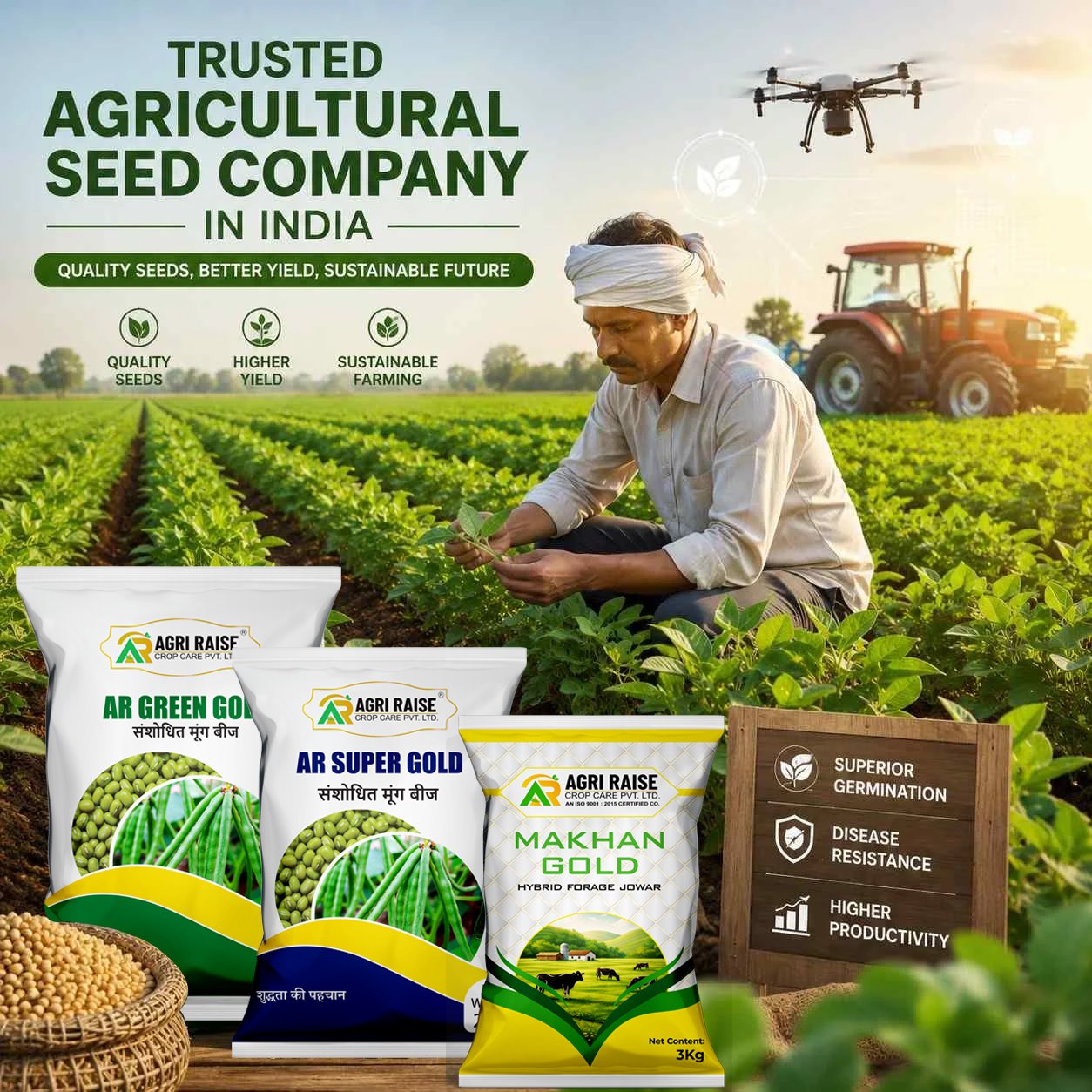
Trusted Agricultural Seed Company in India
Introduction
Agriculture supports economies, with crop productivity essential for food security and farmer profitability. Seed quality is a key factor in agricultural success. Seeds are essential for crop production, affecting germination, growth, disease resistance, and yield. Certified seeds are popular in modern agriculture for their quality and reliability. Farmers using certified seeds typically see better crop performance, quality, and returns. Certified seeds offer a sustainable farming solution against climate change, pests, and diseases.
This article explores the benefits of certified seeds in enhancing crop yield.
What Are Certified Seeds?
Certified seeds are produced and tested under strict quality standards. Seeds are rigorously inspected for purity and high germination rates. Certified seeds are scientifically developed and closely monitored, unlike ordinary saved seeds. Certification guarantees that the seeds meet specific standards related to:
- Genetic purity
- Physical purity
- Germination percentage
- Moisture content
- Freedom from seed-borne diseases
- Proper labelling and packaging
Certified seeds are tagged by authorized agencies, helping farmers identify genuine products. The certification process guarantees farmers reliable seeds.
Benefits of Certified Seeds
1. Higher Germination Rates
Certified seeds have a high germination rate. These seeds are tested to ensure high sprouting and healthy growth. Higher germination rates ensure uniform crops, reducing replanting and optimizing land use.
2. Improved Genetic Purity
Certified seeds ensure high genetic purity and consistent crop performance. Farmers can expect consistent plant growth, maturity, and yield performance. Genetic purity is crucial for crops' disease resistance, drought tolerance, and grain quality.
3. Better Resistance to Diseases and Pests
Many certified seed varieties have enhanced resistance to pests and diseases. This resistance reduces crop losses and pesticide use. Healthy crops boost productivity and support sustainable farming.
4. Enhanced Crop Uniformity
Uniform crop growth is essential for efficient farm management. Certified seeds produce uniform plants, improving irrigation, fertilization, pest management, and harvesting.. Uniform maturity enables farmers to harvest crops optimally, boosting quality and market value.
5. Increased Yield Potential
Certified seeds are specifically bred and selected for high productivity. They have genetic traits that boost yields in optimal conditions.
Certified seeds boost field productivity and farm profitability.
6. Better Adaptability to Local Conditions
Certified seed varieties are often developed for specific climatic and soil conditions. This adaptability allows crops to thrive in local conditions and resist environmental stresses.
Certified varieties can stabilize production amid drought, heavy rain, or temperature changes.
7. Reduced Risk of Crop Failure
Poor-quality seeds cause uneven germination and weak, vulnerable plants. Certified seeds reduce these risks by providing reliable and tested planting material. Farmers gain confidence in crop establishment and production..
Impact on Crop Yield
Crop yield is influenced by factors like soil fertility, irrigation, weather, and management. However, even with ideal growing conditions, poor-quality seeds can significantly limit productivity.
Certified seeds contribute to higher crop yields through several mechanisms:
Strong Plant Establishment
Healthy seedlings establish quickly and develop strong root systems. Strong plant establishment enables crops to use water and nutrients more efficiently.
Efficient Resource Utilization
Certified seed varieties are often bred for improved nutrient uptake and water-use efficiency. These traits enable plants to convert resources into biomass and grain more effectively.
Improved Stress Tolerance
Modern certified varieties often have better tolerance to drought, heat, and disease. This resilience enables crops to maintain productivity even under challenging conditions.
Consistent Performance
Certified seeds ensure genetic purity and quality, leading to predictable crop performance.. Consistent growth and development lead to reliable yield outcomes and reduced production uncertainty.
Higher Marketable Produce
Certified seeds boost yield and enhance product quality. Better grain size, color, uniformity, and appearance increase market acceptance and profitability. Studies show certified seeds yield more than uncertified ones.. The yield advantage varies by crop and management practices but often ranges from 10% to 30% or more.
Economic Benefits of Certified Seeds for Farmers
Certified seeds boost crop productivity and provide economic benefits to farmers. Agriculture involves both crop production and ensuring profitability and sustainability. Certified seeds boost farmers' returns by improving produce quality and quantity.
One of the major economic advantages of certified seeds is reduced production risk. Strict quality testing boosts farmers' confidence in germination rates and crop establishment. This reduces the chances of re-sowing, which can increase labor and input costs.
Certified seeds also contribute to higher market value. Crops grown from quality seeds often have better appearance, uniformity, and overall quality. Buyers prefer uniform produce for easier grading, packaging, and marketing.. As a result, farmers may receive better prices for their harvest.
Certified seeds help farmers spend less on pest and disease management. Many improved seed varieties possess built-in resistance to common diseases and pests. This helps farmers cut pesticide use, saving costs and reducing environmental impact.
For commercial farming operations, consistent crop performance is essential. Certified seeds ensure reliable results, aiding farmers in planning production and finances. Certified seeds enhance farm profitability due to their predictability.
Role of Certified Seeds in Sustainable Agriculture
Sustainable agriculture meets current food needs and preserves resources for the future. Certified seeds play an important role in supporting sustainable farming practices.
Modern certified seed varieties efficiently utilize water and nutrients. This helps farmers produce more food while conserving valuable natural resources. Efficiency is crucial in regions with water scarcity or poor soil fertility.
Certified seeds can also contribute to reduced chemical use. Disease-resistant varieties require fewer pesticide applications, lowering environmental pollution and reducing production costs. This supports healthier ecosystems and safer working conditions for farmers.
Another important contribution is climate resilience. Climate change has increased the frequency of droughts, floods, and extreme weather events. Certified seeds help farmers grow better crops even in challenging environmental conditions.
Certified seeds and good practices enhance productivity and protect soil health. Balancing productivity and environmental responsibility is essential for agriculture's future.
Future of Certified Seeds in Modern Farming
The agricultural sector continues to evolve with advancements in science and technology. Seed research programs aim to develop high-yield, disease-resistant, and climate-adaptive varieties.. These advancements help farmers achieve more productive and sustainable farming outcomes.
Biotechnology and advanced breeding are producing better-performing seeds for diverse conditions. These innovations are vital for meeting the food demands of a growing population.
More farmers are recognizing the value of investing in certified seeds. Governments and seed companies promote certified seeds via training and awareness campaigns.
Innovation and certified seeds are important for better farming and sustainable growth. Farmers adopting quality seed technology will be better equipped for future competition.
How Farmers Can Select Quality Seeds
Choosing the right seeds is essential for achieving successful crop production. Farmers should consider several factors when selecting certified seeds.
Purchase from Trusted Sources
Always buy seeds from authorized dealers, reputable seed companies, or certified distributors. Reliable suppliers ensure that farmers receive genuine products with proper certification labels.
Check Certification Tags
Certified seeds need tags with variety, germination percentage, lot number, and certification status.
Farmers should carefully inspect packaging and labels before making a purchase.
Select Suitable Varieties
Different crop varieties perform differently depending on local environmental conditions. Farmers should choose varieties recommended for their region, climate, and soil type.
Consulting agricultural experts and extension services can help identify suitable options.
Verify Germination Information
Seed packaging usually includes germination test results. Higher germination rates indicate better seed quality and greater crop establishment potential.
Inspect Physical Quality
Quality seeds should be:
- Uniform in size
- Clean and free from debris
- Free from insect damage
- Free from fungal infection
- Properly dried and stored
Poor physical quality may negatively affect germination and crop performance.
Consider Disease Resistance
Choosing disease-resistant varieties can lower crop losses and production costs.
Farmers should stay informed about emerging pest and disease challenges in their region.
Evaluate Company Reputation
Established seed companies invest heavily in research, quality control, and product development. Choosing seeds from reputable companies increases the likelihood of achieving satisfactory results.
Conclusion
Certified seeds are essential in agriculture for high-quality planting material. Their genetic purity and adaptability boost crop yields.Investing in certified seeds boosts productivity and profitability in modern farming. Certified seeds from trusted sources improve crop quality and sustainability for farmers. Successful farming depends on proven practices, especially certified seeds for higher yields.
To achieve better crop yields and sustainable farming success, farmers should choose quality seeds from trusted suppliers. Explore the complete range of agricultural seed solutions at Agri Raise.
FAQs
Which seed company is best in India?
The best seed company depends on crop requirements, region, and farming objectives. Farmers should choose companies known for quality, certification, research, and farmer support.
What are the big four seed companies?
Globally recognized seed companies include major agricultural firms known for extensive seed research, innovation, and distribution networks.
Who is the biggest seed company?
The largest seed companies are those with significant global market presence, strong research capabilities, and extensive seed portfolios.
Which seeds are fast growing in India?
Fast-growing crops often include maize, certain vegetable crops, leafy greens, and some pulse varieties, depending on climate and growing conditions.
How to check seed purity?
Farmers can verify certification labels, inspect physical seed quality, review purity percentages, and conduct germination tests before planting.
Which seed is genetically most pure?
Certified foundation and breeder seeds generally maintain the highest levels of genetic purity due to strict quality control measures during production.

Leave a comment


Comments(0)