
Blog
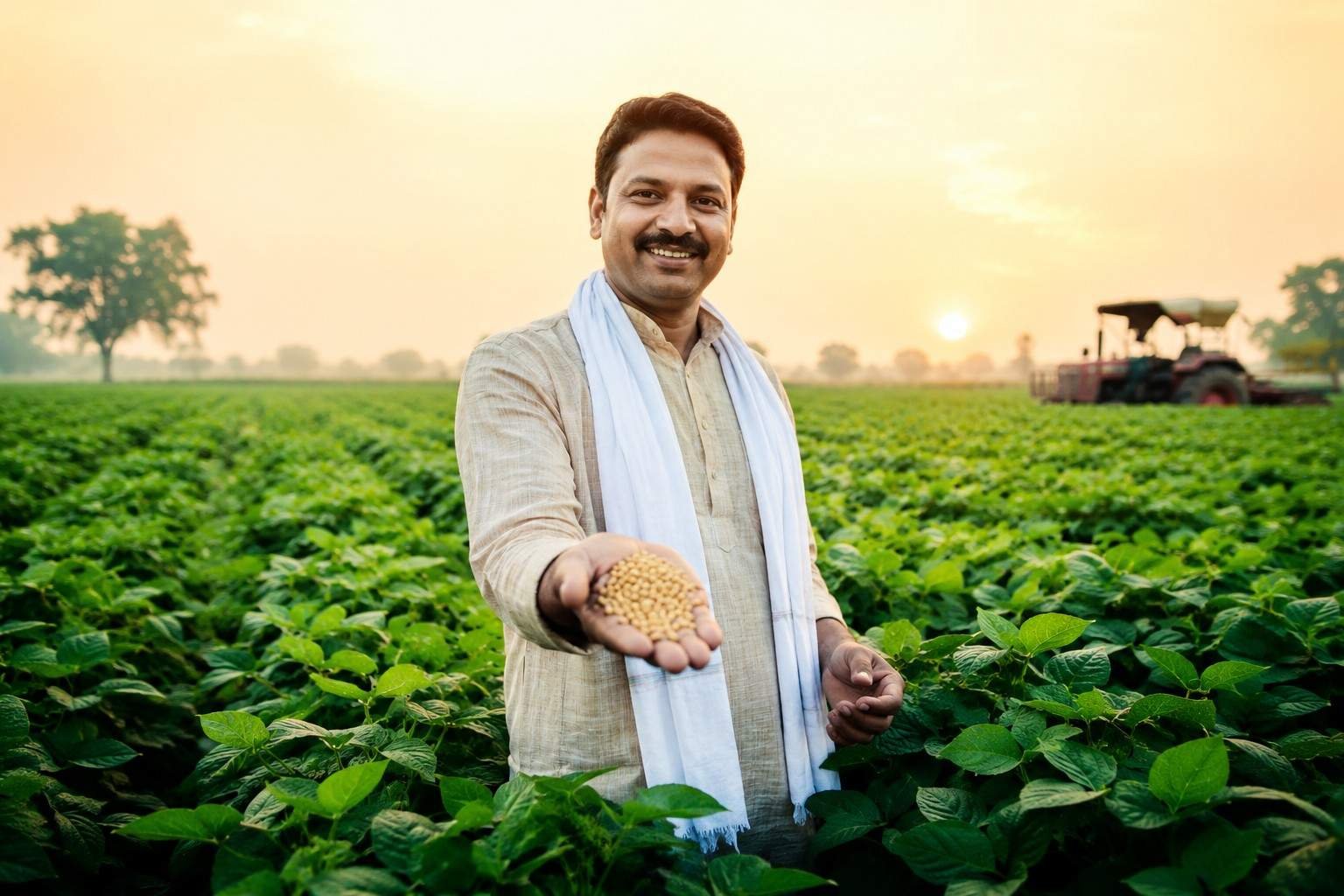
Better Harvest Starts with Better Seeds: The Key to Higher Crop Yields
Agriculture doesn't begin with rain or with tractors in the field. It really begins with one important choice: picking the right seed. Every crop needs good seeds to grow well and strong. This is true for wheat, mustard, moong, bajra, guar, and maize. Farmers can use the best fertilizer and water their crops well. But if the seeds are weak, the crop will still suffer. That's why experts call seed the most important part of farming.
Good seeds help crops grow strong and healthy. The FAO says quality seeds lower the risk of crop failure. They also help farmers earn more money from their fields. Certified seeds are checked to make sure they are pure. The OECD Seed Schemes ensure these seeds meet high standards. This helps farmers grow better crops every season. It also helps keep food supplies safe around the world.
Modern farmers know that good seeds are very important. Buying quality seeds is not just another farm cost. It is an investment in the future harvest. Better seeds grow into healthier and stronger plants. They build strong roots that support the whole plant. Good seeds also resist heat, cold, and other stress. They help farmers get more crops to sell. This is true for small farms and big farms alike. Every good harvest starts with choosing the right seed.
Why Seed Quality Matters
Many farmers spend a lot of money on fertilizers and pesticides. They also invest in irrigation systems and big farm machinery. These things are helpful, but they are not the most important. None of them can fix the problem of bad seeds. A seed holds all the genetic power of the crop. If the seed is weak, the whole plant will be weak too. Then, all the other investments won't work as well as they should.
Good seeds grow fast and grow all at the same time. This helps make a crop that grows evenly together. When plants grow evenly, farmers can water them more easily. It also becomes easier to add fertilizer and remove weeds. Harvesting the crop becomes simpler and faster too. Even crops also produce better quality grains for farmers. These good grains sell for a better price in the market.
Scientists say good seeds are very important for farming. Quality seeds help crops grow stronger and healthier. They also help plants survive tough weather better. Good seeds lead to bigger and better harvests. Farmers also save money by using quality seeds. This is because good seeds sprout well the first time. Poor seeds often fail to grow properly. This forces farmers to plant their crops again. Replanting costs extra time, money, and effort. So choosing good seeds is a smart choice.
Understanding High-Quality Seeds
Not every seed in the market works the same way. Some seeds grow better than others. Good seeds go through many careful steps first. Farmers do not get seeds right away. Seeds are produced, cleaned, and tested with care. Workers check the seeds before selling them. They make sure the seeds are pure and clean. They also check how well the seeds can grow. Moisture levels in the seeds are checked too. Lastly, they confirm the seed's genetic identity is correct.
A premium-quality seed generally possesses:
Good seeds have high germination, so more plants grow well. They have genetic purity, which means all plants grow the same way. They also have physical purity, with fewer weeds and unwanted seeds. Good seeds are disease-free, so fewer crops get damaged. They also have high vigor, so plants grow strong in the field.
Certified seeds go through careful checks before they reach farmers. Experts inspect and test them to make sure they are good. Groups like the OECD Seed Schemes set rules for seed quality. National agencies also help check and approve seeds in each country. These rules make sure seeds grow into the right plant type. This process is called seed certification, and it protects farmers. Because of these checks, farmers can trust the seeds they buy. They know the seeds will grow well and give good crops.
Certified Seeds vs. Farm-Saved Seeds
Many farmers use seeds saved from their last harvest. This helps them save money in the short term. But saved seeds often cause problems as time passes. The seeds slowly lose their special genetic qualities. This makes fewer seeds sprout and grow well. It also makes plants more likely to catch diseases. Over time, farmers get smaller harvests than before.
Certified seeds are tested carefully before farmers buy them. Farm-saved seeds are not checked, so their quality stays uncertain. Certified seeds grow well because most of them sprout easily. Farm-saved seeds often sprout unevenly, and some may not grow. Certified seeds fight off plant diseases much better. Farm-saved seeds get sick more easily and spread disease faster. Fields with certified seeds grow plants that look the same. Farm-saved seeds grow plants of different heights and sizes. Certified seeds give farmers a much bigger harvest. Farm-saved seeds usually give a smaller, weaker harvest.
Certified seeds help farmers maintain consistency from one season to another. They also reduce the chances of crop failure caused by poor-quality planting material.
Benefits of Using Certified Seeds
Using certified seeds helps crops in many ways. These seeds are checked for good quality and health. Good seeds grow faster than regular seeds. They also grow stronger roots in the soil. Strong roots help plants stay healthy and steady. Healthy plants grow better leaves and stems too. In the end, farmers get more grain from their crops. They also get more plant matter, called biomass. This makes certified seeds a smart choice for farmers.
Some of the most important benefits include:
- Higher germination percentage
- Uniform crop establishment
- Better resistance to diseases
- Improved tolerance to environmental stress
- Higher yield potential
- Better grain quality
- Greater market value
- Reduced need for re-sowing
Scientists have studied farming for many years now. They found that good seeds make a big difference. Certified seeds are seeds that are checked for quality. These seeds help crops grow stronger and healthier. Farmers who use good seeds often get better harvests. This means more food for families and communities. It also helps farming stay strong for the future. Good seeds are a key part of food security. They help the world grow enough food for everyone.
Factors to Consider Before Buying Seeds
Selecting the best seed is not only about choosing a popular variety. Farmers should evaluate several factors before purchasing.
Climate Compatibility
Every variety performs differently under different climatic conditions. Choose seeds specifically recommended for your region.
Soil Type
Some varieties perform better in sandy soils, while others thrive in clay or loamy soils. Matching seed variety with soil conditions improves productivity.
Maturity Period
Some crops grow fast and are ready to harvest quickly. These are called early-maturing varieties. They work well in dry places with little rain. Other crops take longer to grow and ripen. These are medium or late-maturing varieties. They need more water to grow properly. Farmers often use irrigation to give them enough water. When given enough water, these crops produce more food. So farmers choose the crop type based on their water supply.
Yield Potential
Every crop variety grows differently depending on the land and weather. Some varieties give more yield in dry areas. Others do better where there is more rain. Before choosing a variety, look at your own farm's conditions. Compare how each variety grows in similar soil and climate. This helps you pick the best variety for your field. It also helps you get a better harvest each season.
Resistance Traits
Choose varieties resistant to major diseases and pests common in your area.
Common Mistakes Farmers Should Avoid
Even excellent seeds cannot perform well if basic mistakes occur during planting.
Some common errors include:
- Purchasing seeds from unverified sellers
- Ignoring seed certification labels
- Planting untreated seeds
- Using expired seed stock
- Improper storage before sowing
- Incorrect sowing depth
- Excessive or insufficient seed rate
Avoiding these mistakes protects your investment and improves overall crop performance.
Modern Seed Technologies
Scientists keep working to make better seeds for farmers. These new seeds can grow crops even in changing weather. Some years bring too much rain or too little rain. Other years bring extreme heat or sudden cold spells. Better seeds help plants survive these tough conditions. They also help farmers grow more food than before. This research helps keep our food supply safe and strong.
Hybrid Seeds
Hybrid seeds combine desirable characteristics from different parent lines. They often provide:
- Higher yields
- Better disease resistance
- Improved uniformity
- Stronger plant vigor
Improved Varieties
Many farmers like to grow improved open-pollinated seeds. These seeds work well and give good crops each year. They can grow in many different types of farms. They also cost less money than other seeds. This makes them a smart choice for many farmers.
Scientists keep working on new plant varieties for farmers today. These new plants can survive long periods without much rain. They can also handle very hot weather during the growing season. Some varieties are made to resist harmful insects and pests too. This helps farmers grow healthy crops even in tough conditions. It also means farmers can keep working despite a changing climate.
Choosing a Trusted Seed Supplier
Selecting the right supplier is just as important as selecting the right variety. A reputable seed company provides quality assurance, technical guidance, and after-sales support.
Look for suppliers who offer:
- Certified seed production
- Proper labeling and packaging
- Germination testing
- Variety recommendations
- Agronomic guidance
- Strong customer support
Good seed companies work hard to make great seeds. They spend time and money on research. They also test the seeds carefully before selling them. They teach farmers how to use the seeds well. This helps every seed grow into a strong plant. Strong plants give farmers a better harvest in the end.
Conclusion
Every good farming season starts with one smart choice. Farmers must choose better seeds to grow strong crops. Quality seeds help plants grow healthy and strong. They also lead to bigger harvests and more profit. Water, fertilizers, and pest control are helpful too. But nothing works as well as pure, strong seeds. Farming today faces new problems like climate change. Pests are changing, and more food is needed.
This makes good seeds even more important than before. Farmers who choose good seeds get better harvests. They also face fewer risks and problems each year. This helps them earn steady profits over time. In the end, better harvests always begin with better seeds.
Looking for certified, hybrid, research, or fodder seeds? Explore AgriRaise's premium agricultural seed collection to choose the right seeds for better harvest and higher crop yields.
Frequently Asked Questions
1. Why are certified seeds better than ordinary seeds?
Certified seeds are carefully tested to make sure they are pure, healthy, and able to sprout well, which helps farmers grow stronger crops and get bigger harvests.
2. Can quality seeds increase crop yield?
Yes. High-quality seeds improve germination, crop establishment, disease resistance, and overall productivity.
3. How do I identify certified seeds?
Look for official certification tags, proper labeling, batch numbers, and quality information on the seed package.
4. Are hybrid seeds suitable for all farmers?
Hybrid seeds are ideal for farmers seeking maximum productivity, provided they follow recommended crop management practices.
5. What is the most important factor when purchasing seeds?
Choose seeds that are certified, region-specific, disease-resistant, and supplied by a trusted seed company.

Leave a comment


Comments(0)