
Blog
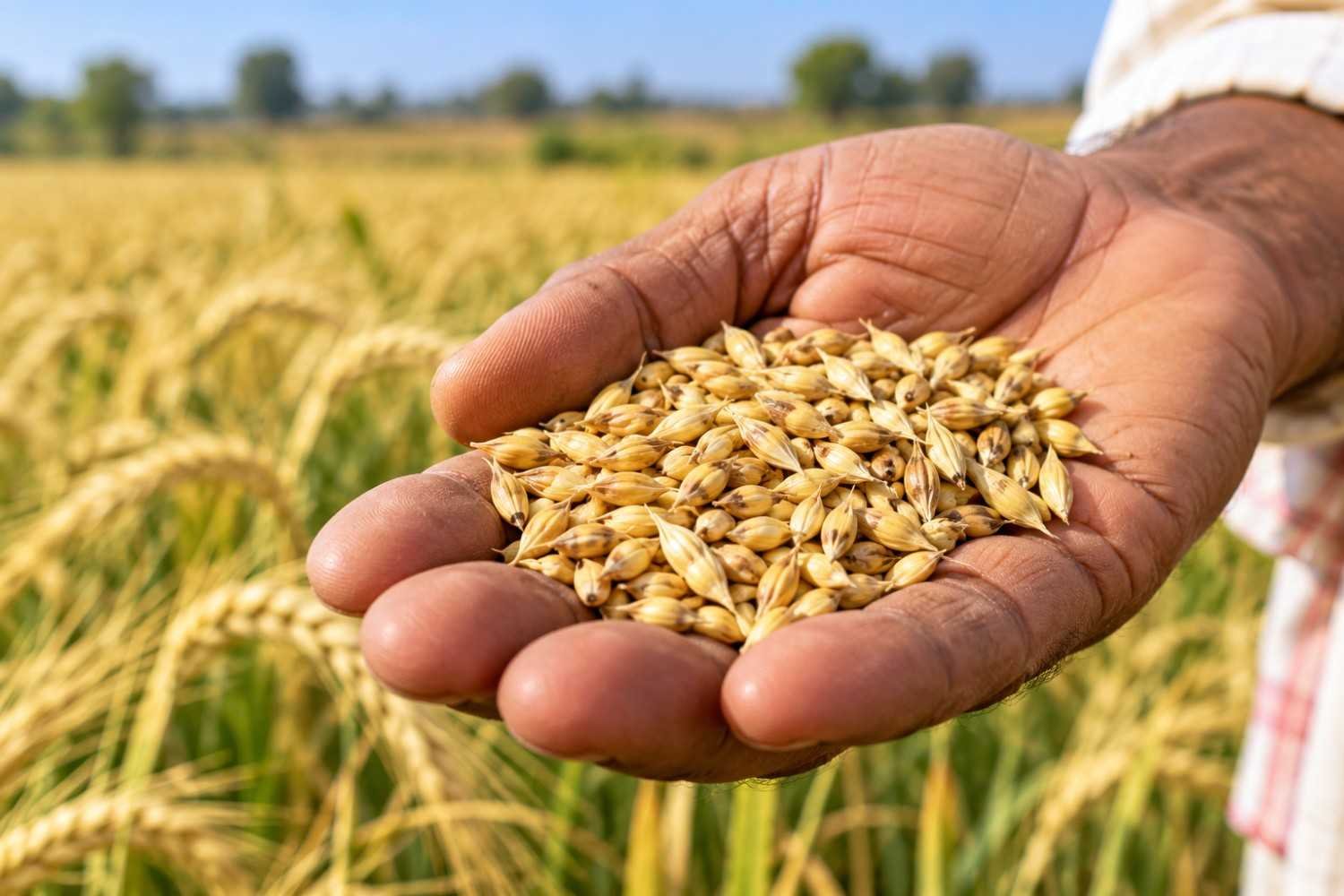
Best Barley Seeds for Farming in India: Matru Barley Seeds
Introduction
Choosing suitable barley seeds is an important step in planning a successful barley crop. Farmers need to consider the seed variety, sowing season, soil conditions, seed quality, and crop management practices before planting. Selecting seeds that match local agricultural conditions can help farmers establish a suitable crop stand and manage their fields more effectively.
Barley is a Rabi-season cereal crop cultivated in different parts of India. Its cultivation practices depend on the region, climate, irrigation facilities, soil conditions, and intended use of the crop. Before purchasing barley seeds for planting, farmers should review the product specifications and follow recommendations suited to their location.
Matru Barley Seeds, offered by Agri Raise Crop Care Pvt. Ltd., are listed as a research barley variety suitable for Rabi cultivation. The product information specifies a maturity period of 110–115 days and a seed rate of 35–40 kg per acre. The listed features include a strong crop stand, uniform ear-head formation, good grain quality, and reliable field performance.
This guide explains how to choose barley seeds for farming, reviews the available Matru product information, and covers important sowing and crop management considerations.
How to Choose the Right Barley Seeds for Farming
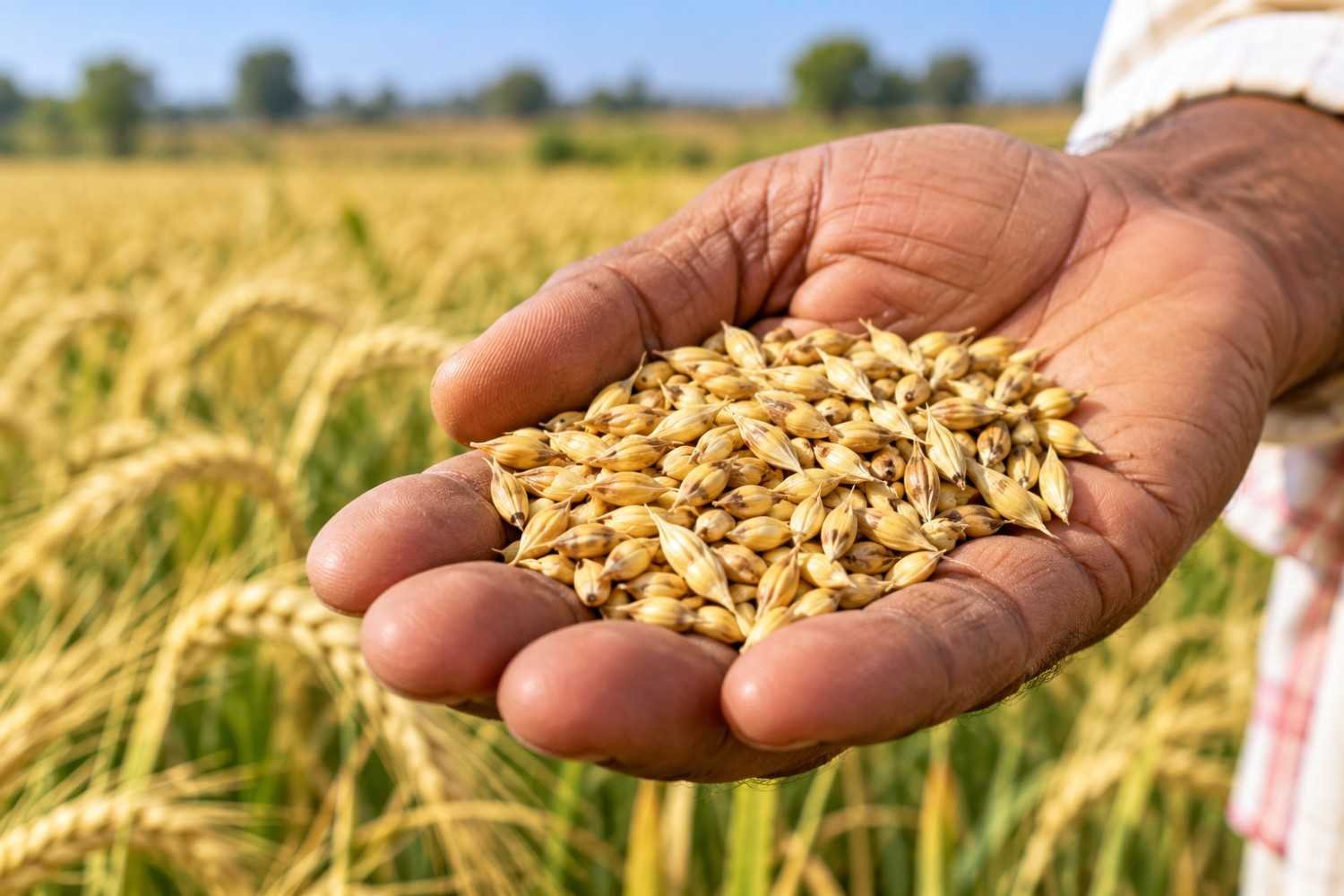
Selecting barley seeds requires more than comparing product names or prices. Farmers should understand the variety's characteristics and determine whether it suits their local growing conditions.
1. Check the Seed Class and Product Label
Before buying barley seeds, read the product label carefully. Check the crop name, variety or product name, seed class, lot details, packing information, and other applicable specifications.
Seed classification matters because research-variety seed and certified seed should not automatically be treated as interchangeable categories. A product's classification should be confirmed through its label and relevant documentation.
For example, Matru is listed by Agriraise as a research variety. The company's separate ARB-702 product is labelled as certified barley seed. These descriptions should be retained accurately when comparing the two products.
2. Consider the Growing Season
Barley is generally grown during the Rabi season in India. The appropriate sowing period varies by location, temperature, soil moisture, and local farming practices.
Farmers should consult local agricultural recommendations to determine the suitable sowing window. Planting at an appropriate time helps align crop development with regional weather conditions.
3. Review Maturity Information
The maturity period indicates the approximate time a crop takes to reach maturity under the stated growing conditions. It is useful when planning irrigation, field operations, and harvesting.
Matru Barley Seeds are listed with a maturity period of 110–115 days. Actual crop duration may vary with weather, sowing date, soil conditions, and crop management.
4. Check Seed Quality and Suitability
Farmers should purchase seeds from a reliable supplier and examine the packaging and relevant product documentation. Check that the package is intact and review the applicable lot, packing, and validity details.
Choose a product based on its documented characteristics and suitability for the intended growing conditions rather than relying on unverified claims about yield or performance.
Matru Research Barley Seeds by Agriraise
Matru Barley Seeds are offered by Agri Raise Crop Care Pvt. Ltd. for farmers considering barley cultivation during the Rabi season.
According to the product description, Matru is a research variety characterised by strong plant vigour, uniform ear-head formation, good grain quality, and reliable field performance.
Farmers should review the complete product information and consult local agricultural experts when determining whether Matru suits their particular farming conditions.
Key Features of Matru Barley Seeds
The available product information lists the following features:
- Crop: Barley
- Seed class: Research Variety
- Suitable season: Rabi
- Maturity period: 110–115 days
- Seed rate: 35–40 kg per acre
- Listed crop features: Strong crop stand, uniform ear-head formation, good grain quality, and reliable field performance
These specifications provide a starting point for evaluating the product. Farmers should confirm the current product label and follow applicable local recommendations before sowing.
A strong crop stand depends on several factors, including seed quality, soil preparation, moisture availability, sowing depth, weather, and subsequent crop management. Uniform ear-head formation and grain quality should also be understood as listed product characteristics, not a guarantee of a particular harvest result.
Explore the product: [Matru Barley Seeds – Add Matru Product URL]
Rabi Season and Crop Duration
Barley is commonly cultivated as a Rabi crop in India. Farmers generally plan sowing around the locally recommended season, taking account of temperature, irrigation availability, and the condition of the field.
Matru's listed maturity period is 110–115 days. This information can help farmers plan their crop calendar, but the actual number of days to maturity may vary depending on environmental and cultivation conditions.
Before sowing, farmers should:
- Check the recommended sowing window for their region.
- Prepare the field according to local agronomic practices.
- Ensure that soil moisture is suitable for planting.
- Plan irrigation and other field operations around crop development.
- Monitor crop growth and determine harvest timing from actual crop maturity.
Farmers should avoid assuming that every barley variety will have the same maturity period. Use the specifications provided for the selected product.
Seed Rate and Sowing Requirements
The listed seed rate for Matru Barley Seeds is 35–40 kg per acre.
This is the product-specific rate provided in the available Agriraise description. Farmers should verify the current product instructions and consult local agricultural recommendations to determine the appropriate quantity for their field and sowing method.
The quantity of seed required depends on the area being planted and the recommended seed rate.
For example, using the listed rate as a planning estimate:
- For 1 acre: 35–40 kg
- For 2 acres: 70–80 kg
- For 5 acres: 175–200 kg
These figures are simple calculations based on the stated product rate. They are not independent agronomic recommendations.
Farmers should also check sowing depth, row spacing, seed placement, and soil moisture according to locally recommended barley cultivation practices. Proper placement helps seeds establish under suitable conditions, while excessively deep or uneven sowing can affect emergence.
Barley Seed Rate per Acre and Sowing Method
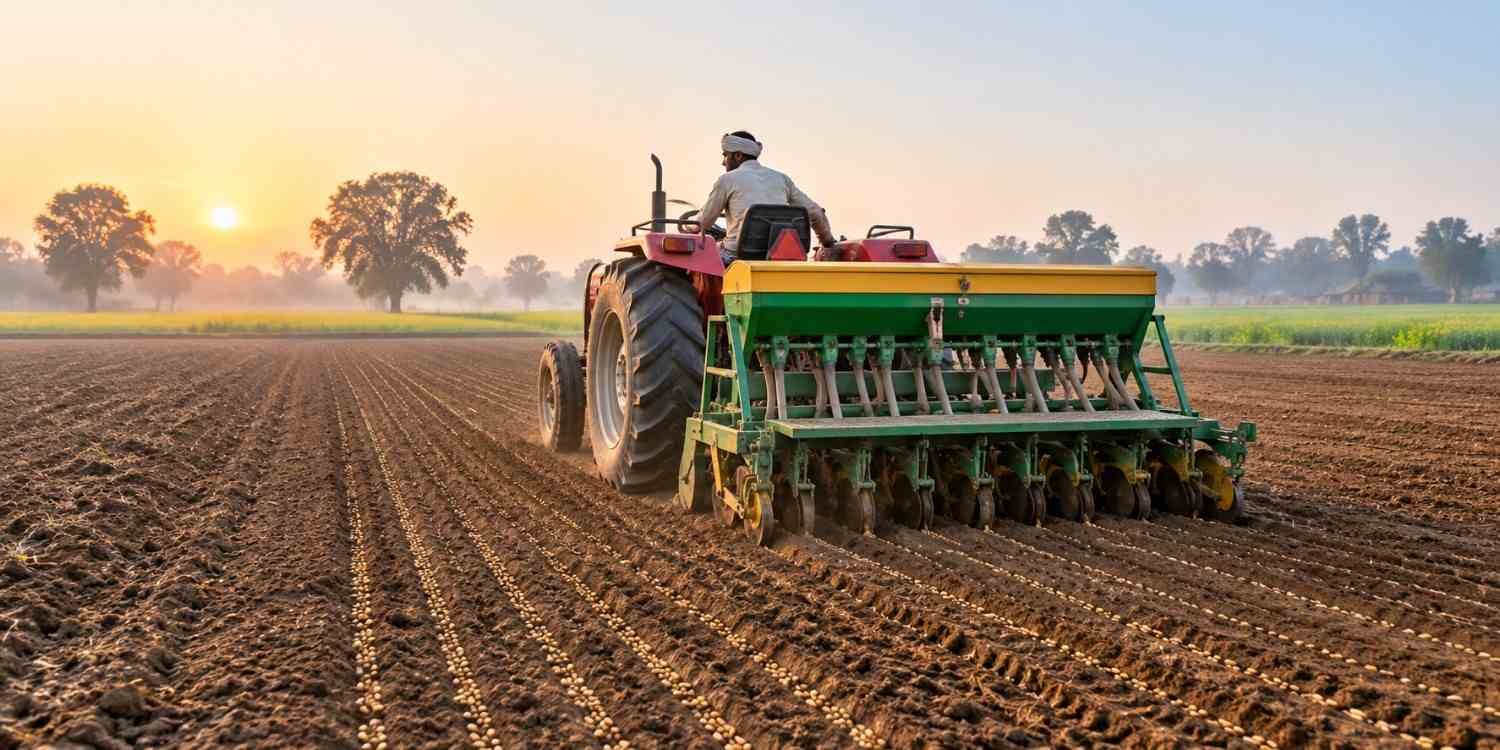
The seed rate and sowing method are important parts of barley crop planning. Farmers should use the product's stated seed rate alongside local agricultural recommendations rather than applying a single rate to every variety and field.
How to Calculate Seed Quantity
To estimate the required quantity, multiply the cultivated area by the selected seed rate.
Formula:
Seed quantity = Area in acres × Seed rate per acre
For Matru Barley Seeds, the listed rate is 35–40 kg per acre. Therefore, a farmer planning to sow 3 acres would calculate a requirement of approximately 105–120 kg using that rate.
Before purchasing, confirm the area to be planted and check the package weight and current product availability. Avoid buying solely on the basis of a general estimate if the product label or local recommendation specifies different requirements.
Choosing the Right Sowing Method
Barley can be sown using suitable manual or mechanised methods, depending on the farm's equipment and local practice.
A seed drill can help place seeds in relatively uniform rows and at a controlled depth when properly calibrated. Manual sowing methods may also be used where appropriate, but even distribution and suitable seed placement are important.
Farmers should consider the following steps:
- Prepare a suitable seedbed according to local recommendations.
- Ensure that the field has appropriate drainage and soil moisture.
- Use a suitable sowing method for the field and available equipment.
- Maintain the recommended seed placement and spacing.
- Inspect the field after emergence to assess crop establishment.
For exact sowing depth and row spacing, follow locally validated agricultural guidance for the variety and cultivation system being used.
Factors Affecting Barley Crop Growth
The performance of barley depends on the interaction between the seed variety, growing environment, and crop management practices. Choosing appropriate seeds is only one part of successful cultivation.
Soil and Climate Conditions
Barley generally performs best in suitable, well-drained soils under climate conditions appropriate for the crop. Soil type, fertility, salinity, drainage, and moisture availability can affect establishment and subsequent growth.
Before planting, farmers should assess field conditions and, where possible, use a soil test to guide nutrient management.
The growing season should also be considered. Sowing dates and crop development differ between regions, so farmers should seek local recommendations rather than relying on a universal calendar.
Irrigation and Crop Management
Water requirements vary according to soil moisture, rainfall, temperature, and crop growth stage. Irrigation should be planned according to local recommendations and the condition of the field.
Excessive irrigation may cause waterlogging in poorly drained fields, while insufficient moisture can restrict crop development. Farmers should monitor soil moisture and adjust irrigation accordingly.
Nutrient management should be based on soil fertility and appropriate agricultural guidance. Avoid applying fertilisers without considering crop requirements and the condition of the field.
Weed management is another important consideration. Weeds compete with barley for available water, nutrients, and light. Farmers should identify common weeds in their region and follow locally recommended control methods.
Regular field monitoring can help identify uneven emergence, moisture problems, weeds, and other crop issues early. Where unusual symptoms appear, seek advice from an agricultural extension professional or local Krishi Vigyan Kendra.
Frequently Asked Questions
Which barley seeds are suitable for farming?
Suitable barley seeds depend on the region, sowing season, field conditions, and intended crop use. Farmers should compare documented variety characteristics, seed class, maturity information, and local recommendations before selecting a product.
How much Matru barley seed is required per acre?
The Agriraise product description lists a seed rate of 35–40 kg per acre for Matru Barley Seeds. Confirm the current product instructions and locally recommended rate before sowing.
How many days does Matru barley take to mature?
The listed maturity period for Matru Barley Seeds is 110–115 days. Actual maturity may vary depending on weather, sowing date, soil conditions, and crop management.
When is barley grown in India?
Barley is generally cultivated during the Rabi season. The appropriate sowing period depends on the region and local agricultural recommendations.
What should farmers check before buying barley seeds?
Farmers should check the product name, seed class, package condition, lot details, packing and validity information, and relevant sowing recommendations. They should also confirm that the product is suitable for their intended cultivation conditions.
Explore Barley Seeds from Agriraise
Agri Raise Crop Care Pvt. Ltd. offers barley seed options for farmers evaluating products for Rabi cultivation. Matru Barley Seeds are listed as a research variety, with a stated maturity period of 110–115 days and a seed rate of 35–40 kg per acre.
Farmers should review the current product specifications and seek clarification from the company before purchasing if they need additional technical information.
Interested in Matru Barley Seeds?
Visit the product page or contact Agriraise to enquire about availability and product details.
CTA: Enquire About Matru Barley Seeds
Conclusion
Selecting barley seeds for farming requires careful consideration of the seed class, growing season, maturity period, sowing requirements, and local field conditions. Farmers should rely on documented product information and region-specific agricultural recommendations when planning cultivation.
Matru Barley Seeds are listed by Agriraise as a research barley variety suitable for the Rabi season, with a maturity period of 110–115 days and a seed rate of 35–40 kg per acre. These details can help farmers plan their initial requirements, while actual crop performance depends on the growing environment and management practices.
Before sowing, verify the current product label, prepare the field appropriately, and plan crop management according to local recommendations. An informed seed selection and well-managed cultivation plan can help farmers make practical decisions for their farms.

Leave a comment


Comments(0)