
Blog
Top 5 Seed Selection Tips Every Farmer Should Know
Introduction
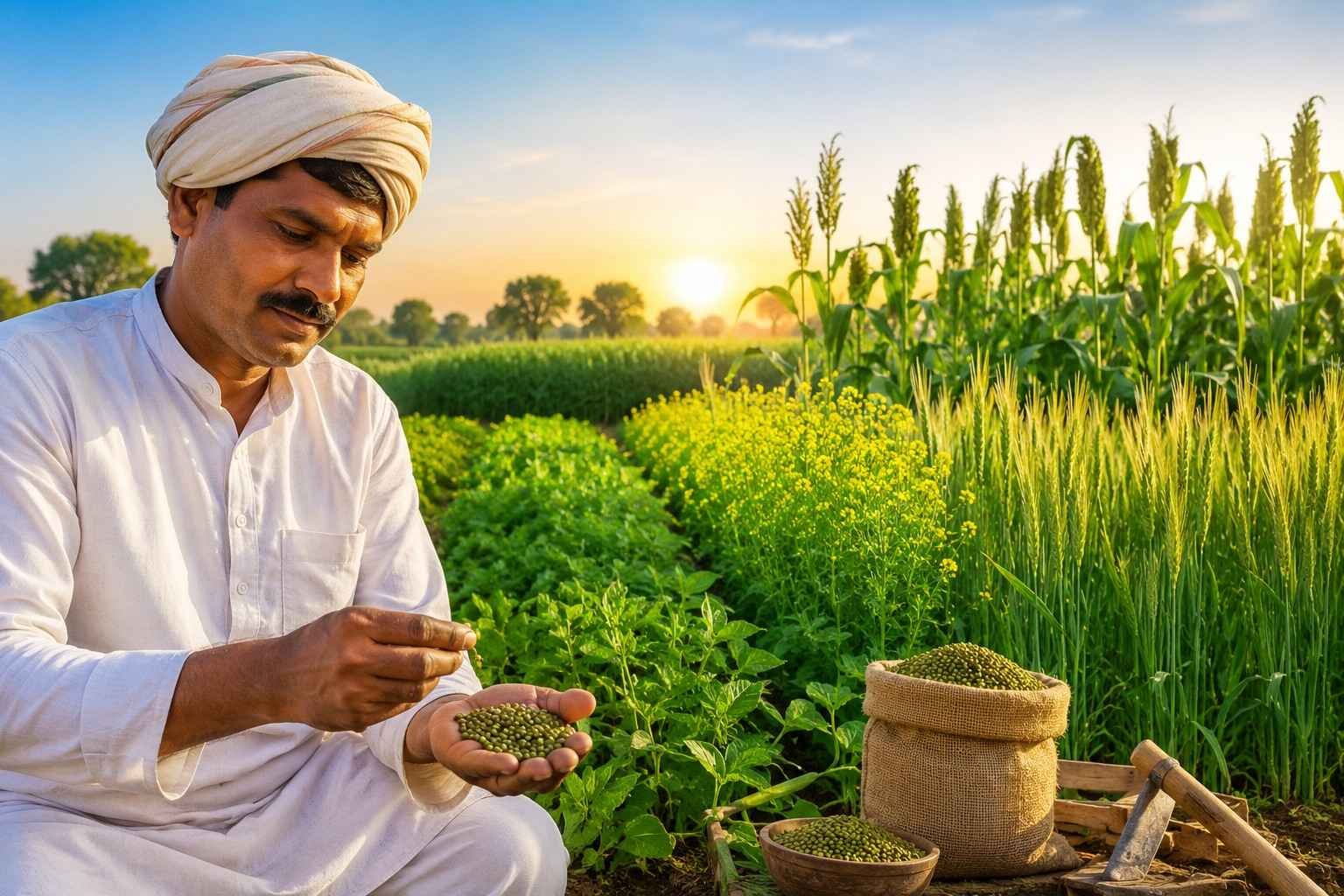
Good seeds are the first step to a good harvest. Farmers must choose seeds before planting. Good seeds make plants grow strong and healthy. They also give farmers more food. Farmers grow many kinds of crops. Some grow wheat, rice, beans, or peas. Some grow mustard or sunflower for oil. Others grow grass to feed animals. Every crop needs the right seed. Good seeds help farmers earn more money. Farmers must also check the soil type. They must think about the weather too. Seeds should resist disease and be strong. Good choices lower risks for farmers. They also help crops grow better.
This guide gives five easy seed tips. These tips help before planting season starts.
Why Choosing the Right Seeds Matters
Seeds are the starting point for every plant's life. They carry information that decides how a plant grows. This works just like how genes decide your height or eyes. Even if a farmer waters the plants perfectly every day, adds all the right fertilizers to the soil, and takes great care of the entire field, the crop still won't grow well with bad seeds. Poor seeds simply cannot grow into strong, healthy plants. No amount of care can fix this problem completely. But good, high-quality seeds change everything for the better. Plants grow up strong, healthy, and full of energy. They fight off diseases much more easily than weak plants. They can survive pests, which are harmful crop-eating insects. They also handle tough weather like heat, rain, or dryness well.
Quality seed selection offers several advantages:
- Better germination and crop establishment
- Uniform plant growth
- Higher resistance to diseases
- Improved productivity
- Better grain or produce quality
- Greater return on investment
Selecting the right seed is not merely a purchase—it is a strategic investment in the entire farming season.
Top 5 Seed Selection Tips
Tip 1: Always Choose Certified Seeds
Certified seeds are carefully tested before they reach farmers for use. Experts check genetic purity to make sure the variety is true. They also test germination to see how many seeds will grow. Physical purity is checked so seeds are clean and mixed properly. Moisture content is tested so seeds stay safe during storage time. Because of this testing, certified seeds are trusted by farmers everywhere. Buying certified seeds helps farmers grow strong, healthy, and reliable crops.
Benefits of certified seeds include:
- Consistent crop growth
- Higher germination rates
- Reduced risk of seed-borne diseases
- Better overall yield potential
Always check the certification label, production details, and packaging before purchasing.
Tip 2: Match Seeds to Your Soil Type
Every crop variety performs differently depending on soil characteristics. Understanding your soil helps you choose varieties that can flourish under existing conditions.
Consider factors such as:
- Soil texture
- Soil fertility
- Drainage capacity
- Organic matter content
- Soil pH
A simple soil test helps farmers understand their land in an easy way. It shows how healthy the soil is and what it needs. Farmers can then pick seeds that grow best in that soil. This choice helps plants grow strong, healthy, and give better yields. So, testing soil first leads to smarter and more successful farming choices.
Tip 3: Consider Climate and Growing Season
Environmental conditions greatly influence crop performance. A variety that performs well in one region may not deliver the same results elsewhere.
Before selecting seeds, evaluate:
- Temperature range
- Rainfall pattern
- Humidity
- Irrigation availability
- Crop duration
- Recommended sowing season
Choosing local crop varieties helps farmers grow safer, stronger, and healthier plants.
Tip 4: Check Germination Rate and Seed Quality
High-quality seeds exhibit excellent germination and produce healthy seedlings. Before purchasing, inspect the seed package carefully.
Look for:
- High germination percentage
- Good physical purity
- Uniform seed size
- Proper packaging
- Recent packing date
- Freedom from insects and fungal damage
Healthy seeds are the first step to growing strong, good crops. When farmers plant healthy seeds, roots grow deep and firm quickly. Strong roots help plants drink more water from the soil below. They also pull in more nutrients that plants need to grow. Plants with strong roots can stand tall during wind and rain. Such plants also fight off diseases and pests much better. In the end, healthy seeds lead to bigger, healthier harvests for farmers.
Tip 5: Buy Seeds from a Trusted Supplier
Buying seeds from a good company helps farmers grow strong and healthy crops. Trusted seed sellers check their seeds carefully before selling them to people. They also test seeds many times to make sure they are good. Good companies give helpful tips and advice to farmers who need it. This support helps farmers understand how to plant and care for seeds. When farmers use quality seeds, their plants grow better and produce more food. That is why choosing a reliable seed supplier is so very important.
A trusted seed supplier generally offers:
- Certified seed varieties
- Quality assurance
- Proper packaging
- Expert recommendations
- Customer support
Don't buy unknown loose seeds; they may not grow well or fully.
Common Mistakes Farmers Should Avoid
Even experienced farmers occasionally make avoidable mistakes while selecting seeds.
Common errors include:
Buying Only Based on Price
Cheap seeds seem to save money, but they often grow fewer, weaker crops.
Ignoring Local Recommendations
Farmers must choose seeds that suit their local land and weather. Some plant varieties grow well only in certain places on Earth. Using the wrong variety can make crops weak and unhealthy. Even good farming methods cannot fix this basic seed mistake. A cold-climate seed may fail badly in hot regions. Soil type also matters a lot for healthy plant growth. Farmers should always pick varieties tested for their own area. This simple choice helps them grow better and bigger harvests.
Not Checking Packaging Information
Before you buy seeds, always check the date made, date it expires, how many will grow, and how to store them safely.
Choosing Unknown Varieties
Trying new seeds without enough information can cause big problems for farmers. Farmers may not know how these seeds grow in their soil. Unknown seeds might not survive local weather or pests well. This can lead to smaller harvests and lost money. Farmers work hard, so risking crops is a serious decision. It is safer to test seeds in small amounts first. Getting advice from experts helps farmers avoid costly mistakes. Learning about seeds before planting protects both crops and income.
Conclusion
A good farming season starts with choosing the right seeds carefully. Farmers should always pick certified seeds for healthier, stronger plants. Knowing the soil type helps farmers choose the best seeds. The local climate and weather also affect which seeds grow well. Checking seed quality ensures plants grow strong and healthy. Buying seeds from trusted sellers helps farmers avoid poor quality seeds. Following these simple steps leads to better crops and yields.
Farmers make many choices, but picking good seeds matters most. Good seeds help plants grow strong and healthy every season. Smart seed choices can also lower risks for the farmer. These five simple tips make farming safer and more successful. Better seeds today help build a better farming future tomorrow.
If you are looking for reliable, high-quality seeds, explore the seed varieties offered by Agri Raise Crop Care. We are committed to providing quality seeds that support healthy crop growth and better harvests. For more information or expert guidance, visit our Contact Us page.
Investing in quality seeds today lays the groundwork for stronger harvests tomorrow.
Frequently Asked Questions
1. How do I choose the best seeds for farming?
Farmers should pick certified seeds that suit their soil and climate. These seeds must also match the current farming season well. Always check the germination percentage before buying any seeds. Good germination means more seeds grow into healthy plants. Buy seeds only from trusted, well-known sellers for good quality and honest advice.
2. Why are certified seeds important?
Certified seeds are tested for quality, purity, and germination. They help farmers achieve healthier crops, better plant establishment, and higher yields.
3. Does seed quality affect crop yield?
Yes, seed quality has a big effect on crop yield. Good quality seeds grow into strong and healthy plants. These plants can resist diseases better and handle tough weather like heat, cold, or low rainfall. Because of this, the plants grow well and produce more crops. In short — better seeds lead to a bigger and better harvest.
4. What should I check before buying seeds?
Before buying seeds, check these five points:
- Check the certification label to know the seed quality is verified.
- Check the germination percentage to see how many seeds will sprout.
- Check the packaging date to make sure the seeds are fresh.
- Check the physical purity to know seeds are clean and unmixed.
- Check if the variety suits your region's soil and weather conditions.
5. Can choosing the right seed reduce farming risks?
Absolutely, choosing the right seed can reduce farming risks.

Leave a comment

Comments(0)