
Blog
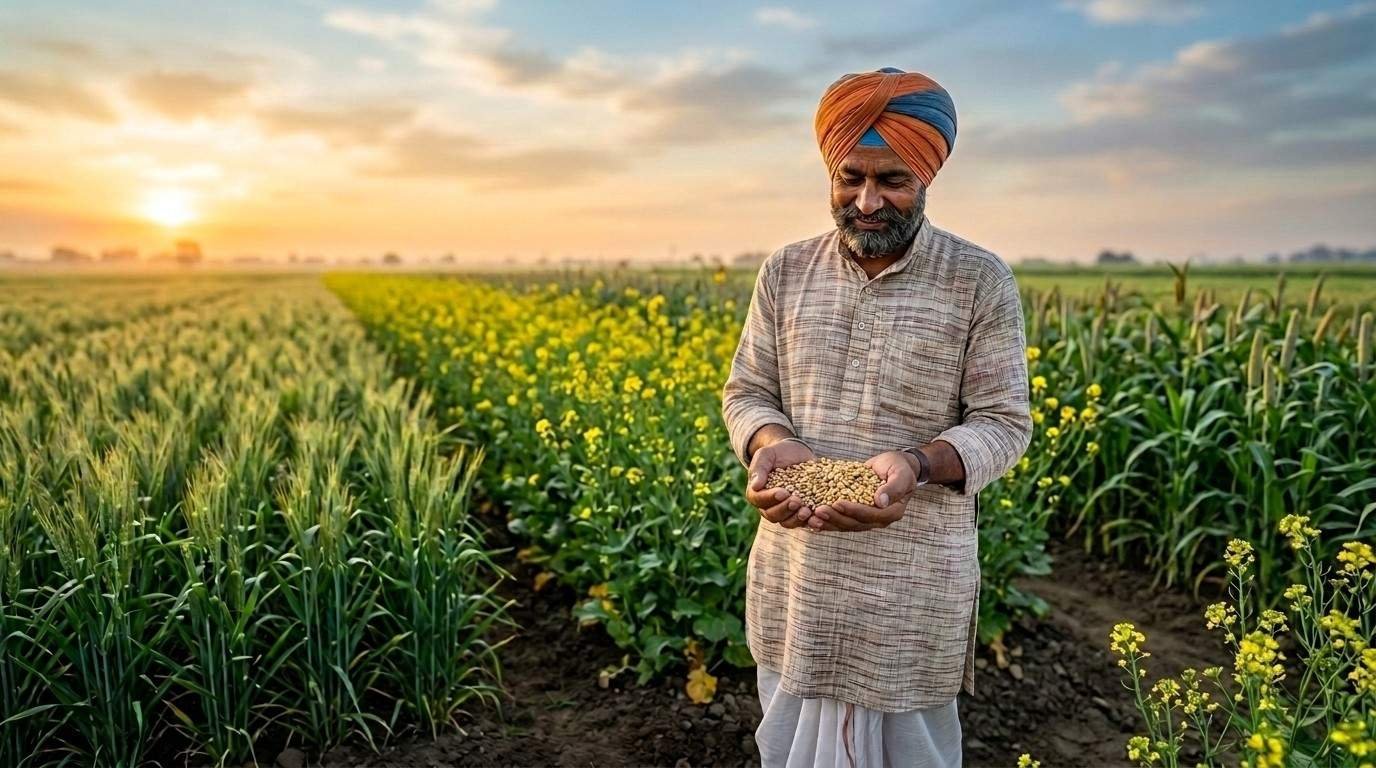
Research Seeds Guide for Better Harvests
Research Seeds Guide for Better Harvests
Research seeds help farmers grow better and healthier crops. Scientists study and test these seeds very carefully first. They make plants stronger against harmful pests and diseases. Farmers get bigger harvests when they use good seeds. These seeds also work well in different weather conditions. Good seeds make farming more successful and profitable for everyone. Choosing the right seeds is very important for every farmer. This helps our farms grow more food for all people.
In this guide, you'll learn what research seeds are, their key features, benefits, and how to select and use them for better harvests.
Why Research Seeds Are Important
Research seeds come from years of careful scientific study and testing. Scientists work hard to make crops grow better and stronger. These seeds help farmers solve many common farming problems easily. They can handle low yields and give more food overall. Changing weather like too much heat does not harm them. They also fight against harmful pests that damage the crops. Plant diseases are less likely to affect these special seeds. Farmers using research seeds get healthier plants every single season. This means better harvests, more income, and happier farming families.
Using quality research seeds helps crops grow strong and healthy. These seeds adapt well to local soil and weather conditions. They also help farmers get more consistent harvests every season. Good seeds are an important part of modern farming methods. They support sustainable farming that protects soil and environment too. Farmers who use these seeds often see better plant growth. This leads to more food production with less crop failure. Research seeds also reduce the need for extra chemicals. Overall, using them makes farming smarter, safer, and more reliable.
How They Improve Farm Productivity
Research seeds are developed to maximize productivity while reducing crop losses. They offer several advantages that directly impact farm performance.
- Produce uniform and healthy plants.
- Improve germination rates.
- Increase crop yield.
- Reduce losses caused by pests and diseases.
- Help farmers earn better returns from their harvest.
When farmers manage their crops well, seeds grow into strong plants. Research seeds help produce more crops in the same field. They also make fruits and vegetables look fresh and healthy. Good management includes watering plants at the right time. Farmers must also remove weeds so crops grow freely. Using the right fertilizer helps seeds grow into strong plants. Protecting crops from pests keeps produce clean and safe. With care and attention, harvests become bigger and tastier. This shows how research seeds and good care work together.
What Are Research Seeds?
Research seeds are special seeds made by scientists who study plants. They help crops grow bigger, stronger, and more in number. These seeds can fight diseases that harm normal plants easily. They also help plants survive during dry seasons without much water. Research seeds grow well in many different places and climates too. Scientists test these seeds for many years before selling them. This testing makes sure the seeds are safe and effective. Farmers can trust these seeds because they are checked properly.
After successful testing, seeds are approved for farmers to use. This helps farmers grow better crops and earn more money.
Key Features of Research Seeds
High-quality research seeds provide better yield, quality, and reliable crop performance
High Germination Rate
Research seeds sprout very well when they are planted in soil. This means most seeds grow into healthy little plants. All the plants grow up looking similar in size and shape. This happens because the seeds are strong and equally good. Farmers like this because it makes farming easier and neat. Even growth means every plant gets enough sunlight and space. It also helps the crops ripen at the same time together. This makes harvesting simple, fast, and much more organized work. So research seeds help fields look tidy and full of life. Strong sprouting is one big reason farmers trust these seeds.
Strong Genetic Purity
Research seeds keep the same traits every time they grow. This means all plants grow to a similar height. They also become ready to harvest at the same time. The crops produced are equal in size and good quality. Farmers like this because it makes farming easier to plan. It also helps in selling crops that look neat and equal. Consistent traits happen because scientists carefully select the best seeds. This careful process removes weak or unwanted plant qualities. As a result, farms get healthier and more reliable harvests. Overall, these seeds bring order, quality, and success to farming.
Better Stress Tolerance
Scientists create special seeds that can handle tough weather conditions. These seeds grow well even when there is very little rain. They can survive extreme heat without getting damaged easily. Such seeds help plants stay strong during dry summer seasons. Farmers use them in areas facing droughts or high temperatures. These seeds also resist strong winds and sudden weather changes. They give crops a better chance to grow successfully. Plants from these seeds need less water to survive well. This makes farming easier in places with harsh climates. Research seeds truly help farmers grow food in difficult conditions.
Improved Crop Performance
Research seeds give good harvests when grown the right way. Farmers must follow proper steps to get best results. First, they should prepare the soil well before planting seeds. Then, they need to water the plants at correct times. Adding the right amount of fertilizer helps plants grow strong. Farmers should also protect crops from pests and harmful insects. Following expert advice makes the seeds work even better. This careful method gives farmers steady and dependable harvests always.
Research Seeds vs Traditional Seeds
Research Seeds |
Traditional Seeds |
|
Developed through scientific research and breeding. |
Naturally developed and preserved over generations. |
|
Provide higher crop yield potential. |
Offer moderate crop yield. |
|
Better resistance to pests and diseases. |
Limited resistance to pests and diseases. |
|
Produce uniform plant growth and crop quality. |
Often result in uneven plant growth. |
|
Suitable for modern and commercial farming. |
Commonly used in traditional farming. |
|
Require proper crop management and farming techniques. |
Need simple and basic farming practices. |
|
Usually cost more due to research and testing. |
Generally cheaper and easily available. |
|
Widely used by commercial and progressive farmers. |
Mostly used in traditional and small-scale farming. |
Benefits of Research Seeds
Research seeds contribute to improved agricultural productivity and long-term farming success.
Higher Yield and Better Quality
Research seeds are special seeds made by careful scientific breeding methods. They help farmers grow more crops from the same land. These seeds produce grains that look neat and equal in size. The grains also have a nice, attractive, and healthy color. Because of this, the crops sell for a better price. Farmers get more profit by using these improved seeds. This is why many farmers now prefer research seeds today.
Higher-quality crops often attract better prices, increasing farm income.
Improved Resistance to Pests and Diseases
Many research seeds are made to fight pests and plant diseases. Scientists study plants to find their weak and strong points. They mix good qualities to create stronger, healthier seed varieties. These seeds resist insects that usually damage growing crops badly. They also protect plants from harmful fungus and bacteria. Farmers get better harvests when seeds fight diseases naturally. This reduces the need for expensive chemical sprays and treatments. Healthy plants grow faster and produce more food overall. Choosing disease-resistant seeds saves farmers time, money, and effort. This is why many farmers now prefer research seed varieties.
This reduces crop damage and lowers the need for excessive pesticide applications.
How to Choose the Right Research Seeds
Selecting the right seeds is essential for achieving the best results.
Consider Soil, Climate, and Crop Type
Before purchasing seeds, evaluate:
- Soil type
- Rainfall pattern
- Temperature
- Irrigation availability
- Growing season
Choose seed varieties recommended for your local region.
Buy Certified and High-Quality Seeds
Always purchase seeds from trusted suppliers that provide certified and properly labeled products.
Certified seeds ensure better quality, higher germination, and genetic purity.
Best Practices for Better Harvests
Using research seeds correctly is just as important as selecting the right variety.
Proper Sowing and Seed Treatment
Follow the recommended seed rate and sowing depth.
Seed treatment means giving seeds special care before they are planted. This process protects young plants from harmful fungal diseases in soil. It also helps seeds sprout faster and grow much stronger. Farmers use safe chemicals or natural methods to treat seeds properly. Sometimes seeds are coated with special powders before sowing them. This coating stops germs and fungus from attacking the tiny seed. Treated seeds germinate better and grow into healthy young plants. This simple step increases the chances of a good harvest. Every farmer should treat seeds to keep their crops safe and strong.
Irrigation and Crop Management Tips
Maintain proper irrigation according to crop requirements.
Fertilizers give important food to help plants grow strong and healthy. Farmers should first test the soil before adding any fertilizers. Soil testing shows what nutrients the land already needs most. Balanced fertilizers give the right mix of important nutrients. Too much fertilizer can harm plants and pollute the soil. Farmers must also check their crops very often. Weeds take away water and food meant for crops. Pests like insects can damage leaves, stems, and fruits. Diseases spread quickly if plants are not checked regularly. Watching crops closely helps farmers act fast and early. This careful care leads to healthier plants and better harvests.
Good crop management helps maximize the benefits of research seeds.
Common Mistakes to Avoid
Avoiding common mistakes can improve crop performance and reduce production losses.
Using Poor-Quality Seeds
Low-quality seeds do not grow well when planted in soil. Many of these seeds fail to sprout into plants. Uncertified seeds are not tested properly by seed experts. This means their real quality is often unknown and risky. Plants from bad seeds grow unevenly, some tall, some short. These weak plants cannot fight diseases or bad weather. Farmers get fewer crops when they use poor seeds. The harvest becomes small and less useful for selling. This is why choosing certified seeds is very important always. Good seeds help farmers grow healthy, strong, and full harvests.
Always choose quality-tested research seeds.
Incorrect Storage and Planting Methods
Improper storage can reduce seed viability.
Seeds need special care so they grow into healthy plants later. Always store seeds in a cool and dry place. Heat and moisture can spoil seeds and stop them growing. A clean container helps keep seeds safe from bugs. Dry seeds properly before storing them for future planting use. Follow the correct planting method suggested by experts or farmers. Plant seeds at the right depth in good soil. Give seeds enough water, sunlight, and space to grow well. Good storage and planting help seeds sprout strong and healthy. This leads to better crop growth and a successful harvest.
Frequently Asked Questions
Can Research Seeds Increase Crop Yield?
Yes, research seeds can increase crop yield. They are developed to grow stronger and healthier plants. These seeds resist diseases and pests more effectively. They also adapt well to different weather conditions. As a result, plants grow faster and produce more. Farmers get better quality crops from these seeds. This leads to higher production per acre of land. Proper care and planting boost these benefits further. Overall, research seeds help farmers achieve bigger harvests.
How Do I Identify Genuine Research Seeds?
You can identify genuine research seeds in several ways. Always buy seeds from trusted and licensed sellers. Check the packet for official certification marks. Look for a batch number and expiry date printed clearly. Genuine seeds often have uniform size, shape, and color. Avoid seeds that look broken, discolored, or damaged. Read labels carefully for company name and details. Government seed centers usually sell verified and tested seeds. Ask local agriculture officers if you feel unsure. These simple checks help you avoid fake or poor seeds.
Conclusion
Research seeds are a smart choice for farmers wanting better harvests. These seeds have strong genes that fight pests and diseases well. They also produce more crops, helping farmers earn more money. Farmers should always buy certified seeds from trusted seed centers. Following good farming steps helps crops grow healthy and strong. Taking proper care of crops leads to long-term farming success. Research seeds work for cereals, pulses, oilseeds, and vegetables too. Choosing the right seeds is the first step to success. It leads to healthier crops and a more productive farm overall.
Ready to Grow Better Crops?
Choosing the right research seeds is the first step toward healthier crops, higher yields, and long-term farming success. At Agri Raise Crop Care, we offer premium-quality research, hybrid, and certified seeds that are carefully selected to meet the needs of modern farmers. Whether you're growing moong, mustard, bajra, guar, wheat, or other crops, our experts can help you choose the right seed variety for your farm.
Explore our premium seed collection today and take the next step toward better harvests.
Explore Our Seeds
Contact Our Experts Today

Leave a comment


Comments(0)