
Blog
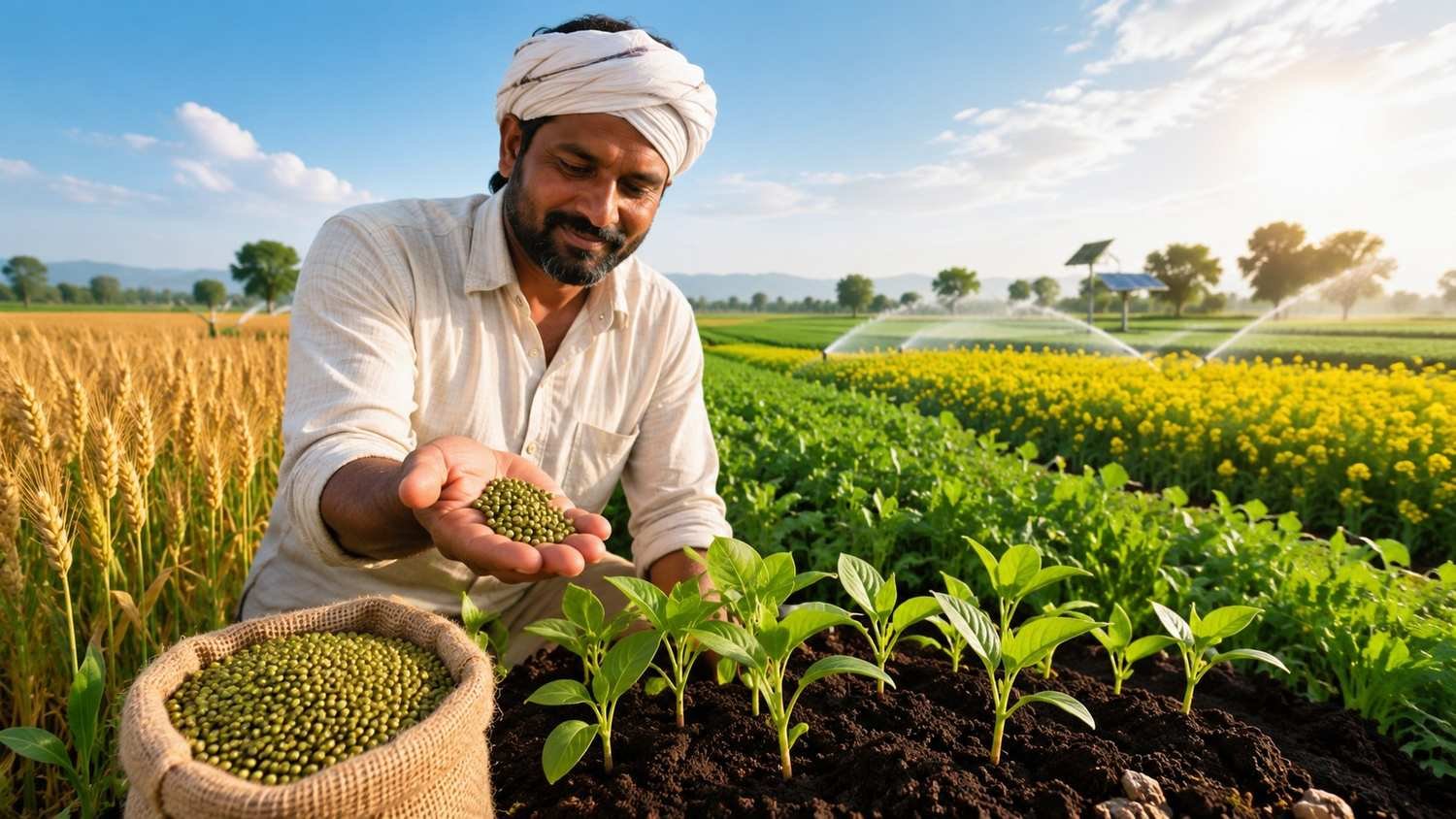
How Good Quality Seeds Increase Crop Production and Improve Farming Yield
Introduction
A good harvest always begins with one important choice — choosing the right seed. Even if the soil is rich or the farming tools are modern, bad seeds still grow into weak plants with fewer crops. But good seeds help plants grow healthy and strong. They also help farmers get more crops and earn more money.
Today, farmers want their crops to grow well every time, stay strong, and not waste resources. The best way to do this is by using good seeds. These seeds are healthy, free from disease, and perfect for the local weather and soil.
What Are Good Quality Seeds?
Good quality seeds are carefully selected and tested. This ensures high germination. It also guarantees genetic purity, physical cleanliness, and strong vigor. These plants are healthy. They grow consistently. They can produce higher yields.
A quality seed is characterized by:
- High germination percentage
- Genetic purity
- Physical purity
- Uniform size and appearance
- Freedom from weed seeds and diseases
- Strong seed vigor
- High adaptability to environmental conditions
These characteristics enable farmers to establish a healthy crop from the very beginning.
Why Seed Quality Is the First Step Toward Higher Crop Production
Seeds determine the genetic potential of a crop. Poor-quality seeds cannot deliver the best results. This is true even with excellent irrigation, fertilizers, and crop management. High-quality seeds promote rapid germination, vigorous root development, and healthy plant establishment. When all plants grow the same, it's easy to water, feed, and pick them. This helps the farm work well.
Simply put, quality seeds provide a strong biological foundation for better agricultural performance.
Benefits of Good Quality Seeds
Higher Germination Rate
Premium seeds exhibit superior germination rates, ensuring more plants successfully emerge after sowing. Better germination leads to optimum plant population and reduces the need for re-sowing.
Uniform Crop Growth
Uniform germination creates even crop development throughout the field. Crops mature together, simplifying irrigation schedules, fertilizer application, and harvesting operations.
Better Resistance to Pests and Diseases
Many improved seed varieties possess enhanced tolerance against common diseases and insect attacks. This reduces crop losses and lowers dependency on chemical pesticides.
Improved Drought Tolerance
Climate variability has become a major concern for farmers. Good seeds can grow with less water. This helps plants live through dry times and still give us food.
Enhanced Crop Quality
Healthy plants grow bigger, better-looking fruits and vegetables that people like to buy. Better quality generally translates into higher selling prices.
How Good Quality Seeds Improve Farming Yield
Quality seeds contribute directly to increased farming yield through multiple mechanisms. Healthy seedlings absorb nutrients more efficiently and develop stronger root systems. Better nutrient utilization supports vigorous plant growth throughout the cropping season. Good quality seeds also reduce plant mortality, ensuring an optimal crop stand. This results in higher productivity per acre and improved resource utilization. Good seeds help all the plants grow at the same time. This makes it easier to harvest the crops and helps reduce waste.
Key Factors to Consider When Selecting Seeds
Choosing the right seed requires careful evaluation.
Certified Seeds
Always choose certified seeds that have been tested for quality, growth, and health.
Climate Suitability
Select varieties recommended for your agro-climatic region to ensure optimal performance.
Soil Compatibility
Different crops and varieties perform differently depending on soil type. Understanding soil characteristics helps maximize productivity.
Seed Purity
Pure seeds produce uniform crops and reduce contamination from other varieties.
Germination Percentage
Higher germination rates indicate stronger seed quality and better field establishment.
The Role of Good Agricultural Practices Alongside Quality Seeds
-
Quality seeds perform best when combined with proper crop management.
-
Proper land preparation creates a favorable environment for root development.
-
Timely sowing allows crops to utilize favorable weather conditions.
-
Balanced fertilizer application supports healthy vegetative and reproductive growth.
-
Efficient irrigation prevents moisture stress during critical growth stages.
-
Integrated pest and weed management protects crop health throughout the growing season.
-
Together, these practices maximize the genetic potential of quality seeds.
Common Mistakes Farmers Make While Choosing Seeds
-
Many yield losses begin before sowing.
-
Purchasing seeds solely based on low prices often compromises quality.
-
Ignoring regional recommendations may lead to poor crop adaptation.
-
Using untreated seeds increases susceptibility to diseases during early growth.
-
Not checking seed certification can lead to poor germination and uneven crop growth.
-
Making informed seed choices helps avoid these common pitfalls.
Why Certified Seeds Are a Smart Investment
Certified seeds may cost a bit more at first, but they usually give much better results. Good crops mean more money for farmers — because they grow more, get sick less, and don't need to be replanted often. Certified seeds help farming last a long time by making sure crops grow well every year. Good seeds are not a waste of money — they are a smart investment.
How Agri Raise Crop Care Supports Better Farming
Agri Raise Crop Care helps farmers grow more by providing high-quality seeds. The company grows seeds by doing research and checking them carefully to make sure they are good. They offer solutions that support farming in a sustainable way. They make seeds that help farmers grow better crops and earn more money.
Conclusion
Every successful harvest begins with a quality seed. You need good seeds first. Good seeds are the most important thing for a farm. Even if you water your plants and use fertilizer, they won't grow well if you start with bad seeds. Good seeds sprout easily, grow into strong plants, and can fight off sickness better. This means the farm gives more food. When farmers use good, trusted seeds, their farms do better and stay successful for a long time.
Looking for premium-quality certified seeds? Agri Raise Crop Care offers high-performance seeds for better germination, healthier crops, and higher yields. Contact us today to find the right seed varieties for your farming needs.
Frequently Asked Questions (FAQs)
1. How do quality seeds increase crop production?
Quality seeds grow better plants, resist disease more, and produce higher yields.
2. Why are certified seeds important?
Certified seeds are checked for purity and quality. This means they grow well and produce healthy crops.
3. How can farmers identify quality seeds?
Farmers should choose seeds that are:
- Certified (approved as good quality)
- Able to sprout well (high germination)
- Same size and shape
- Clean, without dirt or other seeds mixed in
- Free from insects and diseases
4. Do quality seeds reduce farming costs?
Yes. Good seeds mean farmers don't need to plant again if seeds fail. Good seeds also save water and fertilizer, and cost less to protect from pests and diseases.
5. What is the difference between hybrid seeds and certified seeds?
Hybrid seeds are made by mixing two special parent plants to grow bigger, healthier crops. Certified seeds are seeds that have been checked and approved to make sure they are good quality. A hybrid seed can also be certified if it meets the certification requirements.

Leave a comment


Comments(0)