
Blog
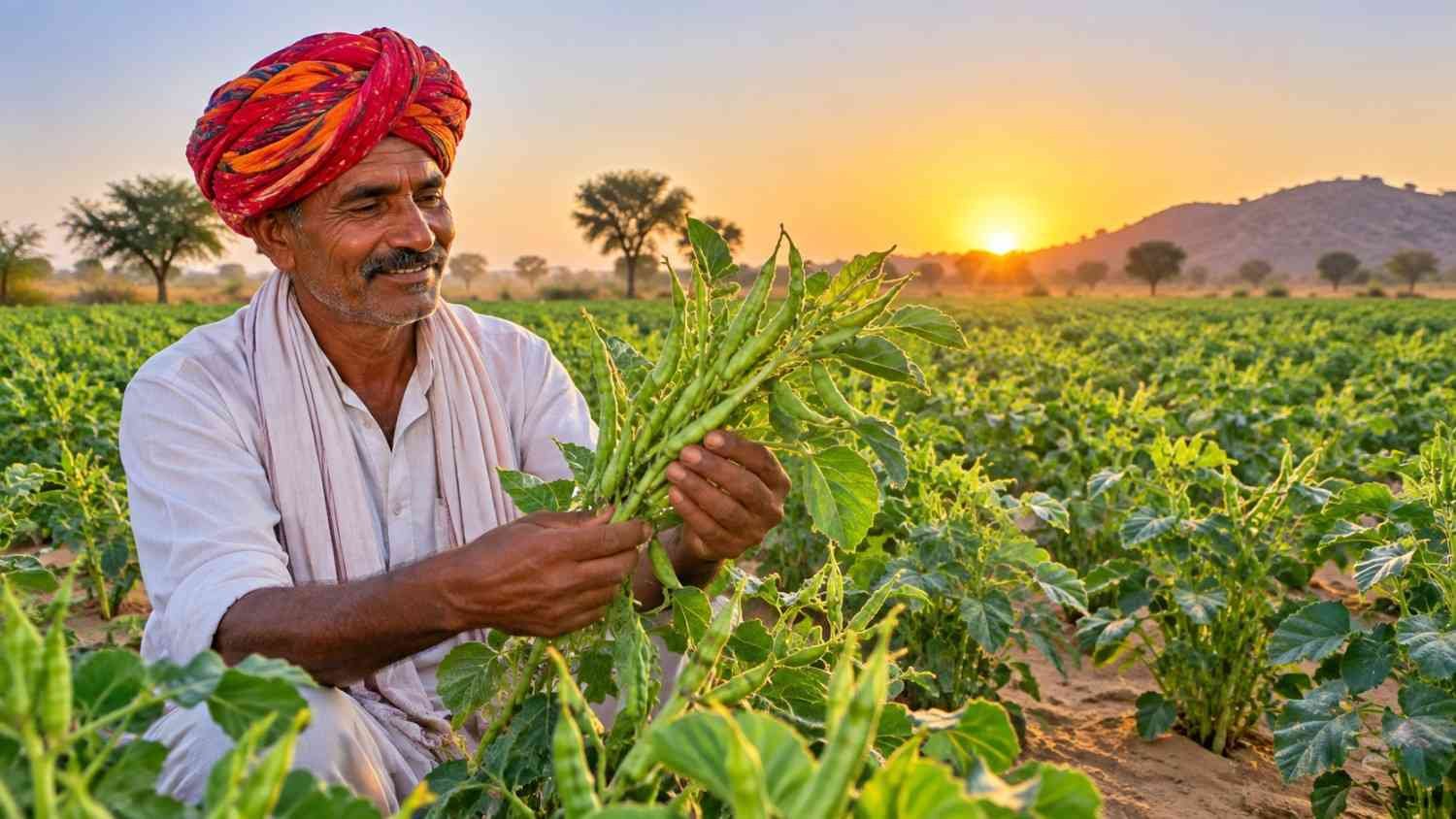
Guar Seed Price in India 2026 (Per Kg Rate & Market Trends)
The guar seed price in India changes fast, and every farmer wants to know the right rate before sowing or selling. Guar (cluster bean) grows well on dry land. But one good rain or one big factory order can move the market.
This blog gives you the 2026 rate per kg, the reasons behind price changes, state-wise trends, and the best places to buy seed.
One thing first: people use "guar seed price" for two different things.
- Mandi rate: the money you get when you sell your harvested guar.
- Sowing seed rate: the money you pay to buy seed for planting.
Both are covered below.
Guar Seed Price Per Kg Today
Mandi rates are usually told per quintal. One quintal is 100 kg. To get the price per kg, divide the quintal rate by 100.
Your exact rate depends on:
- Your local mandi
- Seed quality and moisture
- How much crop reached the mandi that day
How to check today's rate:
- Visit Agmarknet for mandi-wise prices.
- Use the eNAM app or website.
- Call a trusted trader in your nearest mandi.
Check two or three mandis before you decide. A small difference per kg can mean a big difference on a full trolley.
Guar Seed Price for Sowing (Seed Cost)
Sowing seed costs more than guar sold in the mandi. It is cleaned, tested, and packed for good sprouting.
The rate depends on:
- Variety, such as HG 563, RGC 936, or a hybrid
- Brand and pack size
- Season demand
You need about 8 to 10 kg of seed per acre. So the cost is easy to work out:
Rate per kg × 8 to 10 kg = seed cost per acre
Ask two or three licensed dealers for a written quote. Compare the sprouting percentage and lot number, not just the rate. Cheap seed with weak sprouting can cost you more later.
For our current seed rate, call us / check our product page.
Factors Affecting Guar Seed Price
The guar seed price does not stay fixed for long. It is known as one of the more up-and-down crops among Indian farm commodities. Here is why.
- Monsoon and Rainfall
Guar is mostly a rain-fed crop, especially in Rajasthan. Monsoon progress is a major factor in how much crop farmers expect. Good rain at sowing means more area and more crop. Weak rain means less supply, and prices often go up.
- Demand From Guar Gum Factories
Most guar is not eaten as a vegetable. It goes to factories that make guar gum. This gum is used in oil and gas drilling and also in food products as a stabiliser. When these industries buy more, mandi rates rise.
- Export and Global Market
The seed itself is not exported directly, but its value depends on the products made from it, which are largely sold abroad. So a change in demand from other countries can affect your local rate within days.
- Old Stock and Last Year's Price
Guar can be stored for years, so stocks kept by traders and processors play a big role in setting prices. If godowns are full, prices stay soft. If stocks are low, prices firm up.
Last year's rate also decides how much guar farmers sow this year. A high rate last year often means more sowing and more supply.
- Harvest Season Arrivals
Guar is sown in the kharif season and harvested between October and December. When lots of new crops reach the mandi at once, rates can dip for a few weeks. Farmers who can store safely often get a better price later.
- Quality of the Seed
Clean, dry, and bold seed gets a better rate. Wet, broken, or mixed seed gets a lower one. For sowing seed, purity and germination decide the price.
State-wise Guar Seed Price
There is no single national rate. Each mandi sets its own price every day.
The guar seed price in Rajasthan mandis often sets the tone for the whole country. Here is how the main states compare:
Rajasthan
Rajasthan grows over 70% of India's guar. Jodhpur, Bikaner and Nagaur are the key mandis to watch.
Haryana
Hisar, Sirsa, and nearby mandis are important here. Haryana is also known for its research work, and many popular HG varieties came from Haryana's farm university. Rates are usually close to Rajasthan's rates.
Gujarat
Gujarat markets like Deesa and areas in Kutch also see steady guar trade. Rates depend on local rainfall and how close the mandi is to processing units.
Punjab and Other States
Punjab, Madhya Pradesh, and Uttar Pradesh grow smaller amounts. Rates here can be slightly lower or higher based on transport cost and local demand.
Why do rates differ from state to state?
- Distance from guar gum factories
- Transport and loading costs
- Seed quality and moisture level
- Number of buyers in the mandi that day
Tip: Check two or three nearby mandis before selling. A short trip can sometimes earn you a better rate.
Certified Guar Seeds Price vs Local Seeds
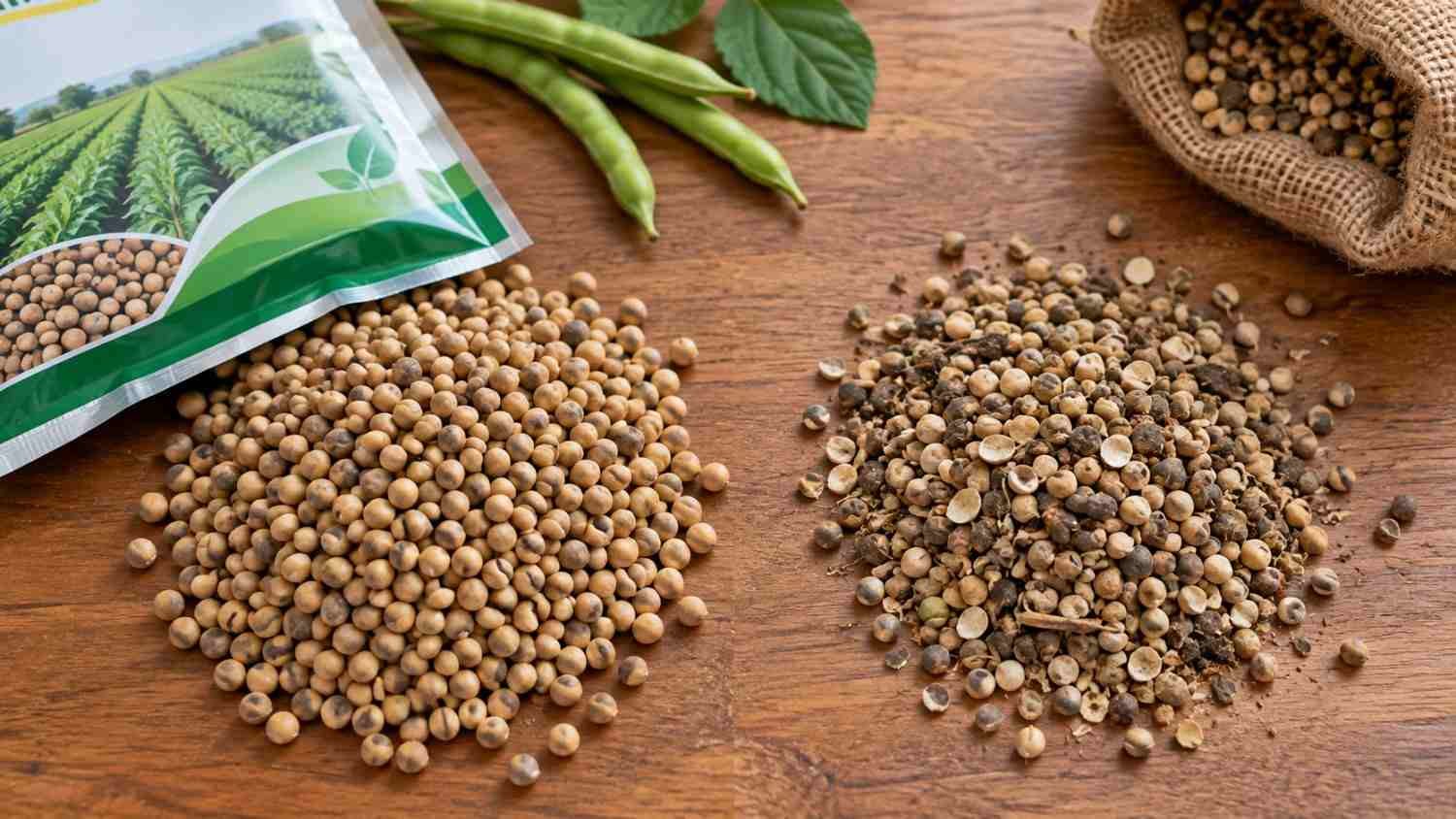
Many farmers save seed from their own crop. It costs little, but it can cost more in the end. Here is a simple comparison. The certified guar seed price is a little higher, but you get tested quality in return.
|
Point |
Certified Seed |
Local / Saved Seed |
|
Price per kg |
Higher |
Lower |
|
Purity |
Tested and checked |
Often mixed |
|
Germination |
Usually good and stated on the pack |
Not known |
|
Disease risk |
Lower |
Higher |
|
Yield |
More stable |
Varies a lot |
What Does It Cost Per Acre?
A seed rate of 8 to 10 kg per acre is advised for guar. At ₹100 to ₹200 per kg, your seed cost is about ₹800 to ₹2,000 per acre.
Local seed may save you ₹500 to ₹1,000 per acre. But if a weak seed gives fewer plants, you can lose much more.
Popular varieties such as HG 563 and RGC 936 give about 7 to 8 quintals per acre on average. Even one extra quintal sold at about ₹6,700 brings in far more than the extra seed cost. That is why certified seed usually pays for itself.
Not sure which variety fits your soil, rainfall, and sowing time? Read our Guar Seed Selection Guide before you buy.
Where to Buy Guar Seeds
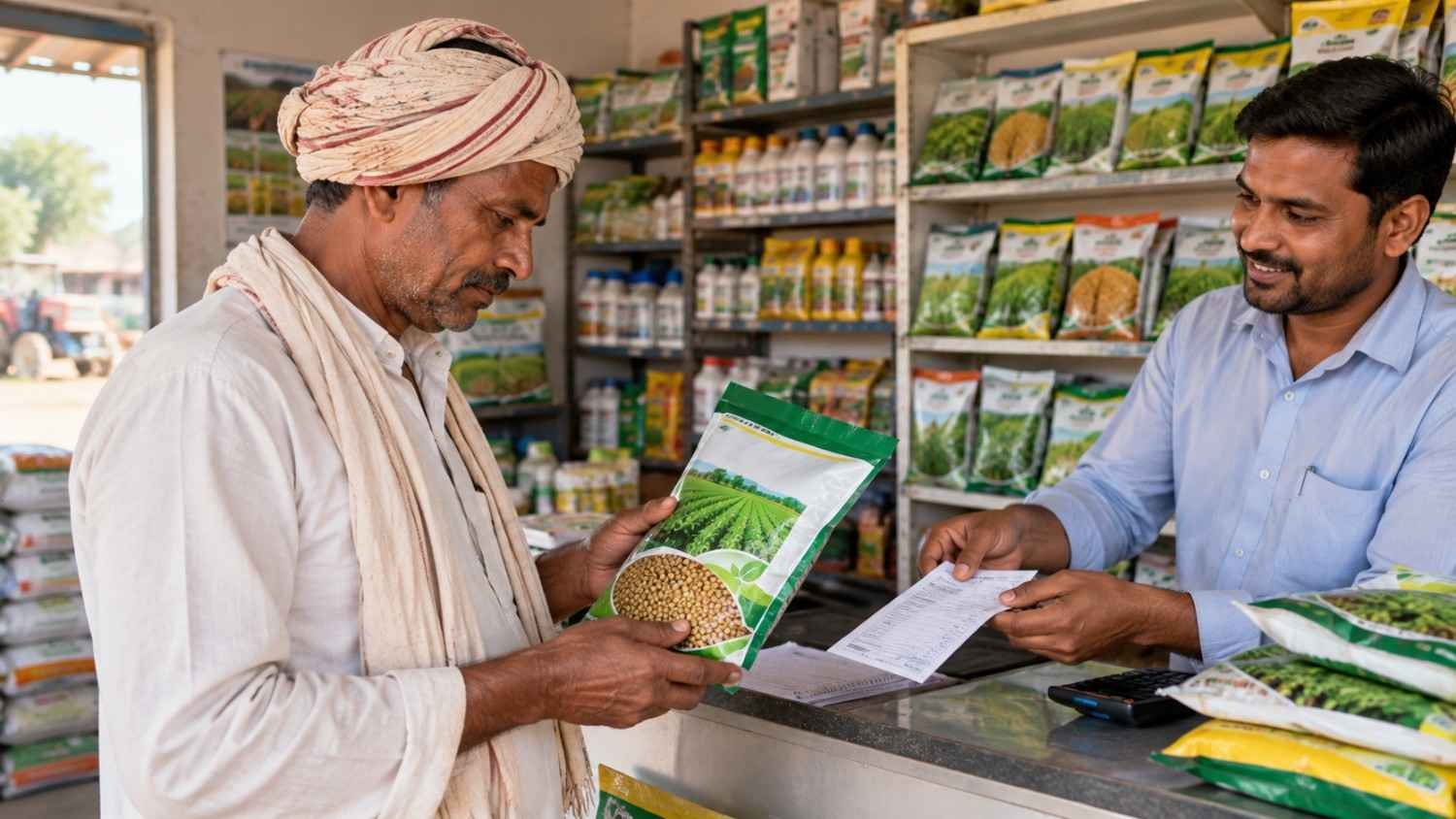
Buying from the right place matters as much as the price. Here are safe options:
- Government seed agencies: National Seeds Corporation and state seed corporations sell tested seed at fair rates.
- Agricultural universities and KVKs: They often sell seeds of their own released varieties and give free advice.
- Authorised seed dealers: Buy from a licensed shop near you and always take a bill.
- Farmer groups and cooperatives: Bulk buying can bring the price per kg down.
- Trusted online sellers: Online listings are useful for comparing rates. But check the seller's reviews, ask for a lot of details, and avoid paying full money in advance.
Simple Checklist Before You Buy
- The packet should show the variety name, lot number, and packing date.
- Look for the germination percentage and purity on the tag.
- Do not buy open, unlabelled seed sold as "certified".
- Keep the bill and the empty packet until harvest.
- Check for broken, shrivelled, or mouldy seeds.
You can also test germination at home. Put 100 seeds in a wet cloth for a few days and count how many sprouts. Good seeds should show a high sprouting rate. Always compare the guar seed price from two or three dealers before you pay.
Conclusion
Guar can be a strong income crop in dry areas, but the market never stands still. In September 2026, mandi rates are near ₹65 to ₹67 per kg, while sowing seed costs more depending on variety and quality. Rain, factory demand, old stock, and export orders will keep moving the guar seed price in the months ahead. Keep an eye on the guar seed price every week, so you can sow and sell at the right time.
The best step you can take is buying good seed. Spending a little more on certified seed from a trusted source often means better germination, stronger plants, and a bigger harvest. Track the mandi rate, compare a few dealers, and sell when the price suits you.
Ready to Sow a Better Guar Crop?
Get certified guar seed at a fair price, with clear quality details on every pack. Call or WhatsApp our team today to check stock, get a quote, and choose the right variety for your farm.

Leave a comment


Comments(0)