
Blog
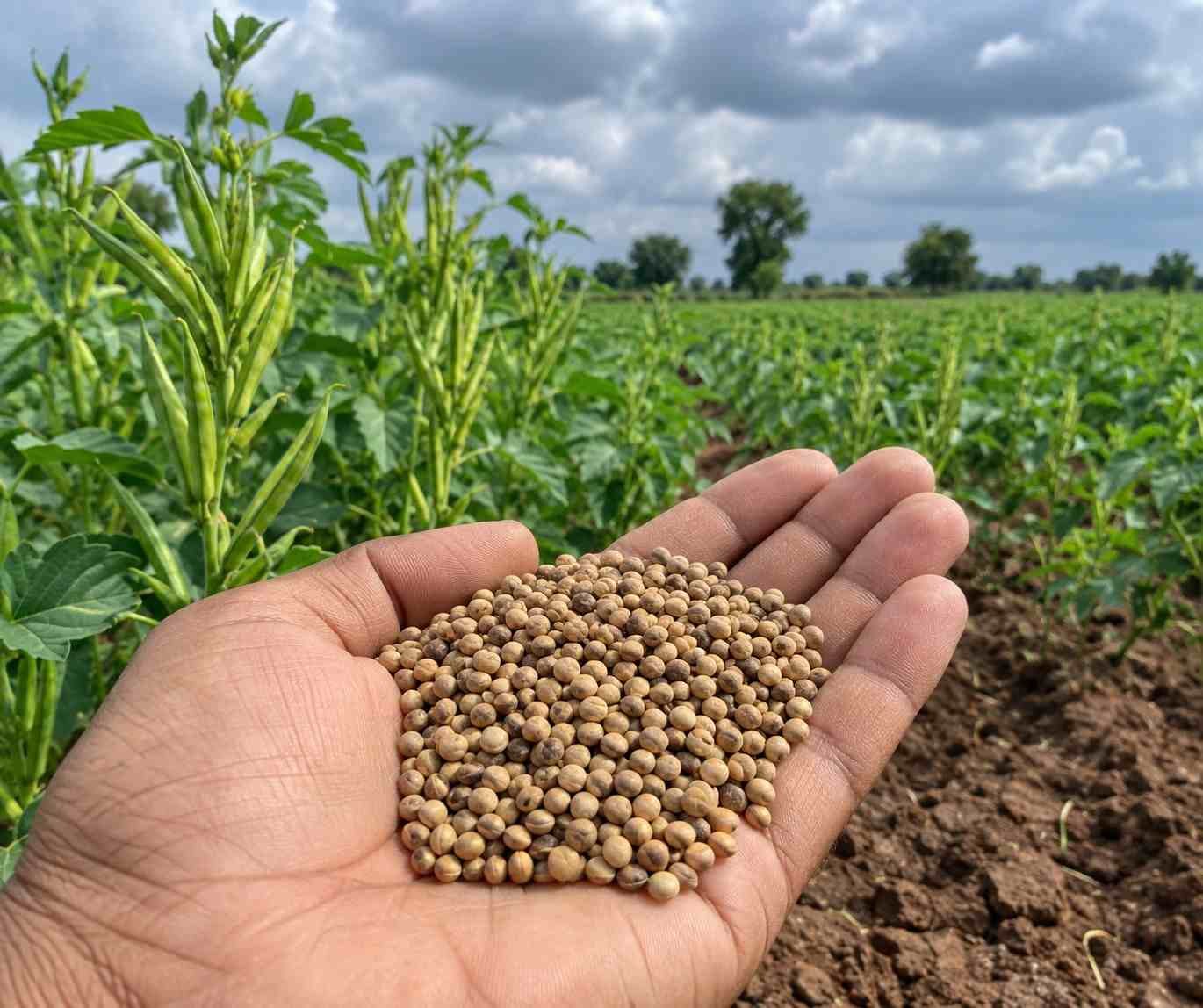
Guar Seed Selection Guide: How to Choose the Right Variety for Your Farm
Guar seed selection guide — Best varieties & tips
Introduction
Choosing the right seed matters. This Guar seed selection guide walks you through variety selection, sowing time, seed rate and where to buy certified seed you can trust. Agri Raise Crop Care works directly with farmers across guar-growing belts, and this guide reflects what actually works in the field.
Choosing the wrong guar seed costs you money before the season even starts. Poor germination, low pod count, and disease loss all trace back to one decision: which seed you buy.
Quick Answer
The best guar seed variety depends on your soil, rainfall, and market goal (gum content vs. grain yield). For most farmers, a certified, disease-resistant, high-yield guar seed sown at the right time with correct spacing gives the best return. Buy only from a certified guar seeds supplier and check germination percentage before sowing.
Table of Contents
- Why Guar seed selection matters
- Best Guar Seed Variety Options
- How to Read a Guar Seed Label Before You Buy
- Guar Seed Rate Per Acre
- Guar Seed Sowing Time
- Guar Seed Germination Tips
- Comparison Table: Popular Guar Seed Varieties
- Benefits Table: Certified vs Uncertified Seed
- Step-by-Step Guide to Selecting Guar Seed
- Guar Seeds Price and Guar Seed Mandi Bhav
- Guar Seed Shelf Life and Storage
- Expert Tips
- Common Mistakes to Avoid
- Key Takeaways
- Conclusion
- FAQ
Why Guar seed selection matters
Guar, also called cluster bean, is a drought-hardy legume grown mainly for its gum, which is used in food, textile, and oil drilling industries. It's also a good rotation crop because it fixes nitrogen in the soil.
Seed selection matters because guar is sensitive to timing and moisture at germination. A weak seed lot fails fast in dry soil. A strong, certified seed lot survives short dry spells and still gives you a full stand.
Your seed choice affects three things directly:
- Final plant population in the field
- Pod load per plant
- Resistance to bacterial blight and root rot
Best Guar Seed Variety Options
There is no single "best" variety for every region. The right choice depends on your rainfall pattern and whether you're selling for gum content or grain.
Commonly grown varieties in India include:
- RGC-1066 – Known for higher gum content, suited to Rajasthan's arid belt.
- HG-2-20 – A short-duration variety, useful when monsoon arrives late.
- RGC-936 – Popular for its bacterial blight tolerance.
- HG-365 – Preferred where irrigation is available, gives higher grain yield.
Ask your local Krishi Vigyan Kendra (KVK) or seed dealer which variety performs best in your specific block, since local trial data often beats general recommendations.
How to Read a Guar Seed Label Before You Buy
Before buying, check the seed bag tag for:
- Germination percentage (should be 70% or higher)
- Purity percentage (should be above 98%)
- Lot number and packing date
- Certification mark (state seed certification agency or NSC)
If a bag has no tag or a torn tag, don't buy it. This is the easiest way to avoid duplicate or old seed.
Guar Seed Rate Per Acre
Guar seed rate per acre depends on rainfall and row spacing.
- Rainfed conditions: 8–10 kg seed per acre
- Irrigated conditions: 6–8 kg seed per acre
- Row spacing: 30–45 cm between rows, 10–15 cm between plants
Lower seed rate with wider spacing works better in low-rainfall years because plants compete less for moisture.
Guar Seed Sowing Time
Guar seed sowing time is closely tied to the monsoon.
- Kharif sowing: Last week of June to mid-July, right after the first good monsoon rain
- Summer sowing (irrigated areas only): March to April
Sowing too early into dry soil wastes seed. Sowing too late shortens the growing window and lowers pod formation. Wait for at least 20–25 mm of rain before sowing under rainfed conditions.
Guar Seed Germination Tips
Good germination starts before the seed touches soil.
- Soak seeds in water for 8–10 hours before sowing to soften the seed coat
- Treat seed with Rhizobium culture to improve nodulation and nitrogen fixation
- Sow at 3–4 cm depth; deeper sowing delays emergence
- Avoid sowing into waterlogged or crusted soil
- Use a seed treatment fungicide if root rot has been a problem in your field before
Seeds treated this way typically emerge in 5–7 days under normal moisture.
Comparison Table: Popular Guar Seed Varieties
|
Variety |
Duration (Days) |
Gum Content |
Best Suited For |
|
RGC-1066 |
90–100 |
High |
Arid, rainfed regions |
|
HG-2-20 |
75–80 |
Medium |
Late monsoon areas |
|
RGC-936 |
95–100 |
Medium-High |
Blight-prone fields |
|
HG-365 |
100–110 |
Medium |
Irrigated farms |
Benefits Table: Certified vs Uncertified Seed
|
Factor |
Certified Guar Seed |
Uncertified Seed |
|
Germination rate |
70–90% guaranteed |
Unpredictable |
|
Genetic purity |
Verified |
Not verified |
|
Disease resistance |
As per variety trait |
Unknown |
|
Traceability |
Lot number and source known |
No record |
|
Yield consistency |
Reliable |
Variable |
Step-by-Step Guide to Selecting Guar Seed
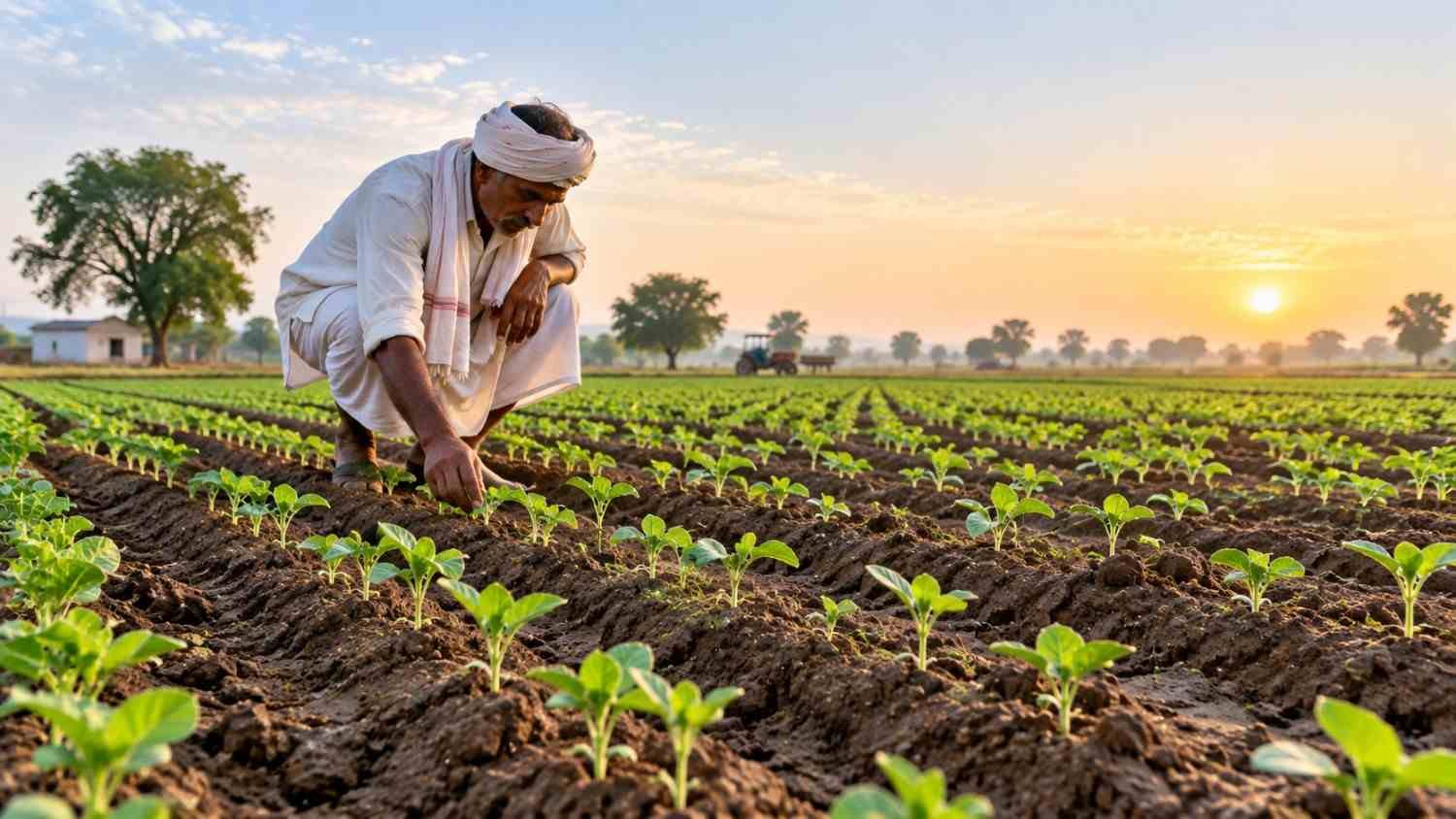
- Check your soil and rainfall pattern for the season.
- Decide your goal – higher gum content or higher grain yield.
- Shortlist 2–3 varieties suited to your region.
- Buy from a certified guar seeds supplier only.
- Verify the seed tag for germination and purity percentage.
- Do a home germination test on 100 seeds before full sowing.
- Treat seed with Rhizobium and fungicide before sowing.
- Sow at the right time and depth based on your rainfall zone.
Guar Seeds Price and Guar Seed Mandi Bhav
Guar seeds price for sowing purposes is different from guar seed mandi bhav, which refers to the market rate for guar as a commodity crop.
Sowing seed price depends on variety, certification, and packaging size, and it usually costs more than mandi-traded grain because it is quality-tested for germination.
Mandi bhav fluctuates with:
- Monsoon performance across guar belts
- Industrial demand for guar gum
- Export orders from gum processing units
Always check your local mandi board rate or agriculture market portal before selling your harvest, since prices can shift week to week.
Guar Seed Shelf Life and Storage
Guar seed shelf life is typically 12 months from the packing date when stored correctly.
To protect seed quality:
- Store in a cool, dry place away from direct sunlight
- Keep moisture content below 9%
- Avoid storing seed bags directly on the floor; use a wooden pallet
- Check for pest activity every few weeks during storage
Seed stored beyond one year should be re-tested for germination before use, even if it looks fine.
Expert Tips
- Do a jute-bag germination test at home: wrap 100 seeds in a damp cloth for 4–5 days and count how many sprout.
- Rotate guar with a cereal crop like bajra to break pest cycles.
- Don't save seed from a mixed or diseased field for next season's sowing.
- Buy slightly more seed than your calculated rate to cover germination gaps.
Common Mistakes to Avoid
- Sowing before adequate soil moisture is available
- Ignoring the seed tag and buying loose, unbranded seed
- Using leftover seed from last year without a germination check
- Sowing too deep in heavy soil
- Choosing a variety based on price alone instead of local suitability
Key Takeaways
- Match the variety to your rainfall and market goal, not just price.
- Always buy from a certified guar seeds supplier with a valid tag.
- Correct seed rate and sowing time protect your yield more than any single input later in the season.
- Store seed properly to protect shelf life and next season's germination.
Conclusion
Good guar farming starts at the seed counter, not in the field. A certified, well-suited variety sown at the right time gives your crop the best chance against dry spells and disease. Take the extra step to check the tag, test germination, and match the variety to your land before you buy.
Strong CTA
Need help picking the right guar seed variety for your soil and rainfall zone? Talk to the Agri Raise Crop Care team for certified seed options and sowing guidance suited to your region.
FAQ
1. What is guar called in English?
Guar is commonly called cluster beans in English. Its scientific name is Cyamopsis tetragonoloba. Guar is widely grown in India and is used for vegetables, animal feed, and industrial purposes like making guar gum.
2. What is guar good for ?
Guar is good for both health and farming purposes. It improves digestion, helps control blood sugar, and is rich in fiber. In agriculture, guar is used as a drought-resistant crop and also improves soil fertility through nitrogen fixation.
3. Where is guar grown in India?
Guar is mainly grown in Rajasthan, Haryana, Gujarat, and Punjab. Rajasthan is the largest producer due to its dry climate, which is ideal for guar farming. These regions contribute majorly to India’s guar seed production.
4. What are the health benefits of guar seeds?
Guar seeds are rich in dietary fiber, protein, and nutrients. They help in improving digestion, controlling cholesterol levels, and managing blood sugar. Guar also supports gut health and is beneficial for weight management.
5. What are the side effects of guar?
Excess consumption of guar may cause bloating, gas, or digestive discomfort. In some cases, it can interfere with nutrient absorption. People with digestive issues should consume guar in moderate amounts and consult a doctor if needed.

Leave a comment


Comments(0)