
Blog
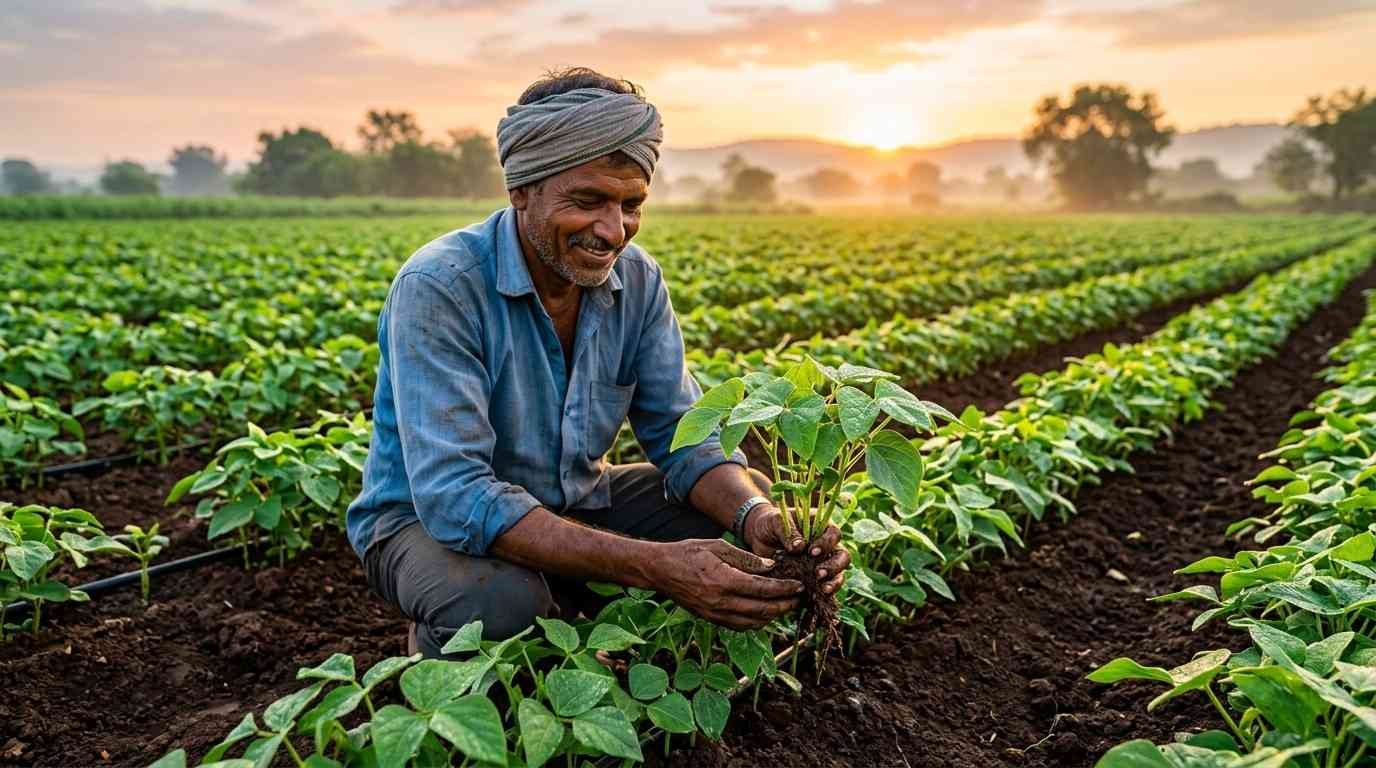
Green Gram Seed Germination: Tips for Better Results
Green Gram Seed Germination: Tips for Better Results
Introduction
Green gram is also called mung bean. It is a very useful crop grown in India. Farmers grow it because it has lots of protein. It also grows quickly and does not take much time. Green gram also helps make the soil healthier and stronger. But before a good harvest, seeds must first germinate well. Germination means the seed starts to grow into a small plant. Even good soil cannot help if seeds do not germinate properly. When seeds sprout evenly, the plants grow strong and healthy. Strong plants give farmers a better and bigger harvest. Seeds need water, warmth, and air to germinate well. Learning these simple steps helps farmers grow better crops. It also helps them save money and reduce waste.
Understanding Green Gram Seed Germination
Seed germination is the process of a seed becoming a small plant. First, the seed drinks water and starts to wake up inside. This water helps the seed begin important activities to grow. The tiny root breaks out of the seed and grows downward. Then a small shoot begins to grow upward toward the sunlight. Slowly, the shoot pushes through the soil and reaches the air. Finally, a young seedling appears above the ground, ready to grow.
The germination process generally includes four stages:
Water Absorption (Imbibition)
Dry seeds rapidly absorb water from the surrounding soil. This triggers enzyme activity inside the seed.
Enzyme Activation
Stored starches, proteins, and fats turn into energy that fuels early plant growth.
Root Emergence
The radicle breaks through the seed coat to absorb water and nutrients.
Shoot Development
The plumule grows into the stem and leaves for photosynthesis.
Factors That Affect Green Gram Seed Germination
Several environmental and biological factors influence germination success.
Seed Quality
Seed quality is arguably the most important factor affecting crop success. Certified, disease-free seeds with high genetic purity consistently germinate better than seeds that are old, poorly stored, or physically damaged.
Healthy seeds should be:
- Uniform in size
- Free from insect damage
- Disease-free
- Clean and mature
- High in germination percentage
Soil Temperature
Green gram performs best when soil temperatures remain between 25°C and 35°C. Extremely cold conditions delay germination, while excessive heat can damage emerging seedlings.
Soil Moisture
Adequate moisture is essential. Seeds require enough water to activate internal enzymes but not so much that oxygen becomes unavailable.
Dry soils delay germination, whereas waterlogged fields often cause seed decay.
Oxygen Availability
Seeds need oxygen for respiration. Compacted soils restrict airflow and reduce germination rates. Loose, well-aerated soil encourages healthy root development.
Light Conditions
Unlike some crops, green gram seeds do not require direct sunlight for germination. Instead, they depend on proper moisture and temperature.
Choosing High-Quality Green Gram Seeds
Choosing high-quality certified seeds is one of the most important steps for achieving better germination and higher yields. Farmers looking for premium green gram seeds can explore AR Green Gold and AR Super Gold , which are developed for strong germination, healthy crop establishment, and improved productivity.
High-quality seeds are the cornerstone of successful farming.
When purchasing seeds, always consider:
- Certified seed source
- High germination percentage
- Disease resistance
- Uniform seed size
- Proper packaging
- Recent production year
Certified seeds generally undergo rigorous quality testing, ensuring better field performance.
Preparing the Soil Before Sowing
Proper land preparation creates ideal conditions for seed emergence.
Suitable Soil
Green gram grows well in:
- Sandy loam
- Loam
- Well-drained clay loam soils
Avoid fields prone to prolonged water stagnation.
Soil pH
The ideal soil pH ranges between 6.2 and 7.5.
Highly acidic or alkaline soils reduce nutrient availability and hinder seedling development.
Land Preparation
Prepare a fine seedbed by:
- Removing weeds
- Breaking soil clods
- Leveling the field
- Incorporating well-decomposed organic manure
A well-prepared seedbed ensures uniform seed placement and better moisture retention.
Best Time to Sow Green Gram Seeds
The ideal sowing period depends on the growing season.
Kharif Season
Sow with the onset of monsoon rains to utilize natural soil moisture.
Summer Season
Use irrigation to maintain consistent moisture levels during germination.
Regional Considerations
Always follow local agricultural recommendations regarding sowing dates, as climate varies across regions.
Step-by-Step Green Gram Seed Germination Process
Step 1: Seed Treatment
Treat seeds with recommended fungicides or biological agents to protect against seed-borne diseases.
Rhizobium inoculation enhances nitrogen fixation and promotes healthy root development.
Step 2: Proper Sowing Depth
Maintain a sowing depth of 3–5 cm.
Shallow sowing may expose seeds to birds and drying, while deep sowing delays emergence.
Step 3: Correct Row Spacing
Recommended spacing:
- Row spacing: 30–45 cm
- Plant spacing: 10–15 cm
Proper spacing minimizes competition for nutrients, sunlight, and water.
Step 4: Initial Irrigation
Provide light irrigation immediately after sowing if rainfall is insufficient.
Avoid excessive watering during the first few days.
Essential Tips for Better Germination
Use Fresh Seeds
Fresh seeds generally possess greater vigor and higher germination percentages.
Maintain Uniform Moisture
Keep the soil consistently moist without creating waterlogged conditions.
Prevent Soil Crusting
After heavy rain or irrigation, gently break surface crusts if they restrict seedling emergence.
Apply Bio-fertilizers
Bio-fertilizers improve nutrient availability while encouraging beneficial microbial activity.
Monitor Pest Activity
Seeds must be protected from termites, ants, rodents, and soil germs. These pests can eat seeds and reduce the number of plants that grow.
Common Germination Problems and Their Solutions
Poor Germination
Possible Causes
- Old seeds
- Low moisture
- Poor seed quality
Solutions
- Use certified seeds
- Maintain proper irrigation
- Store seeds correctly
Seed Rot
Possible Causes
- Waterlogging
- Fungal infection
Solutions
- Improve drainage
- Treat seeds before sowing
Uneven Seedling Emergence
Possible Causes
- Uneven sowing depth
- Soil compaction
Solutions
- Calibrate sowing equipment
- Prepare a fine seedbed
Environmental Stress
Unexpected heat, drought, or heavy rainfall can reduce germination. Timely irrigation and proper field management help minimize these risks.
Post-Germination Care
Healthy seedlings require continuous attention during the first few weeks.
Irrigation
Water only when necessary. Excess moisture encourages disease development.
Nutrient Management
Apply balanced fertilizers based on soil test recommendations. Green gram also benefits from micronutrients where deficiencies exist.
Weed Control
Early weed management prevents competition for water, nutrients, and sunlight. Mechanical weeding or appropriate herbicides can be used depending on field conditions.
Mistakes Farmers Should Avoid
Many germination failures result from avoidable mistakes.
Avoid:
- Sowing seeds too deeply
- Over-irrigating fields
- Using poor-quality or expired seeds
- Ignoring soil testing
- Planting in compacted soil
- Skipping seed treatment
- Delaying sowing after seed treatment
- Neglecting drainage in heavy soils
Correcting these common errors can dramatically improve crop establishment.
Benefits of Achieving Better Germination
Strong germination delivers advantages throughout the crop cycle.
Higher Plant Population
More seeds successfully emerge, leading to better field coverage.
Uniform Crop Growth
Even emergence simplifies irrigation, fertilizer application, and harvesting.
Better Disease Tolerance
Healthy seedlings are generally more resilient against environmental stress and certain diseases.
Increased Yield
A well-established crop utilizes available resources more efficiently, contributing to higher grain production.
Improved Farm Profitability
When seeds grow well the first time, farmers don't need to plant again. This saves seeds, time, and money, and gives better profits.
Frequently Asked Questions
What is the ideal temperature for green gram seed germination?
Green gram seeds germinate best when soil temperatures range between 25°C and 35°C.
How deep should green gram seeds be sown?
A sowing depth of 3–5 cm is generally recommended for uniform emergence.
Should green gram seeds be treated before sowing?
Yes, seeds should be treated with fungicide or Rhizobium culture. This improves germination and protects against diseases.
How many days does green gram take to germinate?
Green gram seeds usually germinate within 4-7 days. This depends on soil moisture and temperature.
Why do green gram seeds fail to germinate?
Poor quality seeds, wrong moisture level, or sowing too deep can cause this. Fungal infection can also stop germination.
Conclusion
Green gram is a small green bean that farmers grow for food. To grow it well, farmers must start with good, healthy seeds. The soil should be soft and clean before planting begins. Seeds must be planted at the right depth in the ground. The soil also needs enough water, but not too much. Farmers treat seeds with special care to stop diseases early. Good seeds and good soil help plants grow strong and healthy. Strong young plants grow into a better, bigger harvest later. When farmers watch their fields and take care of them, they get more green grams and better profits.
Ready to Grow Better Green Gram Crops?
Looking for high-quality green gram seeds with excellent germination and field performance? Agri Raise Crop Care Pvt. Ltd. offers premium seed varieties that help farmers achieve healthy crop establishment and better yields.

Leave a comment


Comments(0)