
Blog
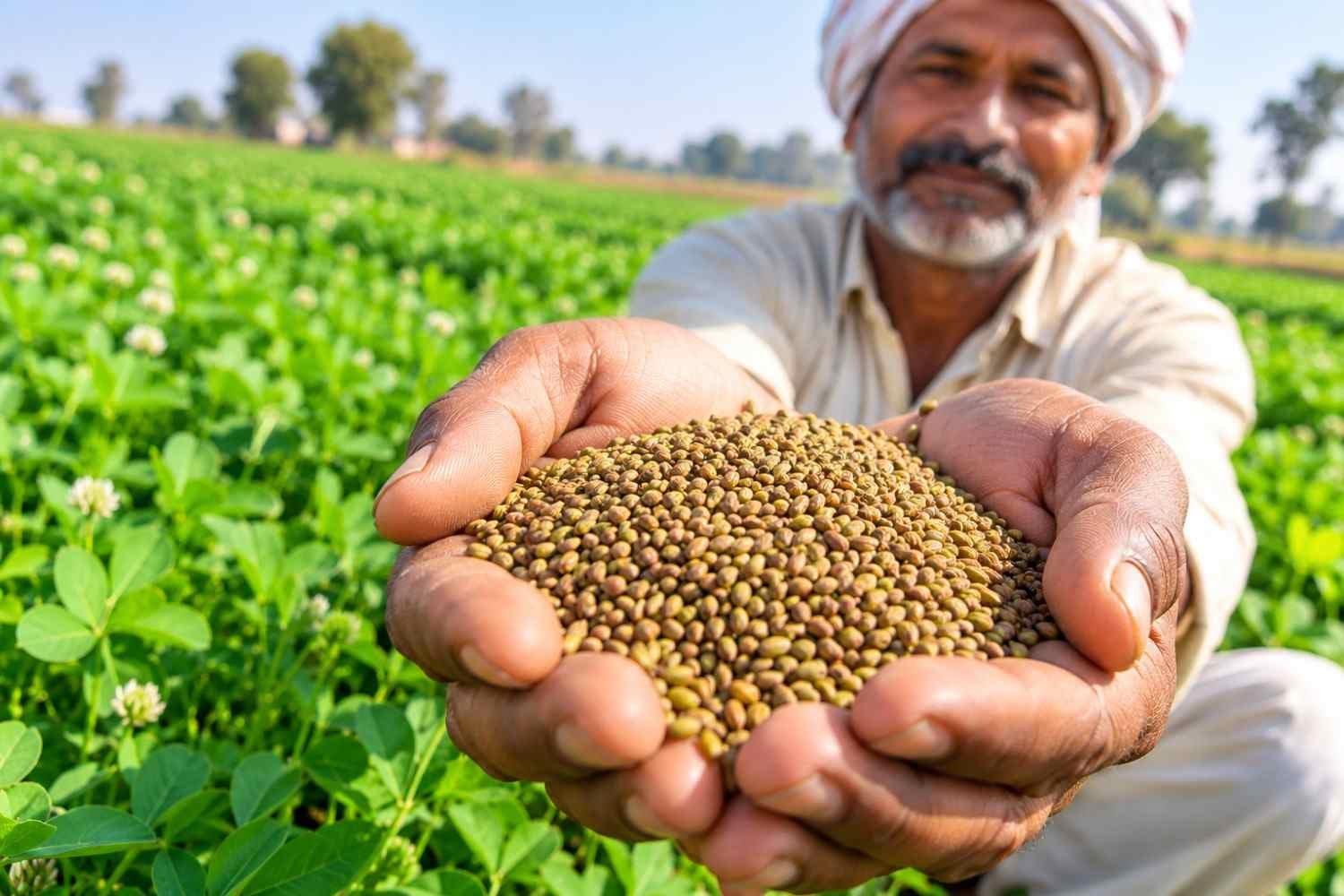
Berseem Seeds Farming in India: Complete Guide for High Fodder Yield (2026)
Introduction
Berseem Seeds Farming in India: Complete Overview
Berseem seeds farming in India is one of the most profitable fodder crop practices for dairy farmers. It provides high-quality green fodder that helps increase milk production and reduce feeding costs.
Today, berseem seeds farming in India is becoming more popular due to its high yield and low cost. Farmers can take multiple cuttings from a single crop, making it a reliable option for continuous fodder supply.
With proper farming practices and the use of high-quality seeds, berseem cultivation can significantly improve milk production and reduce feeding costs.
According to agricultural research, berseem is a high-protein fodder crop widely used in dairy farming.
Importance of Berseem in Dairy Farming
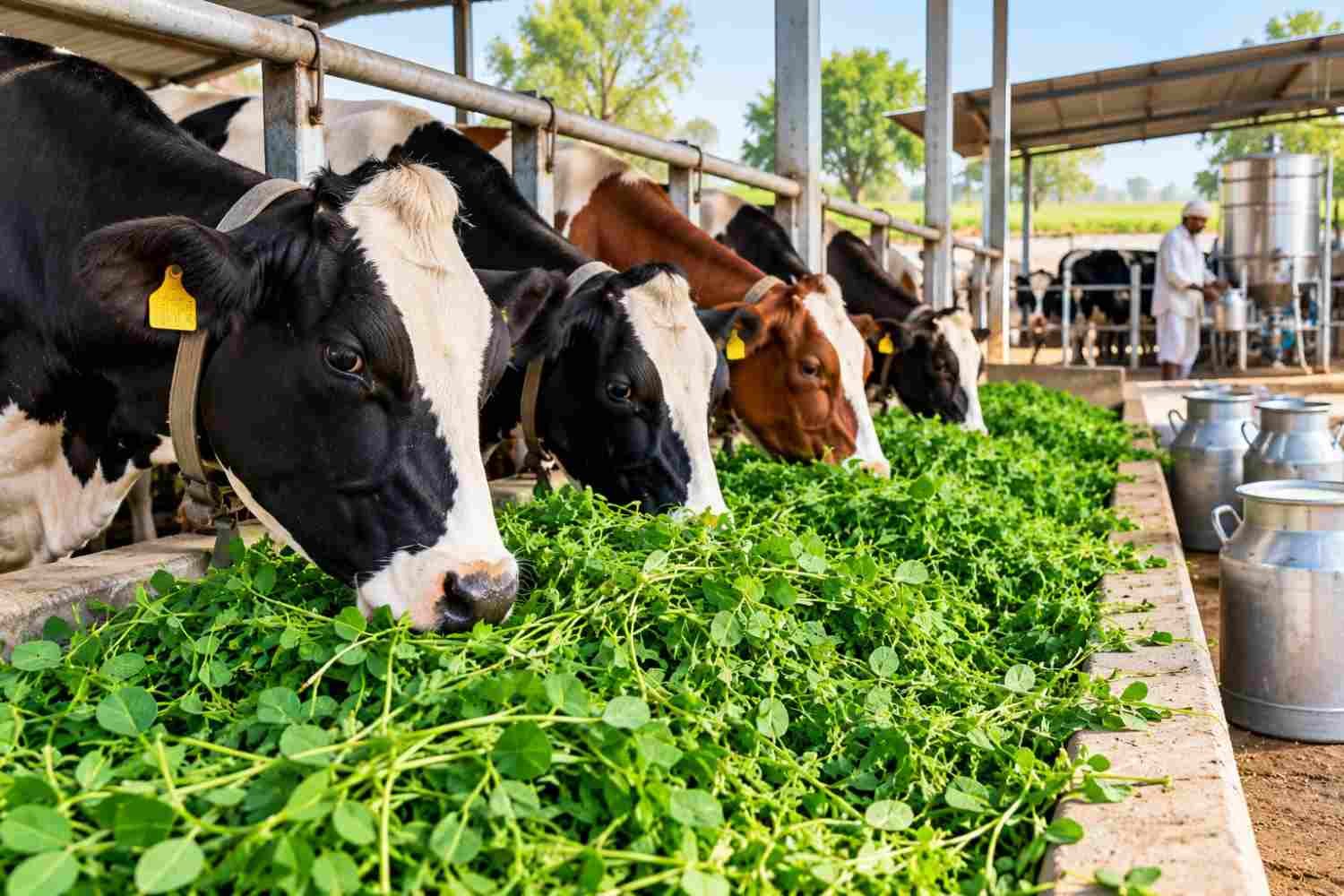
Berseem is a leguminous crop that is rich in protein and essential nutrients.
Key Benefits:
- Improves milk production
- Enhances digestion in animals
- Provides multiple fodder cuttings
- Reduces feed cost
- Improves soil fertility naturally
It is one of the best green fodder crops for dairy farmers.
Climate and Soil Requirements
Berseem grows best in cool weather conditions.
Ideal Conditions:
- Temperature: 15°C to 25°C
- Soil: Loamy to clay soil
- pH Level: 6.5 to 8
- Moisture: Regular irrigation required
Avoid waterlogging, as it can damage the crop.
Soil Preparation & Fertilizer Requirements
Proper soil preparation ensures better germination and growth.
Land Preparation:
- Plough the field 2–3 times
- Remove weeds and residues
- Level the field properly
- Prepare a fine seedbed
Fertilizer Application:
- Nitrogen: 20–25 kg/ha
- Phosphorus: 60–75 kg/ha
- Farmyard manure: 10–15 tons/ha
Balanced fertilization improves crop growth and yield.
How to Choose High-Quality Berseem Seeds
Seed quality plays a major role in crop success.
Selection Tips:
- High germination rate
- Clean and impurity-free seeds
- Disease-resistant quality
- Properly processed seeds
Using premium-quality berseem seeds ensures better growth, uniform germination, and higher fodder yield.
Seed Rate, Sowing Time & Method
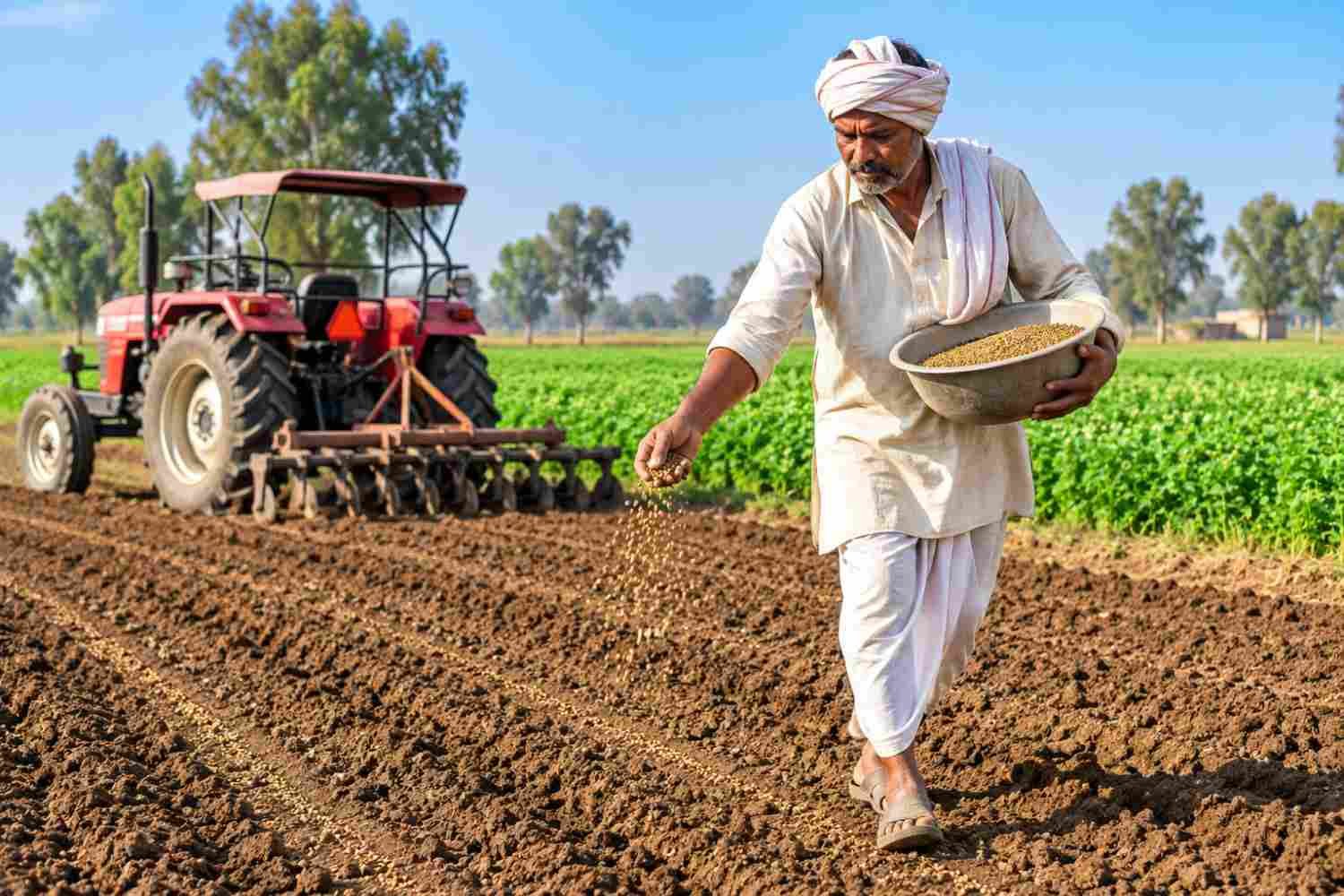
Seed Rate:
- 8–10 kg per acre
Sowing Time:
- October to November
Sowing Method:
- Broadcasting method
- Line sowing for better management
Tips:
- Sow seeds at shallow depth (1–2 cm)
- Mix seeds with sand for uniform distribution
Seed Treatment for Better Germination
Seed treatment improves crop performance.
Important Practices:
- Use bio-fertilizer (Rhizobium culture)
- Protect seeds from fungal diseases
Benefits:
- Better root development
- Increased nitrogen fixation
- Higher yield
Weed Management in Berseem Farming
Weeds can reduce crop productivity.
Common Issue:
- Weed seeds mixed with berseem seeds
Solution:
- Use clean and processed seeds
- Follow proper seed treatment
- Remove weeds at early stage
Proper weed management ensures healthy crop growth.
Irrigation Management
Water management is important for berseem growth.
Irrigation Schedule:
- First irrigation after sowing
- Second after 7–10 days
- Then every 10–15 days
Tips:
- Avoid overwatering
- Ensure proper drainage
Growth and Development Stages
5
Stages:
- Germination stage
- Vegetative growth
- First cutting stage
- Regrowth phase
Harvesting & Cutting Management
First Cutting:
- 50–55 days after sowing
Next Cuttings:
- Every 25–30 days
Total Cuttings:
- 4–6 times
Tips:
- Maintain proper cutting height
- Avoid late harvesting
Proper cutting improves regrowth and yield.
Feeding Berseem to Animals
Berseem is highly nutritious for livestock.
Benefits:
- Increases milk yield
- Improves animal health
Important Tip:
- Mix with dry fodder before feeding
- Avoid feeding on empty stomach
Berseem Fodder Yield per Acre
Average Yield:
- 300–400 quintals per acre
Depends On:
- Seed quality
- Irrigation
- Fertilizer
- Crop management
Berseem Farming Profit
Cost:
- Seeds
- Labor
- Irrigation
- Fertilizer
Benefits:
- Reduced feeding cost
- Increased dairy production
Berseem farming is highly profitable for farmers.
Common Mistakes to Avoid
- Deep sowing
- Low-quality seeds
- Improper irrigation
- Poor weed control
Tips to Increase Yield
- Use certified, high-quality seeds
- Maintain proper irrigation
- Follow correct cutting schedule
- Apply balanced fertilizers
Choosing the Right Berseem Seeds
For best results, farmers should always choose premium-quality berseem seeds with high germination rate and purity.
Good seed quality directly affects:
- Crop growth
- Fodder yield
- Dairy productivity
Investing in the right seeds ensures better returns and long-term benefits.
Conclusion
Berseem is one of the best fodder crops for dairy farmers in India. With proper farming practices and the use of high-quality seeds, farmers can achieve high yield and improve livestock productivity.
For best results, choose high-quality berseem seeds from trusted suppliers.
If you are planning berseem farming, focus on quality seeds and proper crop management for the best results.
FAQs
What is the price of 1 kg of berseem seeds?
Answer:
The price of berseem seeds in India ranges from ₹150 to ₹300 per kg, depending on seed quality and variety.
What are the benefits of berseem seeds?
Answer:
Berseem seeds produce high-protein green fodder, improve milk production, and offer multiple cuttings with high yield.
Why is berseem called the king of fodder?
Answer:
Berseem is called the king of fodder due to its high nutritional value, soft leaves, and ability to give multiple harvests.
What is the best time to plant berseem?
Answer:
The best time to sow berseem in India is from October to November for optimal growth and high yield.
What are the best berseem seeds?
Answer:
The best berseem seeds are high-germination, disease-resistant varieties suitable for local climate and soil conditions.
Call to Action
Start berseem farming with the right approach
Choose high-quality seeds for better yield and profit

Leave a comment


Comments(0)