
Blog
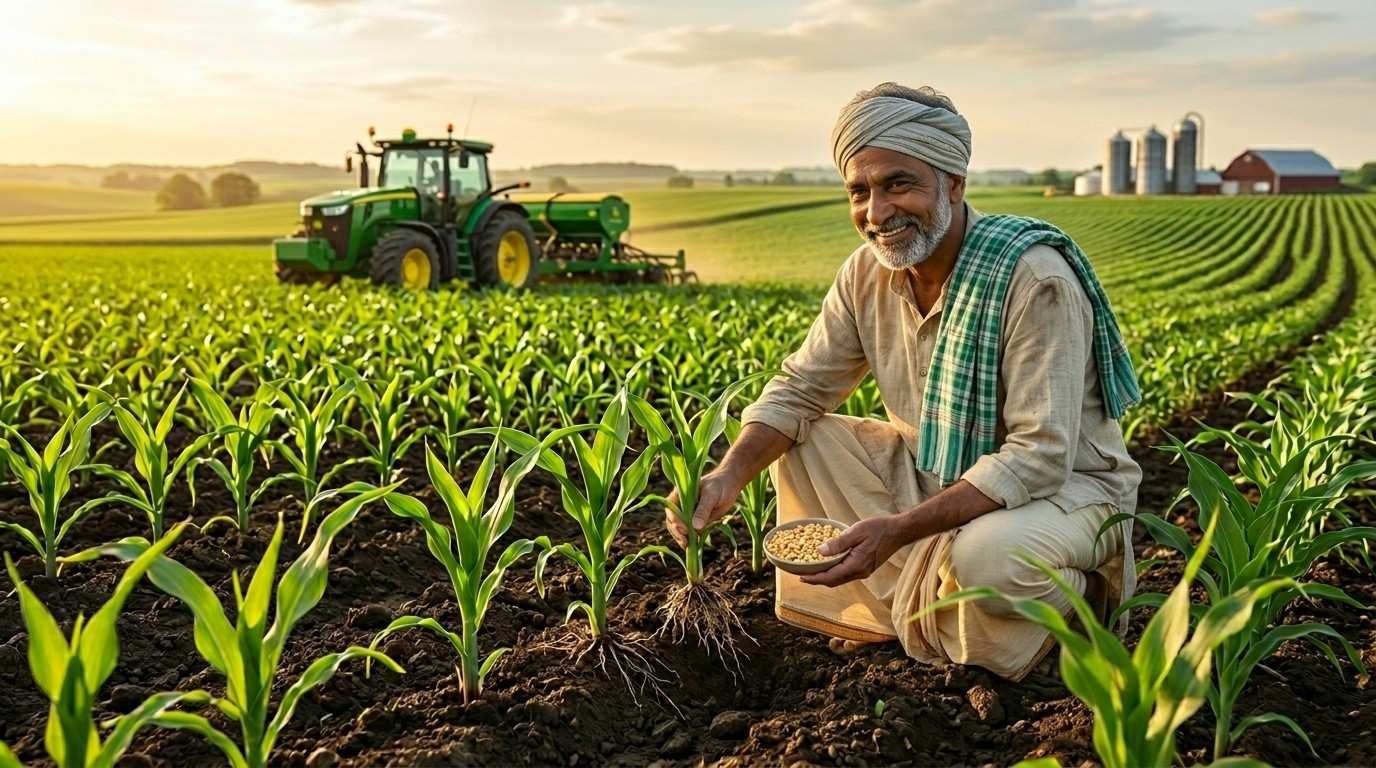
Why Seed Quality Matters in Modern Farming
Why Seed Quality Matters in Modern Farming
Modern farming depends on healthy soil, water, fertilizers, and technology. However, one of the most important factors is often overlooked—seed quality. The success of a crop begins with the seed. Poor-quality seeds can reduce crop yields, even with good farming practices. This is why understanding seed quality importance is essential for every farmer.
High-quality seeds provide a strong foundation for healthy crop growth. They help improve germination rates, increase productivity, and support sustainable farming practices. Investing in quality seeds helps farmers maximize results.
What Is Seed Quality, and Why Is It Important?
Seed quality refers to the overall condition and performance potential of a seed. A high-quality seed is pure, clean, healthy, and produces strong seedlings. Good seed quality ensures uniform crop growth and helps farmers achieve consistent production.
The importance of seed quality can be seen from the very beginning of the crop cycle. Seeds with high germination rates emerge quickly and establish healthy root systems. This early advantage allows plants to compete better for nutrients, water, and sunlight.
Poor-quality seeds can lead to uneven germination, weak growth, disease, and lower yields. High-quality seeds are essential for agricultural success.
Benefits of Using High-Quality Seeds
Better Germination Rates
One of the primary benefits of quality seeds is improved germination. Germination is the process by which a seed develops into a young plant. High-quality seeds germinate better under ideal conditions.
Better germination leads to:
- Uniform crop establishment
- Reduced seed wastage
- Stronger plant populations
- Improved field management
A uniform crop stand simplifies irrigation, fertilization, and pest control for farmers.
Higher Crop Yield
Yield is one of the most important indicators of farming success. Quality seeds enhance productivity due to their superior genetics and strong growth.
Plants grown from high-quality seeds typically:
- Produce more fruits, grains, or vegetables
- Utilize nutrients more efficiently
- Grow more uniformly
- Mature at the right time
As a result, farmers can harvest larger quantities of produce and increase profitability.
Improved Disease Resistance
Many improved seed varieties are developed with resistance to specific diseases and pests. Disease-resistant seeds reduce crop losses and minimize the need for chemical treatments.
Healthy plants withstand environmental stresses and maintain productivity better. This not only improves yield but also lowers production costs.
Better Adaptability to Environmental Conditions
Modern agriculture faces challenges such as climate change, irregular rainfall, and extreme temperatures. High-quality seeds are often bred to perform well under various environmental conditions.
These seeds help farmers:
- Handle drought conditions
- Tolerate heat stress
- Adapt to changing weather patterns
- Maintain stable production levels
This adaptability makes seed quality a key factor in sustainable farming.
Seed Quality and Sustainable Agriculture
Sustainable agriculture aims to meet current food needs without compromising future generations. Seed quality plays an important role in achieving this goal.
High-quality seeds contribute to sustainability by:
- Increasing productivity on existing farmland
- Reducing the need for excessive inputs
- Improving resource efficiency
- Supporting environmentally friendly farming practices
Quality seeds help farmers produce more food with fewer resources. This helps protect soil health, conserve water, and reduce environmental impact.
Better-performing crops need fewer pesticides, promoting safer, sustainable agriculture.
Factors Affecting Seed Quality
Several factors determine whether a seed is considered high quality.
Genetic Purity
Genetic purity ensures the seed is the intended variety with desired characteristics. Pure seeds produce crops with consistent growth, appearance, and performance.
Maintaining genetic purity ensures uniform crop development and productivity.
Physical Purity
Physical purity refers to the absence of unwanted materials such as:
- Weed seeds
- Broken seeds
- Dirt and debris
- Other crop seeds
Clean seed lots improve planting efficiency and reduce competition from unwanted plants.
Germination Capacity
A quality seed should have a high germination percentage. Germination testing reveals how many seeds will likely grow into healthy seedlings.
Farmers should always check seed labels and certifications to ensure adequate germination rates.
Seed Health
Healthy seeds are free from diseases, insects, and fungal infections. Infected seeds can spread problems throughout a field and reduce crop performance.
Seed health testing helps identify potential issues before planting.
Moisture Content
Proper moisture levels are essential for maintaining seed viability during storage. Excess moisture can encourage mold growth and reduce seed quality.
Farmers should store seeds in cool, dry environments to preserve their performance.
How Farmers Select Quality Seeds
Selecting the right seeds is one of the most important decisions a farmer makes each season. Several practices can help ensure seed quality.
Choose Certified Seeds
Certified seeds undergo testing and quality inspections to ensure they meet established standards. These seeds offer greater reliability and performance compared to uncertified seed sources.
Certified seeds typically provide:
- Higher germination rates
- Genetic purity
- Better disease resistance
- Improved crop performance
Check Germination Information
Seed packages often include germination percentages and other quality indicators. Farmers should review this information before purchasing seeds.
Higher germination percentages generally indicate stronger planting potential.
Buy from Trusted Sources
Buying seeds from reputable suppliers minimizes the risk of poor-quality or counterfeit products..
Reliable seed companies invest in quality control measures and provide accurate product information.
Inspect Seed Appearance
Healthy seeds usually have:
- Uniform size
- Consistent color
- No visible damage
- No signs of mold or insect activity
Visual inspection can help identify obvious quality issues before planting.
The Role of Seed Technology in Modern Agriculture
Seed technology has improved agriculture by enhancing planting materials. Researchers continue to develop innovative solutions that help farmers meet growing food demands.
Development of Improved Varieties
Plant breeders create improved varieties that offer:
- Higher yields
- Better disease resistance
- Improved nutritional value
- Greater climate adaptability
These advancements help farmers achieve better results under diverse conditions.
Seed Treatment Technologies
Seed treatment involves applying protective substances to seeds before planting. These treatments protect seedlings from diseases and pests in early growth.
Benefits include:
- Improved seedling establishment
- Reduced crop losses
- Better plant health
- Increased productivity
Precision Agriculture Integration
Modern farming technologies allow farmers to use high-quality seeds more effectively. Precision agriculture tools help optimize planting depth, spacing, and field management practices.
This combination of advanced seeds and modern technology improves efficiency and profitability.
Economic Benefits of Quality Seeds
Investing in quality seeds costs more upfront, but long-term benefits outweigh this..
Economic advantages include:
- Higher yields
- Better crop quality
- Reduced input costs
- Lower replanting requirements
- Increased farm income
Strong crop performance helps farmers maximize returns and improve overall farm sustainability.
Quality seeds produce good-quality crops, helping farmers sell their harvest more easily.
Conclusion
Seed quality is one of the most important factors influencing agricultural success. Every stage of production relies on seed quality.
Understanding seed quality helps farmers make informed, sustainable decisions. High-quality seeds offer better germination, stronger disease resistance, improved adaptability, and higher yields. They also contribute to efficient resource use and long-term agricultural growth.
Quality seeds help farmers achieve better harvests and long-term farming success.
FAQs
Why is seed quality important in agriculture?
Seed quality is important for germination, plant health, crop yield, and farm productivity.
What are the qualities of good quality seeds?
Good quality seeds have high germination rates, genetic purity, physical purity, strong vigor, and freedom from diseases.
How are good quality seeds selected?
Farmers select certified seeds, check germination rates, inspect seed health, and purchase from trusted suppliers.
What are the factors affecting seed quality?
Major factors include genetic purity, physical purity, seed health, germination capacity, and storage conditions.
How can farmers improve seed quality?
Farmers can improve seed quality by using certified seeds, proper storage practices, seed treatment methods, and regular quality testing.
What is the role of seed technology in modern farming?
Seed technology helps develop high-yield, disease-resistant, and climate-resilient crop varieties that improve agricultural productivity.

Leave a comment


Comments(0)