
Blog
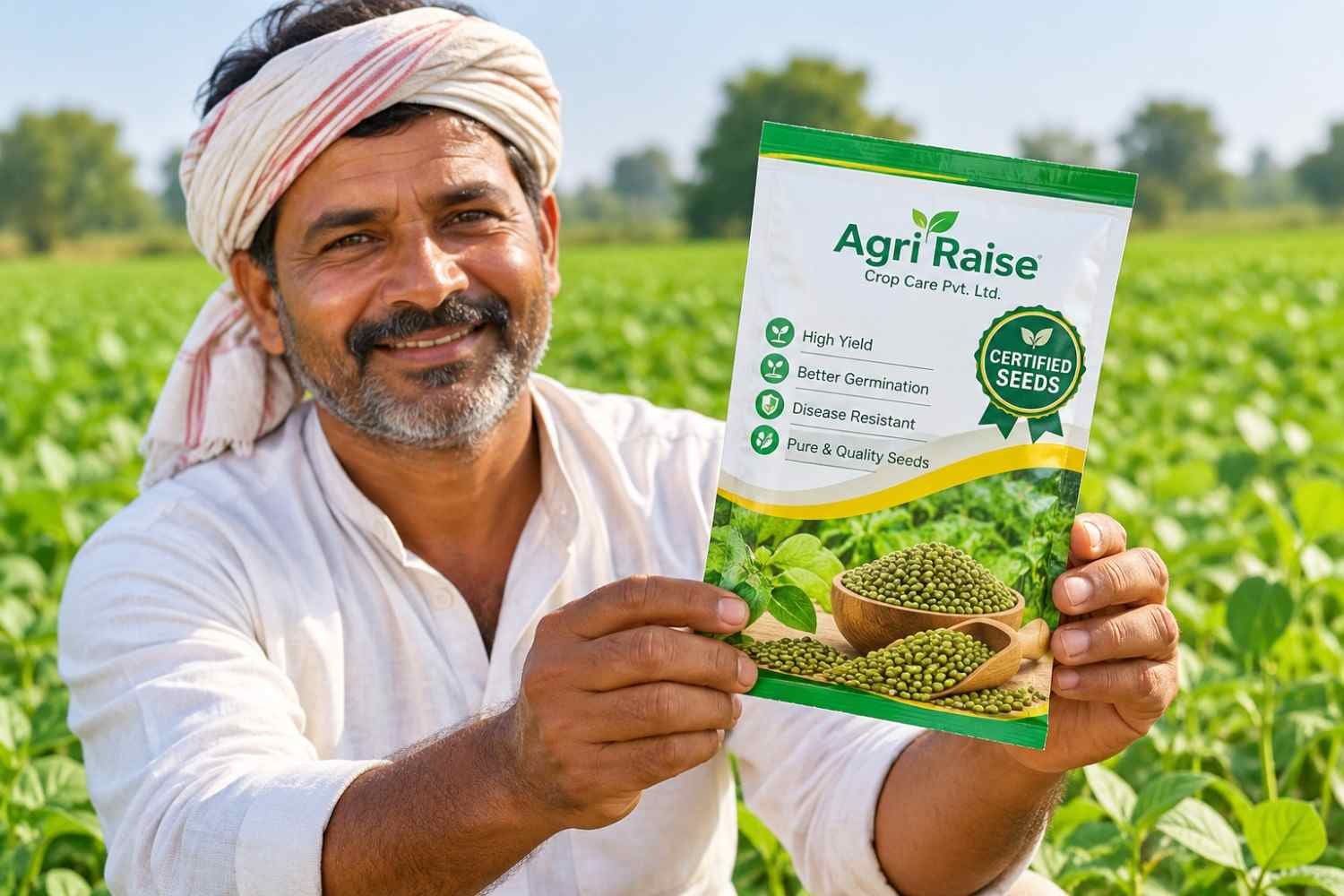
What Is Seed Certification? A Complete Guide
What Is Seed Certification? A Complete Guide
Seed certification is an official quality-check process. It confirms that seeds meet genetic purity, germination, and health standards. Certified seed agencies test, inspect, and label seeds before farmers can buy them. This process protects farmers and ensures higher yield and better crop quality every season.
Introduction
Seed certification is the foundation of every successful harvest. Most farmers don't realize that the seed they sow decides up to 40% of their final yield. A small mistake at the seed stage can cost an entire season.
Every year, thousands of Indian farmers lose money on fake or low-quality seeds. They spend on fertilizers, water, and labor, only to get poor results. This is why understanding seed certification matters so much.
In this guide, we will explain what certified seeds are, why certification is important, and how the certification process works in India. By the end, you will know how to choose the right seeds with confidence.
Table of Contents
- What Is Seed Certification?
- What Is Certified Seed?
- Why Certification Important for Farmers
- Seed Certification Process in India
- Who Manages Seed Certification in India?
- Benefits: Higher Yield and Better Crop Quality
- How to Identify Certified Seeds ?
- Choosing a Certified Seeds Company in India
- Practical Tips Before Buying Seeds
- FAQs on Seed Certification
What Is Seed Certification?
Seed certification is a quality assurance system. It checks that seeds are genetically pure and disease-free. Government-approved agencies carry out this process across India.
The system was created to stop the sale of low-quality or fake seeds. It gives farmers a guarantee before they invest their money. Every certified seed batch passes through strict field and lab checks.
Without certification, farmers cannot easily tell good seeds from bad ones. This is exactly why the process exists.
What Is Certified Seed?
A certified seed is seed that has passed all quality tests. It comes from a traceable source, usually starting with breeder seed. The seed then moves through foundation and certified stages.
Each stage is inspected in the field and in the lab. Officials check genetic purity, germination rate, and moisture content. Only seeds that clear every test get the certification tag.
This is what makes certified seed different from ordinary market seed. It comes with proof, not just a promise.
Why Certification Important for Farmers
Understanding why certification is important helps farmers avoid big losses. Certified seeds reduce the risk of crop failure. They also protect farmers from spurious or duplicate seed sellers.
Trust and Transparency
Certification builds trust between the seed company and the farmer. Every bag carries a tag with batch details. Farmers can trace the seed back to its source.
Consistent Crop Performance
Certified seeds perform the same way across fields. This consistency helps farmers plan harvests better. It also helps in getting stable market prices.
Legal Protection
Buying certified seed gives farmers legal protection. If a seed batch fails to perform as promised, farmers can file a complaint. This accountability rarely exists with uncertified seed.
Seed Certification Process in India
The seed certification process in India follows clear, step-by-step stages. Each step checks a different quality parameter.
Step 1: Seed Source Verification
The process starts with verifying the source seed. It must come from an approved breeder or research institute. This step confirms the seed's genetic background.
Step 2: Field Inspection
Certification officers visit the growing field multiple times. They check for isolation distance from other crops. This prevents unwanted cross-pollination.
Step 3: Genetic Purity Check
Officers examine plants for off-types and diseases. Any impure or diseased plants are marked and removed. This keeps the seed lot genetically pure.
Step 4: Seed Processing and Sampling
After harvest, seeds are cleaned and processed. Random samples are drawn from each seed lot. These samples go to a certified seed testing lab.
Step 5: Laboratory Testing
The lab tests germination percentage, purity, and moisture level. Seeds must meet minimum standards set by authorities. Only passing lots move to the next step.
Step 6: Tagging and Labeling
Approved seed lots receive an official certification tag. This tag shows lot number, germination rate, and validity date. Farmers should always check this tag before buying.
Who Manages Seed Certification in India?
Seed certification in India is managed by state seed certification agencies. These agencies work under guidelines from the Central Seed Certification Board. The system follows the Indian Minimum Seed Certification Standards (IMSCS).
The Ministry of Agriculture and Farmers Welfare oversees these standards nationally. Each state also has its own seed certification agency for local checks. This layered system ensures quality control from the ground level up.
Benefits: Higher Yield and Better Crop Quality
Choosing certified seed directly leads to higher yield and better crop quality. Here is how certified seeds create real, on-field impact.
- Better germination rate – Certified seeds germinate more evenly and quickly.
- Disease resistance – Health-checked seeds resist common soil and seed-borne diseases.
- Uniform crop growth – Plants grow at a similar height and maturity time.
- Improved market value – Uniform, healthy crops fetch better prices at market.
- Lower input waste – Good germination means less reseeding and wasted fertilizer.
Real-Life Example
A wheat farmer in Punjab switched from local seed to certified wheat seed. His germination rate rose from 75% to 92%. His total yield increased by nearly 18% in a single season.
This kind of result is common across crops like paddy, cotton, and pulses. Certified seed simply removes the guesswork from farming.
How to Identify Certified Seeds
Farmers should always check for these signs before buying seed.
- Certification tag – Look for a tag with lot number and validity.
- Seal and stamp – Genuine seed bags carry an official agency seal.
- Batch traceability – The tag should show source and processing details.
- Germination percentage – This must be printed clearly on the label.
- Authorized dealer – Buy only from licensed seed dealers or companies.
If any of these details are missing, the seed may not be genuinely certified. Always ask the dealer for proof of certification.
Choosing a Certified Seeds Company in India
Picking the right certified seeds company in India is as important as the certification itself. A reliable company follows every step of the certification process honestly. It also offers proper documentation and after-sales support.
Agri Raise Crop Care Pvt. Ltd. works with certified seed standards across multiple crops. Our seed range goes through strict field and lab testing before reaching farmers. You can explore our full range of certified seed products to compare options suited to your soil and climate.
We also publish a detailed guide to certified seeds in India on our blog. It covers crop-wise recommendations and seasonal buying tips for farmers.
Practical Tips Before Buying Seeds
- Always buy seeds a season in advance, not at the last moment.
- Store seeds in a cool, dry place away from moisture.
- Check the certification tag date before sowing.
- Compare germination rates across two or three seed brands.
- Ask your local agriculture officer about recommended certified varieties.
Following these small steps can prevent large crop losses later. Good preparation is half the work of good farming.
FAQs on Seed Certification
- What are certified seeds?
Certified seeds are high-quality seeds approved by authorized agencies. They ensure genetic purity, better germination, and higher crop yield. - What is seed certification?
Seed certification is a quality assurance process. It checks if seeds meet standards for purity, germination, and performance. - How to get seed certification in India?
To get seed certification, producers must apply to the State Seed Certification Agency. The process includes inspection, testing, and approval. - Which agencies certify seeds in India?
Seed certification is done by State Seed Certification Agencies under the Central Seed Certification Board guidelines. - How long is a seed certificate valid?
A seed certificate is generally valid for one growing season. It may vary depending on the crop type. - What is the minimum seed certification standard in India?
Minimum standards include seed purity, germination rate, and moisture level set by certification authorities.

Leave a comment


Comments(0)