
Blog
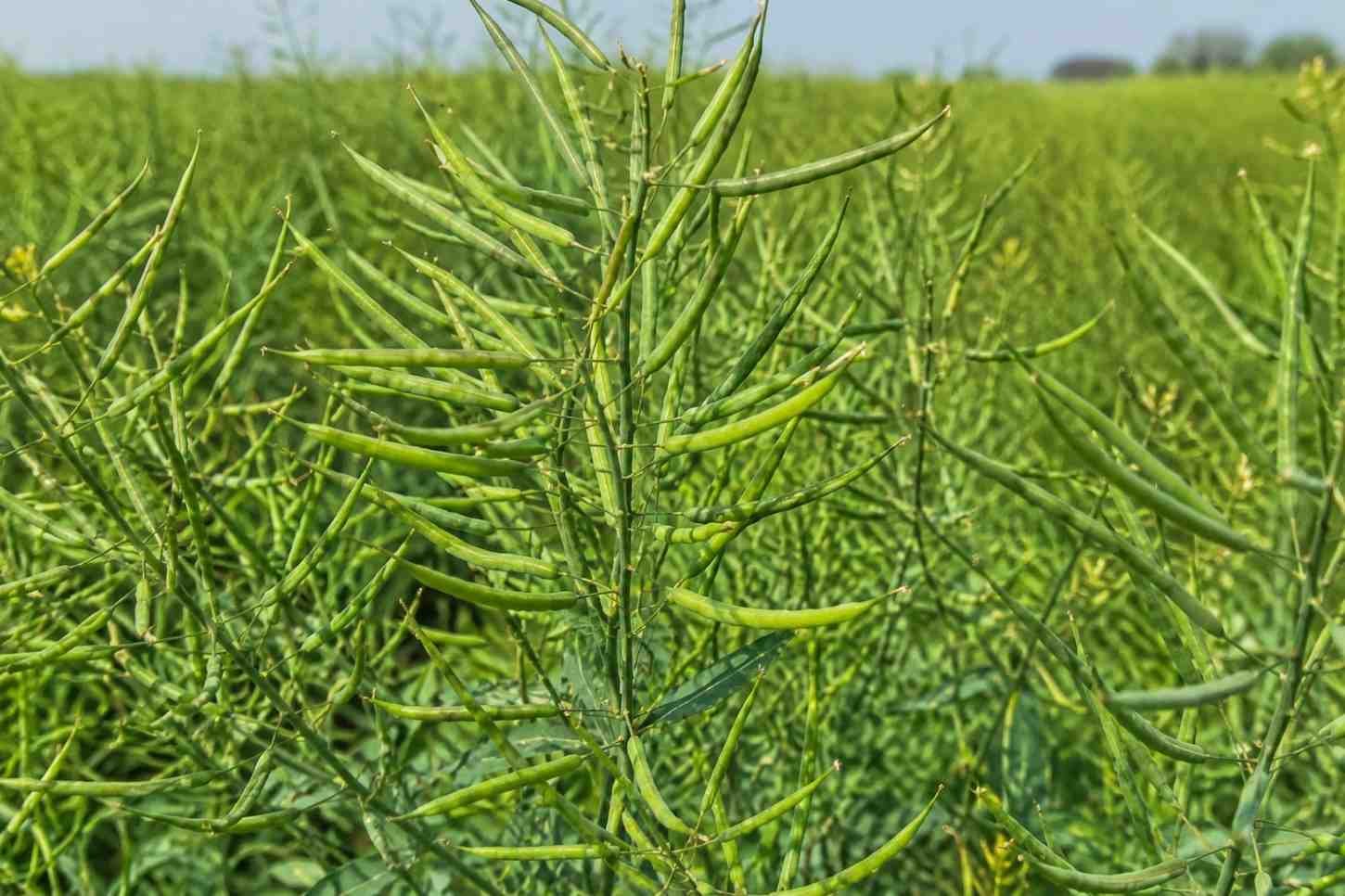
Hybrid Mustard Seeds: Complete Guide for High Yield Farming
Introduction
Mustard farming is a major source of income for many Indian farmers. Hybrid mustard seeds help farmers grow more crops in less land. This guide explains everything you need to know about hybrid mustard seeds.
What Are Hybrid Mustard Seeds
Hybrid mustard seeds come from crossing two different mustard plants. Scientists select the best traits from each parent plant. This creates seeds with better yield and strength.
These seeds often give higher oil content than normal seeds. They also grow faster in many soil types. Farmers across India now prefer hybrid varieties for better results.
Hybrid mustard seeds resist diseases better than traditional seeds. They also handle weather changes more easily. This makes farming less risky for you.
Traditional mustard seeds often depend heavily on ideal conditions. Hybrid varieties adjust better to unpredictable rainfall and temperature. This flexibility gives farmers more confidence each season.
Seed companies test hybrid varieties across many farm locations. This testing ensures the seeds perform well in real conditions. You get proven results, not just promises.
Benefits of Hybrid Mustard Seeds
Hybrid seeds offer many advantages over regular mustard seeds. Here are the key benefits:
- Higher yield per acre compared to normal seeds
- Better resistance to common mustard diseases
- Stronger plants that survive harsh weather
- More oil content in each seed
- Shorter growing time in most cases
- Better quality seeds for the next season
These benefits directly improve your farm income. Many farmers report 20 to 30 percent higher yield after switching to hybrid varieties.
Hybrid seeds also reduce your overall farming risk. Strong plants mean fewer losses from disease or bad weather. This stability helps you plan your budget better.
Better oil content means better market price for your crop. Buyers often pay more for high-oil mustard seeds. This directly adds to your profit margin.
Hybrid varieties also need less replanting after failed germination. This saves both time and extra seed cost. Your overall farming expense stays under control.
Best Hybrid Mustard Seed Varieties in India
India has several strong hybrid mustard varieties. Each variety works best in specific regions and soil types.
Hyola Mustard Seed
Hyola mustard seed is a popular Canadian hybrid variety. It gives high oil content and strong yield. Many farmers in Rajasthan and Haryana use this variety.
This seed also resists common pests well. It grows well in both irrigated and rain-fed fields.
Hyola mustard seed matures in about 130 to 140 days. This timing suits most North Indian growing seasons. Farmers can plan their next crop without delay.
The plant height stays moderate, making harvest easier. Pods hold seeds firmly, reducing loss during harvest. This variety works well for both small and large farms.
Pioneer Hybrid Mustard Seed
Pioneer hybrid mustard seed is known for consistent yield. This company focuses on disease-resistant varieties. Farmers trust this brand for reliable results.
Pioneer seeds also adapt well to different soil conditions. They work well across North India.
This variety shows strong resistance to powdery mildew. It also tolerates mild frost during winter months. Farmers in Punjab and Haryana rely on this trait.
Pioneer hybrid plants branch well, producing more pods per plant. More pods directly mean higher seed output. This makes the variety a solid choice for commercial farming.
Hybrid Yellow Mustard Seeds
Hybrid yellow mustard seeds are gaining popularity in India. These seeds produce oil with a mild taste. Many food companies prefer yellow mustard oil.
Yellow mustard plants also mature quickly. This helps farmers plan their next crop cycle.
These seeds work well in condiment and spice markets. Export buyers often prefer yellow mustard for its color. This opens extra income opportunities for farmers.
Yellow mustard also needs less water than some other varieties. This makes it a good choice for drier regions. Farmers with limited irrigation can still get good yield.
Hybrid Mustard Seeds Price in India
Hybrid mustard seed prices vary based on brand and quality. Prices usually range from Rs. 400 to Rs. 1200 per kg. Premium hybrid varieties cost more than regular seeds.
Price also depends on the region you buy from. Local dealers may charge differently than online sellers. Always compare prices before buying seeds.
Packaging size also affects the final price you pay. Smaller packets often cost more per kg. Buying larger packs can save money for bigger farms.
Government subsidies sometimes reduce the price for certified farmers. Check with your local agriculture office for current schemes. These subsidies can lower your total seed cost.
Mustard Seed Wholesale Price
Wholesale buyers get better rates than retail buyers. Wholesale mustard seed price is usually 10 to 15 percent lower. Bulk buying helps farmer groups save money.
Many cooperative societies buy seeds in bulk for members. This reduces the overall cost per farmer.
Always verify seed quality before making a wholesale purchase. Check the germination rate mentioned on the packet. A good germination rate should be above 85 percent.
Ask for a proper bill when buying in bulk. This protects you if seed quality issues arise later. A genuine dealer will always provide proper documentation.
Mustard Farming Guide Using Hybrid Seeds
Growing hybrid mustard needs proper planning and care. Follow these steps for best results.
Soil preparation: Plough the field 2 to 3 times before sowing. Add organic manure to improve soil health. This helps seeds germinate faster.
Sowing time: Sow hybrid mustard seeds between mid-October and early November. This timing gives plants the best growing conditions. Late sowing can reduce your final yield.
Watering schedule: Give the first watering 25 to 30 days after sowing. Water again during flowering and pod formation stages. Avoid excess water, as mustard plants dislike waterlogging.
Fertilizer use: Apply nitrogen, phosphorus, and potassium as per soil test results. Split nitrogen doses across two applications. This improves nutrient absorption.
Pest control: Watch for aphids during the flowering stage. Use recommended pesticides only when needed. Regular field monitoring prevents major crop loss.
Weed management: Remove weeds within the first 25 days of sowing. Weeds compete with young plants for nutrients. Manual weeding or safe herbicides both work well.
Harvesting time: Harvest when pods turn yellow-brown and dry. Delayed harvest can cause seeds to fall. Timely harvest protects your final yield.
Hybrid Mustard Seed Rate and Yield Per Acre
Correct seed rate is important for good crop growth. Using too many or too few seeds affects yield.
Recommended seed rate: Use 1.5 to 2 kg of hybrid mustard seeds per acre. This rate gives enough space for healthy plant growth. Overcrowding reduces individual plant strength.
Expected yield: Hybrid mustard can yield 8 to 12 quintals per acre. This is higher than 5 to 7 quintals from normal varieties. Good farming practices can increase yield further.
Spacing tips: Keep row spacing of 30 cm between plants. Keep plant spacing of 10 to 15 cm within each row. Proper spacing improves sunlight and air flow.
Soil type matters: Hybrid mustard grows best in loamy soil. It also performs well in sandy loam with good drainage. Avoid waterlogged or heavy clay soil.
Climate needs: Mustard plants prefer cool, dry weather during growth. Ideal temperature ranges between 10°C and 25°C. High heat during flowering can reduce yield.
If you are looking for high-quality agricultural seeds, you can explore Agri Raise Crop Care Pvt. Ltd.
Where to Buy Hybrid Mustard Seeds in India
You can buy hybrid mustard seeds from several trusted sources. Choose your source based on reliability and convenience.
- Local agricultural input stores in your area
- State agriculture department seed centers
- Certified seed companies with proper licensing
- Online agriculture platforms with verified sellers
- Farmer cooperative societies
Always check the seed packet for certification details. Genuine hybrid seeds come with proper labeling and batch numbers.
Avoid buying seeds from unknown roadside sellers. Low-quality seeds can damage your crop. Always choose trusted and verified sources.
Ask farmers in your area for trusted seed dealers. Their experience helps you make better decisions.
You can also buy certified hybrid mustard seeds directly from
trusted hybrid mustard seed supplier in India
Frequently Asked Questions (FAQs)
1. What are some hybrid mustard varieties?
Popular hybrid mustard varieties include Hyola mustard, Pioneer hybrid mustard, and yellow mustard hybrids. These varieties offer high yield and better oil content.
2. Can mustard seeds be hybrid?
Yes, mustard seeds can be hybrid. Scientists develop hybrid seeds by crossing two different parent plants. This improves yield, strength, and disease resistance.
3. What is the difference between hybrid and non-hybrid seeds?
Hybrid seeds give higher yield and better disease resistance. Non-hybrid seeds are traditional and depend more on weather conditions. Hybrid seeds perform better in most cases.
4. What is the best variety of mustard seeds in India?
Hyola and Pioneer hybrid mustard seeds are among the best varieties in India. The best choice depends on your soil, climate, and farming method.
5. Which type of mustard is best?
Hybrid mustard is best for high yield and better oil production. It also handles weather changes better than traditional mustard seeds.
6. What is the price of hybrid mustard seeds?
Hybrid mustard seed price usually ranges between Rs. 400 to Rs. 1200 per kg. Price depends on brand, quality, and location.
Final Thoughts
Hybrid mustard seeds can improve your farm income this season. They give higher yield, better resistance, and stronger oil content. Choose a trusted variety and follow proper farming methods.
Switch to quality hybrid mustard seeds and grow a better crop this season.
If you want better yield and higher profit, choose certified hybrid mustard seeds from a trusted company.
Buy Hybrid Mustard Seeds

Leave a comment


Comments(0)