
Blog
How to Start Moong Farming in India Successfully
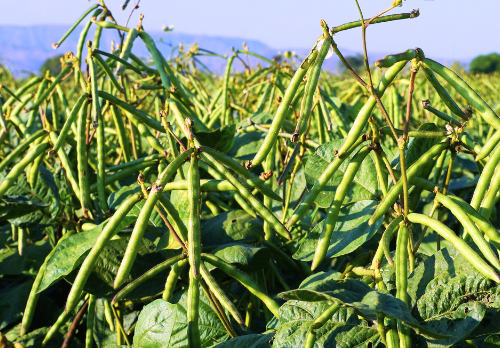
Moong farming is a profitable crop for Indian farmers. People want to buy green gram because it is in high demand. The crop needs very little water to grow well. It grows quickly, so farmers like planting it often. Moong is commonly grown in Odisha. It is also grown in Maharashtra and Rajasthan. It is also grown in Madhya Pradesh and Uttar Pradesh states.
Moong plants add nitrogen to the soil naturally. This makes the soil healthier for growing other crops. Farmers often grow moong along with other crops. They also grow it after harvesting wheat and rice crops. Good quality seeds help farmers grow more moong plants. Proper watering also helps farmers get a bigger harvest.
AR Green Gold Moong Seeds help improve germination, plant growth, and crop productivity. Choosing the right variety helps farmers succeed in moong farming.
Why Moong Farming is Popular in India
Moong farming is popular among farmers for many good reasons. It needs very little money to start growing this crop. The moong plant grows fast and gives quick returns to farmers. It also needs very little water to grow well. This makes it perfect for dry and semi-arid farming regions.
Some major benefits of moong cultivation include:
- Short crop duration
- High market demand
- Low cultivation cost
- Improves soil fertility
- Suitable for crop rotation
- Good export demand
- Less irrigation requirement
Green gram farming is growing fast because people love protein-rich foods today. Many Indian homes and food industries use moong dal every single day. This growing demand helps farmers earn steady and reliable income each year. So, green gram is becoming a very important crop for India.
Best Climate and Soil for Moong Farming
Moong crops grow well in warm and humid weather conditions. It needs a temperature between 25 and 35 degrees Celsius. Too much rain can damage the growing moong crop badly. Waterlogging in fields harms the plants and reduces their growth. Farmers must ensure proper drainage to protect the crop well.
Suitable Soil Types
Moong can be cultivated in different soil types, including:
- Sandy loam soil
- Black cotton soil
- Well-drained loamy soil
Avoid waterlogging in moong fields. It can damage roots and reduce yield.
Farmers should plough the field and remove weeds before sowing. Farmers should plough the field and remove weeds before sowing. Add organic manure to improve soil fertility and retain moisture
Best Time to Start Moong Farming
The best time for moong farming depends on the season and region.
Summer Season
-
February to March
Kharif Season
-
June to July after monsoon arrival
Rabi Season
-
In some southern states under irrigated conditions
Moong dal takes 60 to 90 days to grow. Crop duration depends on the seed variety and climate.
Farmers should avoid delayed sowing. It can reduce yield and increase pest attacks.
Land Preparation for Moong Cultivation
Proper land preparation is necessary for uniform germination and healthy crop establishment.
Steps for Land Preparation
- Deep plough the field once
- Perform 2–3 harrowings
- Remove weeds and stones
- Level the field properly
- Apply organic manure before sowing
Well-prepared soil helps roots develop properly and improves water absorption.
Why Farmers Trust Agri Raise
Agri Raise provides quality seed solutions for better crop growth and productivity. AR Green Gold moong seeds support healthy plant growth and higher crop productivity.
Farmers must choose the right seeds to grow good crops. Good seeds should be strong and not get sick easily from diseases. They should also give a large amount of crop, which is called high yield. Every place has different weather and soil, so farmers should pick seeds that grow well in their own area. When farmers choose the right seeds, their farming becomes more successful and they get better harvests.
Quality seeds play a major role in:
- Uniform crop growth
- Better disease resistance
- Improved pod formation
- Higher market value
Moong Seed Rate Per Acre
The correct moong seed rate per acre depends on seed variety, sowing method, and season.
Recommended Seed Rate
- 8–12 kg per acre for Kharif season
- 12–15 kg per acre for summer season
Spacing
- Row spacing: 30 cm
- Plant spacing: 10 cm
Proper spacing improves airflow and reduces disease incidence in the field.
Seed treatment improves germination and protects plants from seed-borne diseases.
Sowing Method for Moong Farming
Moong seeds can be sown using:
- Seed drill
- Traditional broadcasting
- Line sowing method
Line sowing helps improve weed control and irrigation management.
Seeds should be sown at a depth of 3–5 cm for proper germination.
Fertilizer Requirement in Moong Farming
Moong is a special plant called a legume. It has a wonderful power — it can take nitrogen from the air and put it into the soil. This makes the soil richer and healthier for other plants too! But moong still needs help to grow strong and healthy. Moong plants are very helpful for farmers and for the soil too. They have small nodules on their roots that add nitrogen to the soil, making it richer. When farmers use balanced fertilizers, moong plants grow healthy and strong. Balanced fertilizers and moong plants support each other like good friends. This friendship gives farmers more moong beans and better soil for the next crop. So, taking care of the soil and the plant together brings the best result for everyone.
Recommended Fertilizer Dose
- Nitrogen: 8–10 kg per acre
- Phosphorus: 16–20 kg per acre
Organic manure and biofertilizers also help improve soil health and increase yield.
Farmers should not give too much nitrogen fertilizer to their pea or bean plants. Nitrogen is good for plants, but too much of it can cause a problem. The plant may grow lots of green leaves instead of making pods. This means the farmer gets a bushy plant but fewer beans to harvest. Too much nitrogen makes leaves grow fast but stops pods from forming well. So it is best to use nitrogen fertilizer in the right amount, not more.
Irrigation Management in Moong Farming
Moong is a very useful crop because it does not need too much water like many other field crops. Farmers do not have to water it again and again, which saves both time and effort. But this does not mean that moong can grow well without any water at all. Watering the plant at the right time really helps it grow strong and healthy. The moong plant needs the most water during flowering and pod formation. Proper watering at key stages helps plants grow stronger and increases harvest. Moong needs less water, but timely irrigation helps produce a better crop.
Critical Irrigation Stages
- Flowering stage
- Pod formation stage
Summer moong plants need water to grow well and give a good crop. Farmers usually water the plants three to five times, depending on how hot or rainy the weather is. Too much water is not good for the plants. If water stays on the field for too long, it can harm the roots. Waterlogging can badly damage roots and lower the crop yield. This shows why farmers must be careful with watering. Modern methods like drip irrigation and sprinklers help save water. These systems also help the plants grow better and give more crop.
Weed Control in Moong Crop
Weeds compete with crops for nutrients, water, and sunlight. Early weed management is essential for better yield.
Weed Management Methods
- Hand weeding
- Mechanical weeding
- Mulching
- Herbicide application
The first 30–40 days after sowing are critical for weed control.
Weed-free fields improve pod development and plant health during early growth stages.
Common Pests and Diseases in Moong Farming
Moong crops are affected by several pests and diseases that may reduce yield.
Common Pests
- Whitefly
- Aphids
- Thrips
- Pod borers
Common Diseases
- Yellow mosaic virus
- Powdery mildew
- Leaf spot disease
Prevention Tips
- Use disease-resistant varieties
- Avoid waterlogging
- Maintain proper spacing
- Use quality seeds
- Spray recommended pesticides when necessary
AR Green Gold moong seeds support healthy crop growth and better disease resistance.
Moong Crop Duration and Harvesting Time
Moong harvesting time generally depends on variety and season.
Average Crop Duration
- 60–70 days for summer varieties
- 75–90 days for Kharif varieties
The crop is ready for harvesting when:
- Pods turn dark brown or black
- Leaves begin drying
- Seeds become hard
Farmers should avoid delayed harvesting. Mature pods may shatter and cause grain loss.
Harvesting is usually done manually using sickles. After harvesting, pods are dried properly before threshing.
Moong Production Per Acre in India
Moong production per acre depends on:
- Seed quality
- Irrigation
- Soil fertility
- Pest management
- Climate conditions
Average Yield
- 4–6 quintals per acre under normal farming
- 6–8 quintals per acre under improved management practices
Certified seeds, balanced fertilizers, and proper irrigation improve crop productivity.
AR Green Gold moong seeds help improve yield and crop establishment.
Moong Farming Profit Per Acre
Moong farming is considered profitable because of:
- Low cultivation cost
- Short crop cycle
- Good market price
Approximate Cost and Profit
| Item | Amount |
|---|---|
| Cultivation Cost | ₹12,000–₹18,000 per acre |
| Average Income | ₹30,000–₹50,000 per acre |
| Estimated Profit | ₹15,000–₹30,000 per acre |
Profit may vary depending on market rates, yield, and farming practices.
Farmers can increase profitability by:
- Using quality seeds
- Practicing timely irrigation
- Reducing pest damage
- Selling produce at better market prices
Benefits of Using Quality Moong Seeds
Seed quality directly affects crop performance and yield.
Advantages of Quality Moong Seeds
- Faster germination
- Uniform plant growth
- Better disease tolerance
- Higher productivity
- Improved grain quality
Farmers like to grow moong beans because they want a strong and healthy crop. They choose AR Green Gold moong seeds for this purpose. These seeds are special because they grow into plants very quickly and easily. Good germination means that most of the seeds sprout and become small plants without any problem. When farmers use AR Green Gold seeds, they get strong and healthy plants in their fields. Strong plants can fight diseases and bad weather much better than weak ones. This helps farmers get more moong beans at the end of the season. Better crop performance also means the farmer earns more money from their hard work. That is why many farmers trust and choose AR Green Gold moong seeds every year.
Selecting the right seeds improves farming success and long-term profit.
Tips for Successful Moong Farming
Important Farming Tips
- Select certified seeds
- Follow proper crop rotation
- Avoid excess irrigation
- Perform timely weeding
- Monitor pests regularly
- Use balanced fertilizers
- Harvest at the correct stage
Farmers who follow scientific cultivation methods usually achieve better production and profit.
Recommended Seeds for Better Yield
Farmers choose AR Green Gold moong seeds for strong germination and better crop productivity.
FAQs
What is the best time for moong farming?
The best time for moong farming is February–March for summer season and June–July for Kharif season.
How many days does moong crop take to grow?
Moong crop usually takes 60–90 days depending on variety and climate.
What is the seed rate for moong farming per acre?
The recommended seed rate is 8–15 kg per acre depending on season and sowing method.
Is moong farming profitable in India?
Yes, moong farming is profitable due to low cultivation cost, short crop duration, and good market demand.
Conclusion
Moong farming is a good way for farmers in India to earn money in a short time. It is also called green gram, and many farmers now grow it because it is useful and does not take long to grow. Farmers get better crops when they use good quality seeds. AR Green Gold moong seeds help the plants grow strong and healthy. When plants grow well, farmers get more moong from their fields. Careful planning and good farming steps also help farmers grow a bigger, better crop. Green gram farming is growing every year across India. Moong is still a profitable and sustainable crop for many farmers.

Leave a comment


Comments(0)