
Blog
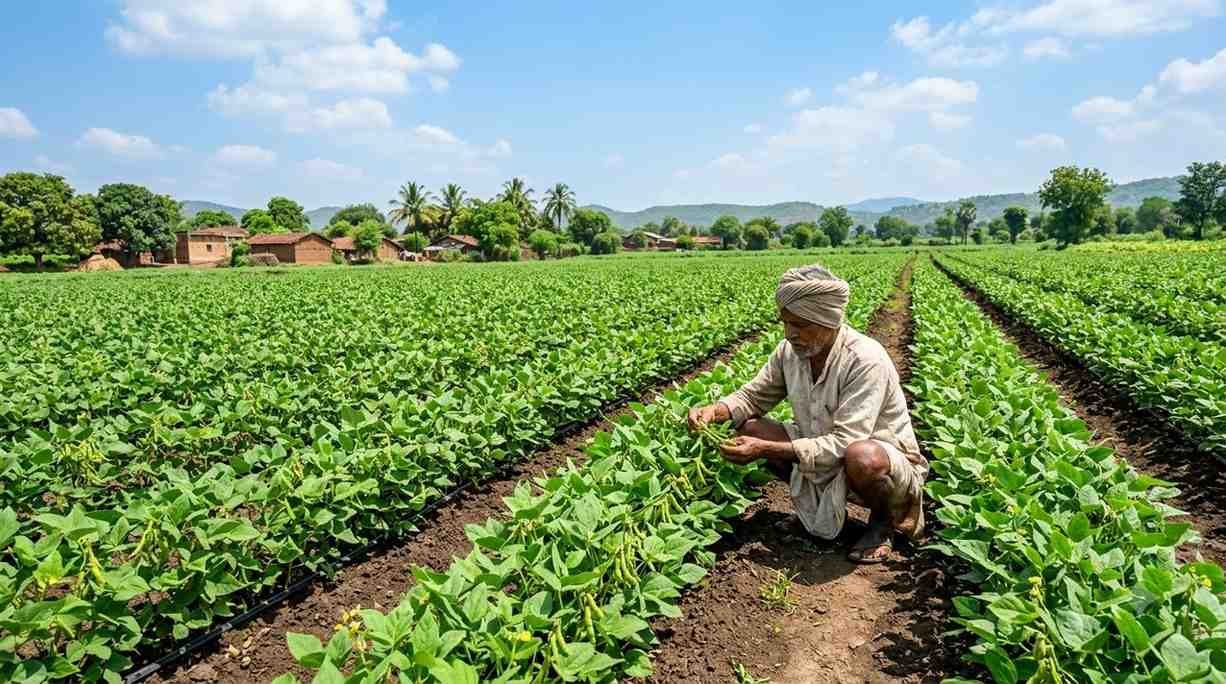
Green Gram Cultivation Guide
Green Gram Cultivation Guide: How to Grow Moong for Better Yield
Green gram is one of the most popular pulse crops in India. Many farmers choose green gram cultivation because it grows fast and needs less water. If you want to know how to grow moong the right way, this guide will help you.
Green gram cultivation is common in states like Rajasthan, Maharashtra, and Andhra Pradesh. Farmers love moong farming in India because it fits well between two main crops. This crop also improves soil health naturally.
In this article, we will cover everything about moong cultivation. You will learn about soil, sowing, water, and pest control. We will also explain moong ki kheti kaise kare in simple steps.
Climate and Soil Requirements
Green gram grows best in warm weather. It needs a temperature between 25°C and 35°C for good growth.
This crop cannot handle frost or heavy cold. Cold weather damages young moong plants quickly.
Well-drained sandy loam soil works best for green gram cultivation. The soil pH should stay between 6.2 and 7.2 for healthy roots.
Avoid soil that holds too much water. Waterlogged fields cause root rot in moong plants.
Land Preparation
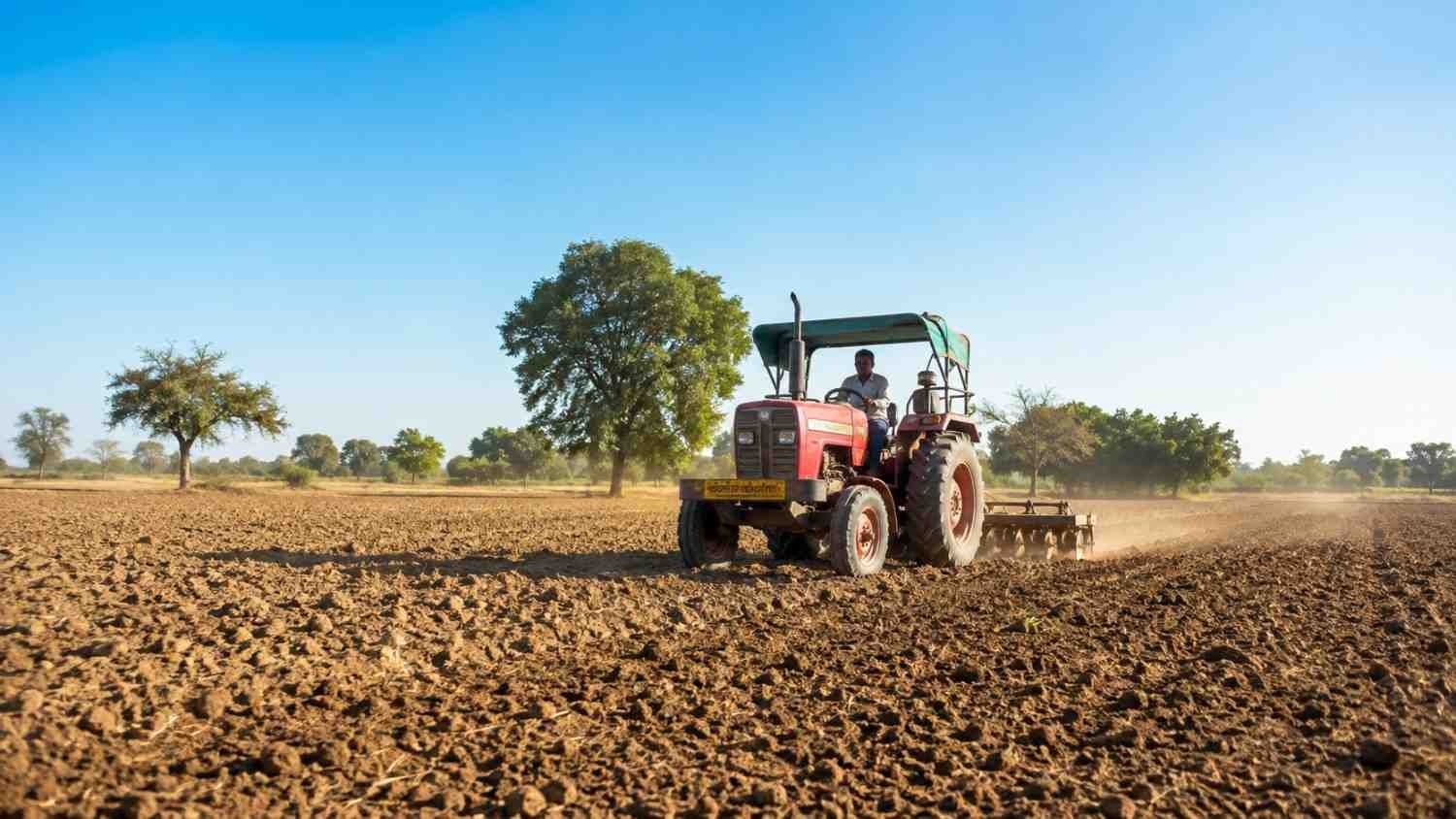
Good land preparation gives your crop a strong start. Plough the field two to three times before sowing.
This breaks large soil clumps and removes old crop waste. Level the field properly after ploughing.
A level field helps water spread evenly. This step is important for even germination of seeds.
Add well-rotted farmyard manure before the last ploughing. This boosts organic matter in the soil.
Seed Selection and Sowing Method
Choose certified, disease-free seeds for better results. Good seeds lead to strong moong plants.
Popular moong varieties include Pusa Vishal, IPM 02-3, and SML 668. Pick a variety suited to your local climate.
Treat seeds with Rhizobium culture before sowing. This helps roots fix nitrogen naturally from air.
Sow seeds at a depth of 3 to 4 cm. Keep row spacing around 30 cm apart.
Plant to plant spacing should be 10 cm. This spacing allows proper sunlight and air flow.
- Use 12 to 15 kg seeds per acre
- Sow seeds during summer or kharif season
- Avoid sowing during heavy rain periods
Irrigation Management
Green gram needs less water compared to other crops. This makes it a good choice for dry regions.
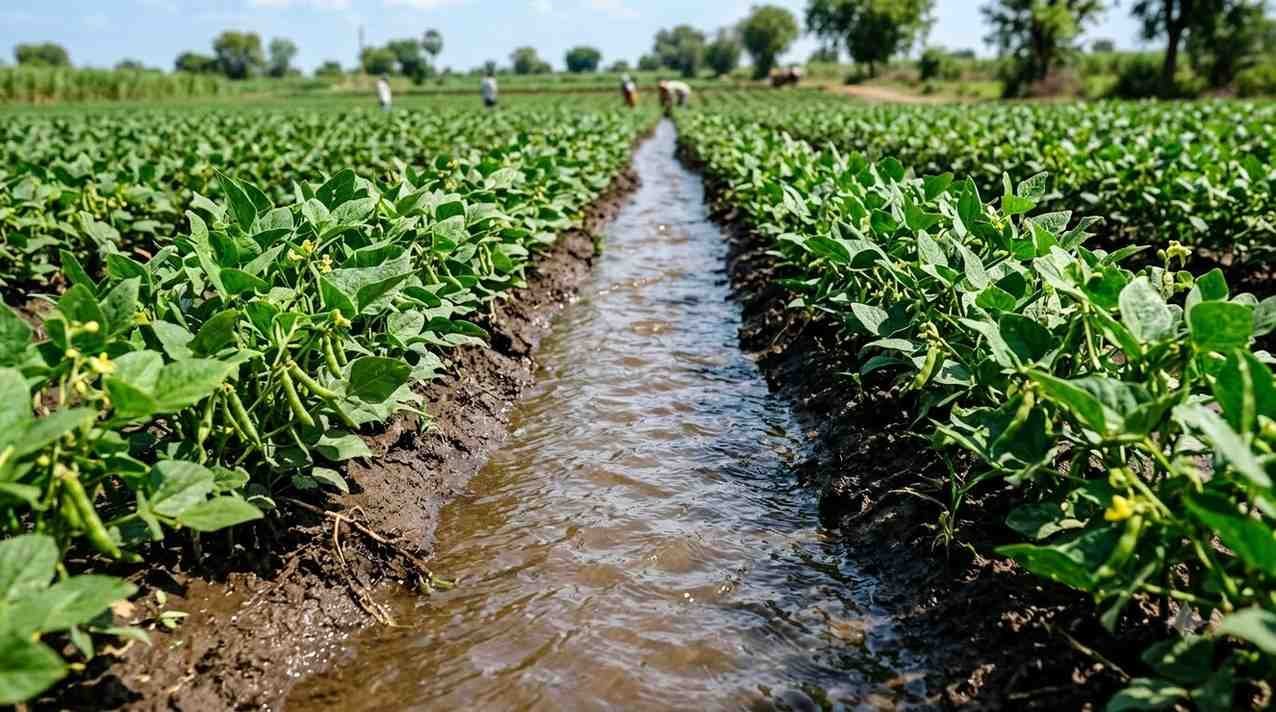
Give the first irrigation right after sowing. This helps seeds germinate faster.
The crop needs water at flowering and pod formation stages. These are the most critical growth periods.
Avoid overwatering, as it harms root health. Light and timely irrigation always works better.
Total water requirement for green gram cultivation is 250 to 300 mm. This depends on soil type and season.
Fertilizer and Nutrient Management
Green gram needs balanced nutrients for healthy growth. Apply fertilizers based on soil test results.
Use these basic doses per acre:
- Nitrogen: 8 to 10 kg
- Phosphorus: 16 to 20 kg
- Potassium: 8 to 10 kg
Apply the full dose during land preparation. This gives roots early access to nutrients.
Add zinc sulphate if your soil shows zinc deficiency. This improves leaf color and plant strength.
Avoid excess nitrogen use. Too much nitrogen leads to more leaves and fewer pods.
Weed and Pest Control
Weeds compete with moong plants for water and nutrients. Remove weeds early for a healthy crop.
Do the first weeding 15 to 20 days after sowing. A second weeding at 30 days also helps.
You can use hand weeding or light hoeing. Herbicides like Pendimethalin also control weeds well.
Common pests in moong include aphids, whitefly, and pod borer. Watch your field regularly for early signs.
Use neem-based sprays for mild pest attacks. For heavy infestation, use recommended chemical pesticides.
Yellow mosaic virus is a common disease in green gram cultivation. Choose resistant varieties to avoid this problem.
Green Gram Crop Duration and Growth Stages
Understanding green gram cultivation time helps you plan harvesting better. The moong crop duration is short compared to other pulses.
Here are the main growth stages:
- Germination: 5 to 7 days after sowing
- Vegetative stage: 20 to 30 days
- Flowering stage: 30 to 40 days
- Pod formation: 40 to 55 days
- Maturity: 60 to 70 days
Most moong varieties complete their cycle in 60 to 65 days. Some varieties may take up to 70 days.
This short green gram cultivation time makes it perfect for growing between two main crop seasons.
Harvesting and Yield
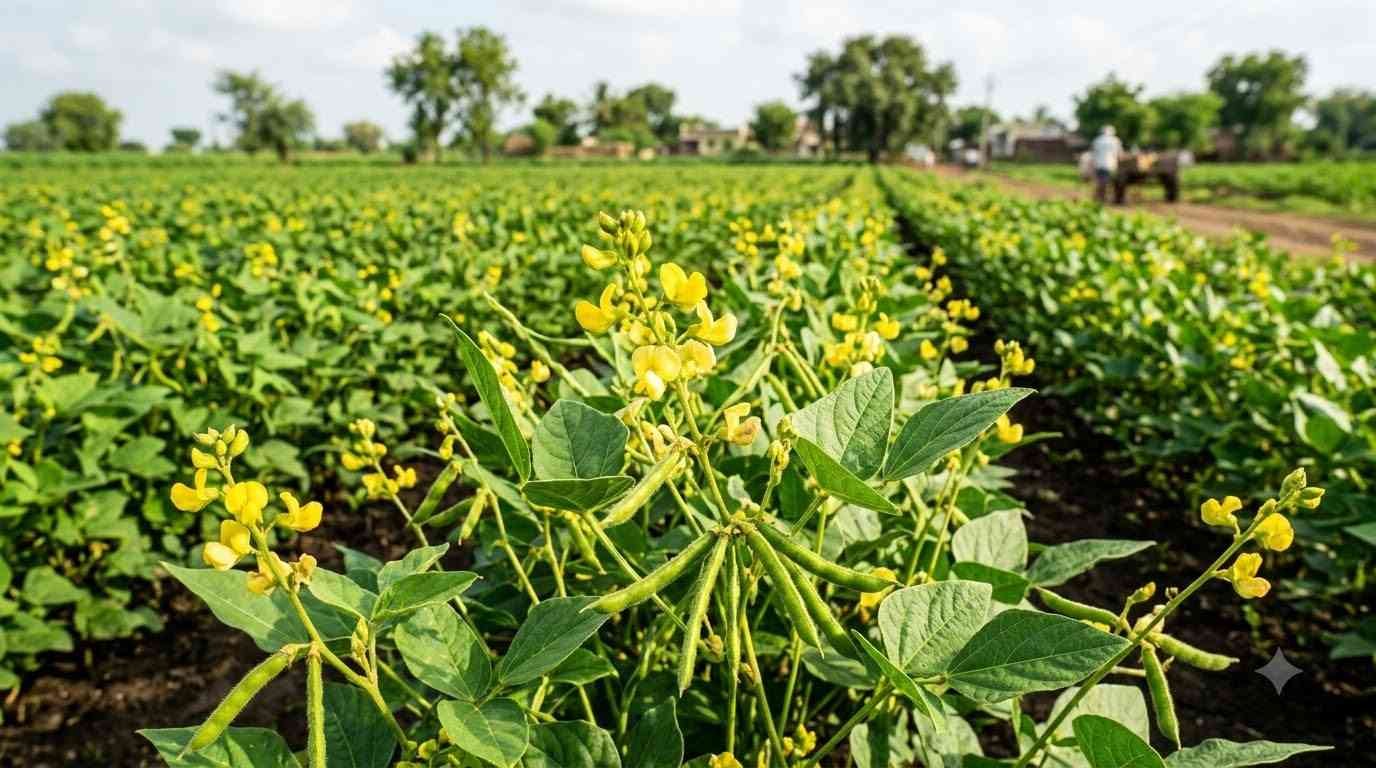
Harvest green gram when pods turn black or brown. Green pods are still not ready for picking.
Moong pods do not mature at the same time. You may need two to three pickings for full harvest.
Pick pods early in the morning to avoid seed loss. Dry harvested pods under sunlight for a few days.
Thresh the dried pods to separate seeds. Clean and store seeds in a dry place.
Average yield in green gram cultivation ranges from 6 to 10 quintals per hectare. Good management can push yield even higher.
Tips to Increase Yield
Small changes can boost your green gram cultivation output. Try these simple tips:
- Use certified high-yield seed varieties
- Treat seeds with Rhizobium before sowing
- Maintain correct plant spacing
- Apply balanced fertilizer, not excess
- Control weeds within the first month
- Monitor pests every week
- Harvest pods at the right time
Following these steps improves both the quality and quantity of your crop.
If you want to know your possible earnings, check our detailed guide on moong farming profit per acre.
FAQs
How long does it take to grow green gram?
Green gram takes about 60 to 70 days to grow fully. This short green gram cultivation time makes it a fast crop.
How much water is required for moong crops?
Moong crop needs 250 to 300 mm of water in total. It needs less water than most other pulse crops.
Which fertilizer is best for green gram?
A balanced mix of nitrogen, phosphorus, and potassium works best. Apply the full dose at the time of sowing.
What is the average yield of green gram per hectare?
Average yield ranges from 6 to 10 quintals per hectare. Good farming practices can increase this number.
When should I sow green gram in India?
Farmers usually sow moong in summer or kharif season. Choose a season based on your local climate.
Conclusion
Green gram cultivation is simple, fast, and profitable for farmers. With the right soil, water, and care, you can get a great harvest.
This guide covered every step of moong cultivation in detail. From sowing to harvesting, each stage plays a key role in yield.
Follow these tips on how to grow moong, and your crop will thrive. For more details on timing, read our article on green gram crop duration.
Start your green gram cultivation today and enjoy better yields this season.

Leave a comment


Comments(0)