
Blog
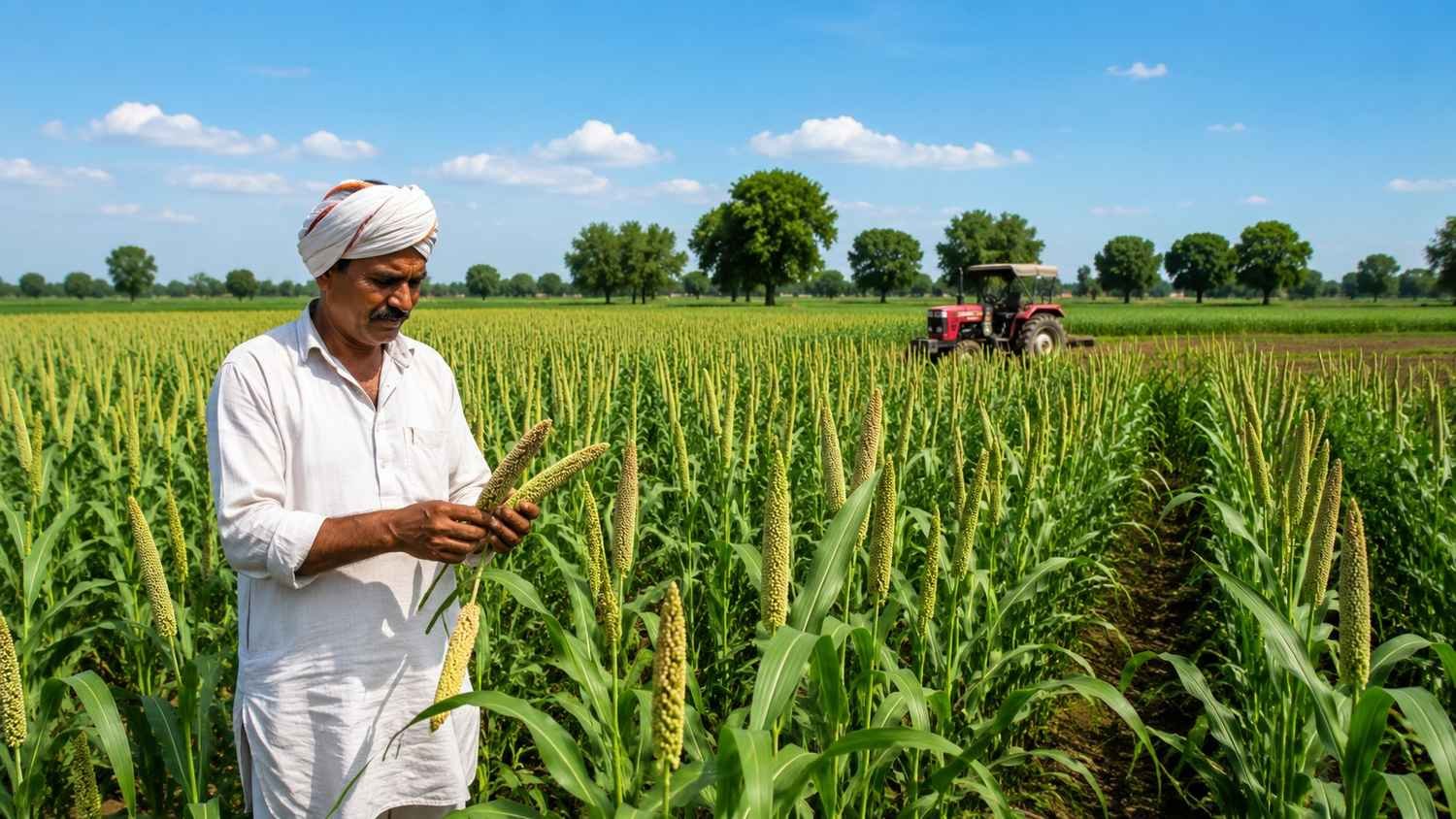
Bajra Farming 2026: Complete Pearl Millet Cultivation Guide for High Yield
Bajra Farming 2026: Complete Pearl Millet Cultivation Guide for High Yield
Introduction
Bajra, also known as Pearl Millet, is an important crop in India. Farmers grow it a lot because it can live in hot and dry places. Many other crops cannot grow well in such tough weather. Bajra is full of good things like fiber, protein, iron, and minerals. This makes it a healthy food for millions of people every day.
Bajra Farming is becoming a very good business for farmers these days. This is because new and improved seeds help the crop grow better and stronger. Farmers employ smart techniques to manage their fields effectively. More and more people want to buy Bajra now, so its demand is growing every day. When farmers do Bajra Cultivation the right way, they get more crops from their land. Bajra also needs less water than many other grains like wheat or rice. This makes it a smart and easy crop to grow, even in dry areas. That is why many farmers today are choosing Bajra Farming for better profit and less trouble.
This complete guide explains everything you need to know about Pearl Millet Farming, including climate, soil preparation, seed selection, sowing methods, irrigation, fertilizer management, pest control, harvesting, and best farming practices for maximum production.
Whether you are a beginner or an experienced farmer, this guide will help you improve your Bajra Crop Cultivation and achieve better productivity.
What is Bajra Farming?
Bajra Farming means growing Pearl Millet, a small round grain that grows on tall green plants. Farmers grow it for its grain to eat and its leaves as fodder for animals. Pearl Millet grows well in hot, dry places where water is scarce. This is because it survives easily with very little rainfall. The grain has good protein, fiber, iron, and calcium in it. People use it to make rotis, porridge, and other simple foods. Pearl Millet truly stands out as a tough and helpful crop for farmers.
Pearl millet is a strong and helpful crop for farmers. It grows very fast and does not need much water to survive. Even in hot and dry places, this crop can still give good yields. Because of this, it grows well even when rainfall is very low. Farmers in dry areas love pearl millet for these reasons.
Importance of Bajra Farming
Bajra Farming plays a significant role in Indian agriculture because:
-
It grows well in drought-prone areas.
-
Requires less irrigation than rice or wheat.
-
Improves food security in dry regions.
-
Provides nutritious grains rich in protein and fiber.
-
Serves as an excellent fodder crop for livestock.
-
Offers good market demand and stable income for farmers.
Pearl Millet Farming is becoming very popular these days. This is because our climate is changing very fast. Many places now get less rain than before. Because of this, water is becoming harder to find. Farmers need crops that can grow without too much water. Pearl millet is a strong crop that needs very little water to grow. It can also grow well in hot and dry weather. This makes Pearl Millet Farming a smart choice for farmers today. Many farmers are now shifting to Pearl Millet Farming because it saves water and gives good profit.
Bajra Cultivation in India
India is one of the largest producers of Pearl Millet in the world. The crop is mainly cultivated during the Kharif season, where it benefits from monsoon rainfall.
Major Bajra Growing States
Bajra is widely cultivated in:
-
Rajasthan
-
Haryana
-
Gujarat
-
Uttar Pradesh
-
Maharashtra
-
Karnataka
-
Madhya Pradesh
Rajasthan is the biggest producer of Bajra in India. This is because Rajasthan has a hot and dry climate, which is perfect for growing Bajra. It also has a large area of land used for farming this crop. Because of these reasons, Rajasthan gives the highest share of Bajra production in the whole country.
Suitable Climate for Bajra Cultivation
Bajra grows best under warm and dry climatic conditions.
Ideal temperature: 25°C to 35°C
Rainfall requirement: 400–700 mm annually
The crop has excellent drought resistance, making it suitable for regions with limited rainfall.
Best Soil for Pearl Millet Farming
Pearl Millet can grow in different soil types, but it performs best in:
-
Sandy loam soil
-
Well-drained loamy soil
-
Black cotton soil (with proper drainage)
The ideal soil pH ranges between 6.5 and 7.5.
Waterlogged fields should always be avoided while growing crops. This is because too much moisture in the soil is not good for plants. It can slow down plant growth and make plants weak. Excess water also increases the chances of diseases in the crop. So, farmers must keep the fields well-drained and free from extra water.
Best Time for Sowing
The ideal sowing period varies by region, but generally falls between:
-
North India: June to July
-
Central India: June to July
-
South India: June to August (depending on rainfall)
Timely sowing helps achieve better germination, healthy crop growth, and higher yields.
Pearl Millet Farming: Step-by-Step Guide
Successful Pearl Millet Farming begins with proper planning and scientific cultivation practices. Every stage, from land preparation to sowing, plays an important role in achieving healthy crop growth and higher yields. By following the right methods, farmers can reduce production costs while improving productivity.
Land Preparation
Good land preparation creates the ideal environment for seed germination and root development.
Before sowing, the field should be ploughed two to three times. This helps loosen the soil and remove unwanted weeds. After ploughing, the field must be leveled properly. This ensures that water spreads evenly during irrigation. Farmers should also add 8–10 tones of well-decomposed farmyard manure per hectare. This manure improves soil fertility and helps it hold water better. It also increases helpful microbial activity in the soil. A fine seedbed helps seeds touch the soil properly. This leads to faster germination and better crop growth.
Seed Selection
Selecting high-quality seeds is one of the most important decisions in Bajra Farming. Farmers should always choose certified or hybrid seeds that are suitable for their region and climate.
Good-quality seeds offer several advantages:
-
Higher germination percentage
-
Uniform crop growth
-
Better resistance to pests and diseases
-
Higher grain yield
-
Improved grain quality
Hybrid Bajra varieties generally produce better yields than traditional varieties when managed properly.
Seed Treatment
Seed treatment protects young seedlings from soil-borne diseases and improves crop establishment.
Before sowing, treat the seeds with a recommended fungicide or bio-fungicide. Follow your local agricultural guidelines to protect the seeds from seed-borne diseases. In areas where termites or early insect pests are common, use a suitable insecticidal seed treatment. This helps protect young plants and supports healthy crop establishment.
Proper seed treatment helps improve germination and reduces early crop losses.
Best Time for Sowing
The best sowing time depends on the arrival of monsoon rains.
Generally, Bajra is sown during June and July in most parts of India. Sowing the crop at the right time allows it to use rainfall more effectively. This helps in strong plant growth and better formation of grains. As a result, the overall productivity of the crop improves.
Late sowing may reduce yield because of moisture stress during the reproductive stage.
Seed Rate
Using the correct seed rate ensures optimum plant population.
Recommended seed rate:
-
Hybrid Bajra: 3–4 kg per hectare
-
Improved Open Pollinated Varieties: 4–5 kg per hectare
Farmers should avoid using too much seed while sowing. This is because overcrowding causes many problems in the field. It reduces the sunlight reaching each plant. It also lowers air circulation between the plants. Along with this, plants get less nutrients from the soil. So, using the right seed rate is very important for healthy crop growth.
Plant Spacing
Maintaining proper spacing promotes healthy crop growth.
Recommended spacing:
-
Row-to-row distance: 45 cm
-
Plant-to-plant distance: 10–15 cm
Proper spacing between plants is very important for healthy growth. It allows every plant to get enough sunlight and nutrients. Plants also receive proper moisture and fresh air circulation. This kind of spacing helps in reducing plant diseases too.
Cultivation of Pearl Millet
Proper crop management after sowing is very important for good results. It helps farmers get the maximum productivity from their crop. This includes giving the right amount of irrigation at the right time. Fertilizers should also be applied correctly to help plant growth. Along with this, weeds must be removed regularly from the field. Farmers should also control pests properly to protect the crop..
Irrigation Management
One of the major advantages of Pearl Millet is its low water requirement.
Bajra is a drought-tolerant crop and can survive with less water. But irrigation is still important during certain growth stages. Giving water at the right time helps improve the grain yield. This makes the crop stronger and more productive overall.
Critical irrigation stages include:
-
Germination
-
Tillering
-
Flowering
-
Grain filling
Avoid over-irrigation because waterlogging can damage roots and increase disease problems.
Fertilizer Management
Balanced nutrient application is essential for healthy crop growth.
Generally, Bajra requires adequate amounts of:
-
Nitrogen (N)
-
Phosphorus (P)
-
Potassium (K)
Farmers should always apply fertilizers based on soil testing. They should also follow the advice of their local agriculture department. Guidance from extension officers is also very helpful for farmers. Using organic manure along with balanced fertilizers improves soil health. This combination also helps in increasing long-term productivity of the crop.
Weed Management
Weeds compete with Bajra plants for nutrients, moisture, and sunlight.
The first 30–40 days after sowing are the most critical for weed control.
Effective weed management practices include:
-
Manual weeding
-
Mechanical weeding
-
Mulching
-
Recommended herbicides (only as advised by agricultural experts)
Keeping the field weed-free during the early growth stage significantly improves crop yield.
Pest Management
Some common insect pests affecting Bajra include:
-
Shoot fly
-
Stem borer
-
Aphids
-
Grasshoppers
Integrated Pest Management, or IPM, helps in reducing pest damage in crops. Farmers should regularly check their fields for any pest problems. Taking preventive steps early can help control pests better. If pest numbers become too high, action must be taken quickly. In such cases, farmers should use approved pesticides only. These pesticides should be used according to proper agricultural guidelines. Farmers must also follow the instructions given on the label.
Disease Management
Common diseases include:
-
Downy mildew
-
Rust
-
Smut
-
Ergot
To reduce disease incidence:
-
Use certified disease-free seeds.
-
Follow crop rotation.
-
Maintain proper field sanitation.
-
Avoid excess irrigation.
-
Grow resistant or recommended varieties where available.
Early disease identification and timely management help prevent significant yield losses.
Bajra Crop Cultivation Best Practices
Following modern and scientific farming methods can greatly improve Bajra production. It also helps in increasing the profitability for farmers. Farmers who take care of soil health often get good results. Saving water through proper methods is also very important for farming. Along with this, timely crop management plays a big role too. Farmers who follow these steps usually get better yields. This is much better compared to only using traditional farming methods.
Follow Crop Rotation
Crop rotation helps maintain soil fertility and reduces the risk of pests and diseases. Bajra can be rotated with crops such as legumes, pulses, or oilseeds. Growing legumes after Bajra also improves soil nitrogen levels naturally.
Adopt Organic Farming Practices
Organic farming improves soil health and supports long-term sustainability. Farmers can use:
-
Farmyard manure (FYM)
-
Vermicompost
-
Green manure
-
Bio-fertilizers
These organic inputs improve soil structure, increase microbial activity, and enhance water retention.
Water Management
Although Bajra is drought-tolerant, proper water management is essential for high productivity.
Tips for efficient water use:
-
Avoid waterlogging.
-
Irrigate only during critical growth stages.
-
Use field leveling for uniform water distribution.
-
Apply mulching where possible to reduce moisture loss.
Efficient irrigation helps improve grain quality while reducing unnecessary water usage.
Nutrient Management
Balanced nutrition is one of the key factors behind successful Bajra Farming.
Farmers should:
-
Conduct a soil test before sowing.
-
Apply fertilizers according to soil test recommendations.
-
Use both organic and inorganic nutrient sources when appropriate.
-
Avoid excessive nitrogen application, which may increase lodging and reduce grain quality.
Healthy soil leads to healthy crops and better yields.
Harvesting and Yield
Harvesting at the right stage ensures good grain quality and reduces post-harvest losses.
Harvesting Time
Bajra is usually ready for harvest in 75 to 100 days. The exact time depends on the variety of Bajra used. Local growing conditions also affect the harvesting time.
The crop is ready when:
-
Ear heads turn brown.
-
Grains become hard and mature.
-
Plant leaves begin to dry.
Timely harvesting minimizes grain shattering and quality loss.
Expected Yield
Yield varies depending on seed quality, climate, soil fertility, and crop management.
Under good farming practices:
-
Grain yield: 2–4 tonnes per hectare (variety and conditions may vary)
-
Fodder yield: Higher under suitable management
Using quality hybrid seeds along with proper crop management can improve productivity.
Storage Tips
Proper storage helps protect harvested grain from insects, fungi, and moisture.
Recommended practices:
-
Dry grains thoroughly before storage.
-
Store in clean, dry containers or bags.
-
Keep storage areas moisture-free.
-
Inspect grains regularly for insect infestation.
Good storage practices help maintain grain quality and reduce post-harvest losses.
Common Problems in Bajra Farming
Despite being a hardy crop, farmers may face certain challenges during cultivation.
Low Germination
Possible causes:
-
Poor-quality seeds
-
Improper sowing depth
-
Low soil moisture
-
Untreated seeds
Using certified seeds and preparing a fine seedbed helps improve germination.
Pest Attacks
Common insect pests include:
-
Shoot fly
-
Stem borer
-
Aphids
Regular field monitoring and Integrated Pest Management (IPM) practices help reduce pest damage.
Disease Problems
Common diseases include:
-
Downy mildew
-
Rust
-
Smut
-
Ergot
Preventive measures include:
-
Disease-free seeds
-
Crop rotation
-
Proper drainage
-
Timely field inspection
Early identification reduces crop losses.
Why Choose Quality Bajra Seeds?
The success of Bajra Farming starts with high-quality seeds. Certified and hybrid seeds provide:
-
Better germination
-
Uniform crop growth
-
Higher yield potential
-
Improved disease resistance
-
Better grain quality
If you are looking for good hybrid Bajra seeds, Agri Raise Crop Care Pvt. Ltd. is a good option. This company provides quality seeds that support healthy crop growth. Their seeds are made to help farmers get better productivity too. Choosing the right seed is one of the most important steps. It plays a big role in getting a successful harvest.
Conclusion
Bajra Farming is a very sustainable and profitable option for farmers. It works well in areas with low rainfall and difficult climate. Farmers should always choose good quality seeds for better results. Proper land preparation is also important before sowing the crop. Following the right sowing practices helps in healthy plant growth. Efficient irrigation management supports the crop during its growth stages. Protecting the crop from weeds, pests, and diseases is equally important. By doing all this, farmers can get better productivity and profits.
Modern farming techniques help in improving crop yields effectively. They also support the long-term health of the soil. This is helpful for both new and experienced farmers. Adopting these good practices leads to success in farming. It works well for both Bajra Cultivation and Pearl Millet Farming.
Frequently Asked Questions (FAQs)
1. What is the best season for Bajra Farming?
The best season for Bajra Farming is the Kharif season. It is usually sown between June and July. This is when the monsoon rains begin in most regions.
2. Which soil is best for Pearl Millet Farming?
Well-drained sandy loam, loamy soil, and black soil with a pH of 6.5–7.5 are considered ideal for Bajra cultivation.
3. How much yield can Bajra produce per hectare?
Bajra usually produces around 2 to 2.5 tonnes of grain per hectare. The yield can be higher with good seeds and proper farming methods. Proper irrigation and fertilizer use also help increase the yield.
4. What is the ideal seed rate for Bajra Cultivation?
Generally:
-
Hybrid varieties: 3–4 kg per hectare
-
Improved open-pollinated varieties: 4–5 kg per hectare
5. How many days does Bajra take to mature?
Most Bajra varieties mature within 75–100 days, depending on the variety and climate.
6. Does Bajra require a lot of water?
No. Bajra is a drought-tolerant crop and requires less water than many cereals. However, irrigation during critical growth stages helps improve yield.
7. Why is seed quality important in Bajra Farming?
Seed quality is very important because it affects germination and plant growth. Good quality seeds give stronger plants and better disease resistance. This leads to higher yield and better profits for farmers.

Leave a comment


Comments(0)